
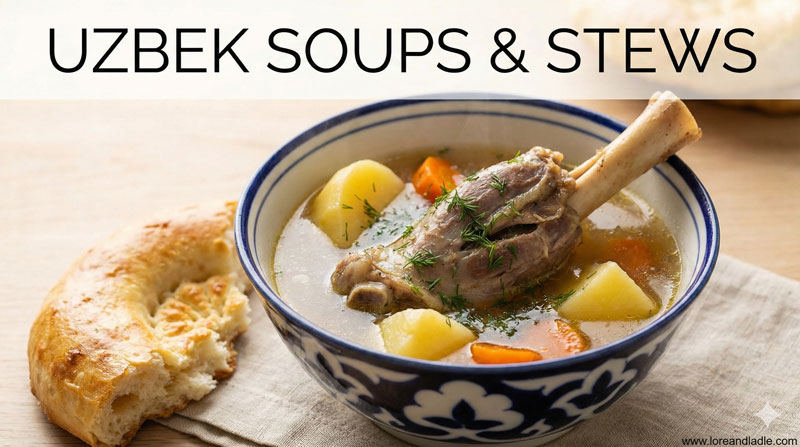
Discover Lagman: A Window into Uzbek Comfort
Lagman is more than a bowl of soup. It is a warm expression of Uzbek hospitality and a reflection of everyday life at the table. The dish blends long, silky noodles with a savory meat sauce and a colorful parade of vegetables. In Uzbek kitchens, Lagman often appears during family gatherings, festive meals, and weekend cooking. It celebrates patience, craft, and balance. Each bowl invites you to slow down, savor textures, and appreciate how simple ingredients come together to tell a story of home.
A Palette of Traditions in Uzbek Cuisine
Uzbek cooking honors seasonality, generosity, and shared meals. Lagman centers on two stars: sturdy meat and hand-prepared noodles. The broth often carries warmth from meat bones, while the sauce offers sweetness from carrots and peppers and brightness from fresh herbs. Spices are added with care, creating a harmony rather than a hot bite. This dish showcases how Uzbek cooks blend technique, time, and taste to craft something that feels both everyday and special. It is a celebration of community through food, inviting everyone to gather and enjoy.
The Noodle Craft: Noodles as a Culinary Thread
Noodles are the heart of Lagman. They can be long and silky or cut into thick, satisfying strands. The dough is made with simple ingredients—flour, water, a touch of salt, and sometimes a hint of egg. Kneaded, rested, and rolled, the noodles carry the flavor of the kitchen into every bite. When simmered in the savory base, the noodles soak up the sauce and become a comforting texture that contrasts with tender meat and crisp vegetables. The craft of noodles links generations of cooks and reminds us how technique passes from one cook to the next.
Layered Flavors and Fresh Aromatics
Lagman gains depth from a careful layering of flavors. Onions and garlic form a fragrant base, richly browned for sweetness. Peppers, tomatoes, and carrots add color and brightness. Ground or chopped meat provides body and savor. Cumin, coriander, and black pepper lend warmth, while fresh herbs such as dill or cilantro finish the bowl with a bright finish. The result is a palate that moves from savory to slightly sweet to herbaceous, always inviting another spoonful.
How to Make Lagman: A Simple Guide
- Start with a flavorful broth: simmer meat (lamb or beef) with onion, carrot, and a few bay leaves to build a gentle, comforting base.
- Prepare the sauce: sauté onions and garlic until golden, add peppers and tomatoes, then stir in spices.
- Add the meat and vegetables: return the meat to the pot, add more water or broth as needed, and let the mixture mingle until vegetables are tender.
- Cook the noodles: if you make noodles at Home, rest the dough, roll it thin, and cut into desired lengths. Alternatively, use good store-bought noodles for a quick, delicious result.
- Bring it together: lay noodles in each bowl, ladle the hot sauce with meat and vegetables over them, and finish with fresh herbs.
- Serve with warmth: offer extra pepper, herbs, or a squeeze of lemon to brighten the dish at the table.
This approach keeps Lagman approachable for Home Cooks while honoring the dish’s core identity: a hearty, well-balanced soup that delights in texture and aroma.
Serving Lagman: A Ritual of Sharing
Lagman shines when shared. Bowls are passed around, and friends dip, sip, and exchange smiles. A light crust of bread on the side often accompanies the dish, inviting dipping and more conversation. Fresh herbs on top provide a final green note and a lively aroma. The serving moment reinforces a sense of welcome and togetherness, inviting guests to linger a little longer and savor the moment.
Lagman in the Wider Culinary Tapestry
Across Central Asia, Lagman holds a respected place in daily meals and festive menus alike. Its versatility—meat choices, noodle textures, and vegetable combinations—lets families adapt the dish to their pantry and palate. The result is a timeless, evolving recipe that echoes the region’s love of nourishment, craft, and shared meals. Lagman stands as a tasty bridge between tradition and everyday life, reminding us how Comfort Food can carry culture and care from kitchen to table.
In Closing: Embrace Lagman at Home
Lagman invites you to slow down and celebrate flavor, texture, and togetherness. Its cultural value lies in the care of its components, the skill of noodle making, and the joy of sharing a hearty bowl with others. If you seek a dish that honors technique while inviting personal touch, Lagman welcomes you to a timeless kitchen ritual. Try making it at home, and savor how a single pot can carry a community’s warmth from stove to table.