
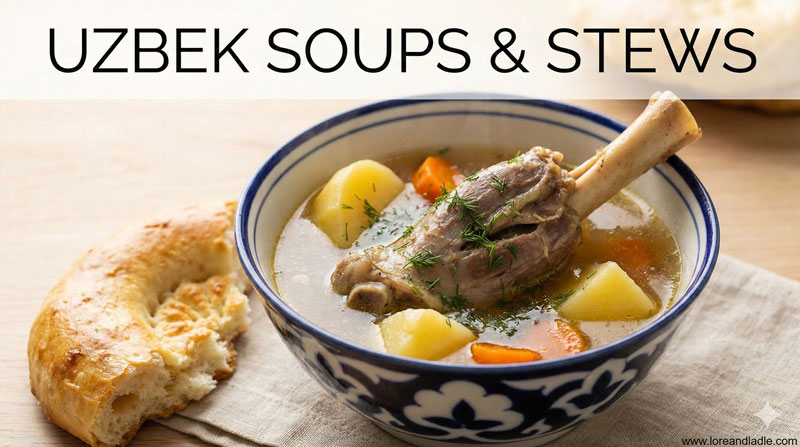
Delicious Lagman – Uzbekistani Soups & Stews Flavor You’ll Love
Lagman is more than a dish. It is a voice from the kitchens of Uzbekistan, sang by cooks who coax depth from simple ingredients. In every bowl, Lagman tells a story of harvest, family, and careful craft. This post invites you to taste a culture through its warm, comforting soup and thick, satisfying noodles. The flavor is inviting, the texture is comforting, and the experience is generous.
What Lagman Is
Lagman is a signature Uzbekistani soup and stew hybrid. It features tender meat, vegetables, and a generous portion of hand-pulled or thick cut noodles. The broth carries warming spices and a bright, fresh finish from herbs. The result is a harmonious balance: savory meat, silky noodles, crisp vegetables, and a broth that carries both depth and brightness. This dish is celebrated for its texture as much as its smell and taste. In many homes, Lagman marks a moment of sharing and careful preparation.
A Window into Uzbek Culture
In Uzbekistan, the act of preparing Lagman often becomes a social ritual. Families gather around the stove, passing bowls and stories as the pot slowly steeps. The dish invites conversation, patience, and attention to detail. It reflects an appreciation for seasonal produce, home-made noodles, and the skill of timing. Lagman embodies hospitality—the way a table is set, the warmth of spices filling the room, and the care given to every slice of onion or carrot. Sharing Lagman with friends and neighbors is a simple, generous gesture that celebrates everyday life and togetherness.
Culinary Significance: Craft and Balance
Lagman holds a unique place in Uzbek cuisine because it blends technique, flavor layering, and texture in a single recipe. The broth is not only flavorful; it is built to support and enhance the noodles. Noodles bring chew and body, while vegetables offer sweetness and brightness. Meat adds savory depth and umami. Spices such as cumin, coriander, black pepper, and garlic provide aroma and warmth. Fresh herbs like cilantro or dill add a finishing note that lifts the dish. The culinary significance lies in the way these elements are layered and timed. Each component has a purpose, and together they create a dish that feels both rustic and refined.
The Noodle Craft: Texture That Speaks
A standout feature of Lagman is the noodle work. In many regions, cooks roll and stretch dough to create long, hand-pulled strands. The noodles are more than fuel; they are a celebration of craft. They offer a distinct chew that holds up in the hot broth and absorbs the flavors around them. In other families, thicker, ribbons of noodles are used for heartier bites. Either variation centers the noodle’s role in the dish—the texture carries the meal forward and anchors the eating experience.
A Symphony of Vegetables and Meat
Lagman blends meat with a colorful array of vegetables. Typical choices include tender chunks of lamb or beef, onions, carrots, bell peppers, tomatoes, and sometimes potatoes. The vegetables provide sweetness, zest, and color, while the meat supplies depth and savoriness. The blend reflects the pantry and seasons. Fresh herbs sprinkled at the end brighten the plate and invite a lighter touch to the big flavors beneath.
Regional Variations and Family Traditions
Across Uzbekistan, Lagman adapts to regional tastes and family traditions. Some kitchens emphasize a tomato-rich broth, while others favor a pepper-forward profile. The balance of spices may shift with the season or with the cook’s memory of a favorite grandmother’s method. These variations are a celebration of local crops, climate, and the personal touch of generations of cooks. The result is a dish that feels familiar yet alive with regional nuance—a testament to how cuisine travels through time while staying rooted in home kitchens.
Serving Lagman: A Moment of Hospitality
Lagman is typically served hot, with the broth poured over the noodles and meat in a large shared bowl or plated for each person. A sprinkle of fresh herbs and a squeeze of bright seasoning brighten the dish and invite the senses to pause and savor. In many homes, Lagman is accompanied by crusty bread or flatbread. The combination of hot soup, tender noodles, and a fresh finish makes Lagman a comforting centerpiece for a meal that centers around generosity and fellowship.
Flavor Pairings and Aromatics
The aroma of Lagman comes from a careful mix of sautéed onions, garlic, and spices that bloom as the dish cooks. The herbs—cilantro and dill—offer a bright lift that contrasts with the slow-simmered meat and the richness of the noodles. This combination makes Lagman inviting to the senses before a single bite. If you wish to explore deeper layering, a touch more cumin or a hint of paprika can remind you of regional tasting traditions while keeping the dish true to its Uzbek roots.
Quick Guide to Making Lagman at Home
While Lagman can be a long, slow-cooked project in some homes, you can appreciate its essence with a practical approach:
- Start with a well-seasoned base. Sauté onions and garlic until golden, then brown your chosen meat to develop depth.
- Add vegetables in stages. Carrots, peppers, and tomatoes bring sweetness and color, while potatoes provide heartiness.
- Build the broth with stock, water, and a thoughtful mix of spices. Simmer until meat is tender and flavors meld.
- Prepare noodles that suit your preference. If you use hand-pulled noodles, treat them gently; if using store-bought noodles, add them toward the end so they don’t overcook.
- Finish with fresh herbs and a bright touch of pepper or lemon zest to lift the dish.
- Serve hot, with bread on the side, and enjoy the sense of shared nourishment.
This approach highlights the techniques that make Lagman special: layering flavors, balancing textures, and honoring the care that goes into traditional cooking.
The Enduring Appeal of Lagman
Delicious Lagman embodies a philosophy of food as a communal experience. It invites cooks to honor tradition while allowing personal touch and creativity. Its flavors are comforting without being heavy, its textures engaging without being complex. For diners, Lagman offers a generous portion of warmth, nourishment, and connection.
A Gentle Invitation to Explore
If you are curious about Uzbekistani soups and stews, Lagman provides an excellent introduction. It blends familiar techniques with distinctive regional character, creating a dish that is both approachable and richly layered. By exploring Lagman, you step into a culinary world where ingredients tell a story and every bite invites reflection on craft, family, and hospitality.
Final Thoughts
Delicious Lagman – Uzbekistani Soups & Stews Flavor You’ll Love is more than a recipe. It is a celebration of a people’s love for good food, a respect for ingredients, and the joy of sharing. Whether you savor it in a bustling kitchen or a quiet at-home meal, Lagman offers a warm welcome and a memorable taste of Uzbek culinary heritage.