
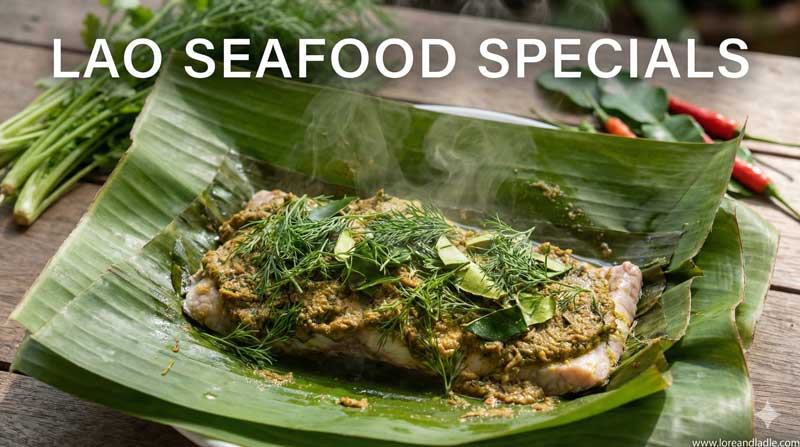
The Essence of Family-Style Lao Seafood
This article introduces a dish concept that centers around sharing: Family-Style Lao Seafood Specials to Share at the Table. It celebrates Lao culture through a plural of plates, a chorus of aromas, and the simple act of gathering to eat together. The focus is on cultural value and culinary significance, not on politics or history outside the kitchen. The result is a welcoming, respectful invitation to sample Lao flavors in a communal setting.
Shared Tables, Shared Flavors
In Lao dining, the table is a place of connection. Dishes arrive in the middle, inviting everyone to dip, pass, and taste. The family-style spread emphasizes generosity: guests receive generous portions, and everyone contributes to the rhythm of the meal. This approach showcases hospitality as a living tradition. When we sit together, we experience how aroma, texture, and balance unfold as a collective taste experience. The act of sharing makes every bite part of a larger story about place, kinship, and gratitude for good ingredients.
Key Flavors and Techniques in Lao Seafood
Lao seafood shines when bright, fresh flavors unite with careful technique. The palate often balances four core notes: sour, salty, spicy, and fragrant. Lemongrass, dill, mint, cilantro, and Thai basil bring aromatics that lift each dish. Fish sauce provides the savory backbone, while lime or tamarind adds a crisp sour brightness. Heat from chilies accents the freshness of herbs rather than overpowering it. Techniques include steaming fish wrapped in banana leaves, grilling over charcoal for a smoky edge, and gentle stir-frying with garlic and shallots. These methods honor the seafood while letting herbs and citrus sing. In a shared Lao seafood spread, these flavors interweave across dishes, inviting guests to compare contrasts and enjoy harmony on the same table.
Signature Dishes Within the Sharing Spread
A typical Lao seafood sharing menu may feature several centerpiece preparations. Steamed fish wrapped in banana leaves preserves moisture and aromas, allowing dill and lemongrass to permeate the meat. Whole grilled river fish offers juicy flesh with a crisp exterior and a kiss of smoke. Shrimp or river prawns can be bathed in a light chili-lime sauce with fresh herbs for brightness. A tangy fish salad, rich in lime juice, herbs, and a touch of toasted rice powder, adds texture and a refreshing bite. Each dish is designed to be shared, encouraging conversation and playful tasting across the table. The variety highlights technique—gentle steaming, careful grilling, and bright dressings—that together tell the story of Lao seafood cooking.
The Role of Sticky Rice and Dipping Traditions
Sticky rice is the backbone of a Lao table. It acts as both spoon and scoop, shaping how flavors are enjoyed. Guests use small bites of rice to wrap pieces of seafood, herbs, and sauces, creating compact mouthfuls of balanced taste. Mild sauces and fresh herb bowls accompany the spread, offering contrast or relief as needed. This pairing reinforces the sense of togetherness, because everyone participates in shaping each bite. The rice and dipping elements also showcase how Lao cuisine uses texture to enrich the dining experience, making a simple meal feel thoughtful and complete.
Sourcing, Seasonality, and Respect for Ingredients
Seasonal seafood and garden herbs inspire a lively, fresh menu. Local river fish, shrimp, and shellfish deliver clean flavors that pair beautifully with lemony, herbaceous notes. Fresh herbs, chilies, and citrus are chosen to reflect the moment, ensuring brightness and balance. Presenting ingredients with care—washing, trimming, and arranging them at the center of the table—shows respect for both the food and the guests. This attention to sourcing and preparation underlines the culinary philosophy behind Family-Style Lao Seafood Specials: simple ingredients, skillful handling, and shared pleasure.
Hospitality, Rituals, and Table Etiquette
Beyond the plates, this dining style embodies hospitality. Guests are welcomed with generous portions and warm service. The table becomes a ritual space where utensils, bowls, and sauces circulate with ease. Elders may guide the pace of the meal, and younger guests learn to balance conversation with quiet appreciation for the flavors. The etiquette is about inclusion: invite others to try, offer a taste to every guest, and keep the focus on savoring rather than rushing through courses. The result is a respectful, inviting environment where food becomes a bridge between people.
A Feast for the Senses: Why This Style Endures
Family-Style Lao Seafood Specials to Share at the Table endures because it celebrates community through flavor. The dishes emphasize balance, brightness, and texture, inviting diners to explore contrasts and harmonies in every bite. The experience highlights Lao culinary significance: cooking as a generous act, ingredients treated with care, and a table that welcomes all to participate. Guests leave with a sense of connection, having tasted not just seafood, but a cultural practice that honors warmth, generosity, and the beauty of dining together.
If you’re preparing or presenting a Lao seafood share to guests, emphasize the communal joy, the fresh herbs, the bright lime, and the simple, thoughtful techniques that make each plate sing. The result is a meal that feels both timeless and timely—a true celebration of Lao food culture at the table.