
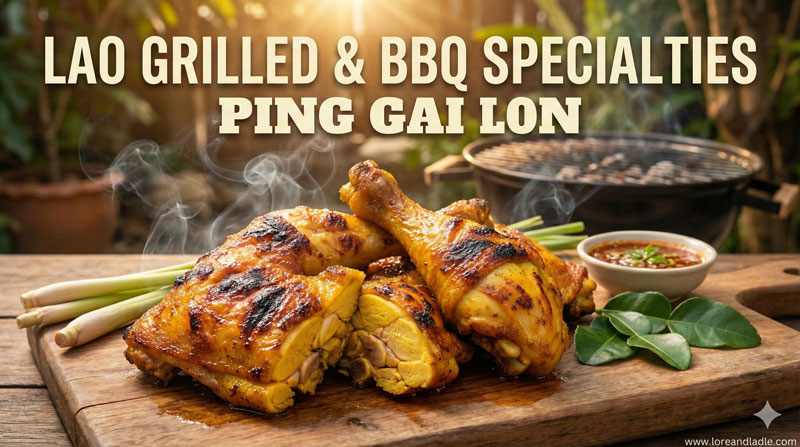
A Festival of Fire: Introduced by Lao Grilling
Restaurant-Worthy Lao Grilled & BBQ Specialties You Can Make Tonight invites readers to taste a cooking tradition that celebrates fire, aroma, and balance. Lao grilling honors simple ingredients elevated by technique, patience, and shared meals. The result is food that feels refined enough for a table at a restaurant, yet approachable enough to recreate in a home kitchen. The cultural value rests in how grilling brings people together, how it respects seasonal herbs, and how it reveals a community’s preference for bright, smoky flavors balanced by fresh greens and tangy dips.
The Heartbeat of Lao Grilling: Ingredients and Aromas
Lao grill work centers on a small handful of ingredients that carry big flavor. Fresh herbs, fragrant aromatics, and a careful blend of salty, sweet, sour, and spicy notes define the profile. Think lemongrass, garlic, shallots, cilantro, mint, and dill offset by fish sauce and lime juice. Green onions and kaffir lime leaves brighten the grill with citrusy perfume. A powder of roasted rice or toasted sesame seeds can add a delicate, nutty finish. These elements travel from market stall to grill grate and finally to the plate, preserving the region’s love of crisp textures and juicy bites.
Key ingredients for Lao grilled dishes:
– Meat or seafood: pork, chicken, or beef; skewered or formed into small loaves
– Marinade liquids: fish sauce, soy sauce, lime juice, a touch of sugar
– Aromatics: garlic, lemongrass, shallots, cilantro roots
– Fresh greens: mint, cilantro, scallions
– Dips and condiments: jeow (fermented chili or herb dips) to brighten each bite
Techniques That Elevate Home Grilling to Restaurant Quality
To translate what you might taste in a Lao grill house into your own kitchen, focus on technique as much as on ingredients. A steady, moderate flame yields juicier meat and richer smoky notes. Resting meat after grilling keeps it tender and juicy. Proper skewering lets heat reach the center evenly, while a light glaze or basting sauce deepens flavor without overpowering the herb brightness.
Practical steps for Home Cooks:
– Pre-soak wooden skewers, then arrange meat in a tidy, evenly sized bundle for uniform cooking.
– Use charcoal or a hot grill to develop a clean, smoky aroma; finish with a quick direct grill to sear.
– Create a simple marinade of fish sauce, lime juice, garlic, and a trace of sugar, then marinate for 30–60 minutes to let the flavors meld.
– Plate with fresh herbs and a bright jeow dip to balance grilled richness.
Iconic Lao Dishes in the Grill Night Lineup
Several dishes stand out as “restaurant-worthy” examples of Lao grilling, yet remain comfortable for weeknight dinners:
– Muu Ping: pork skewers with garlic, cilantro root, and a subtly sweet glaze. They are tender, smoky, and perfect with sticky rice.
– Sai Oua: Lao sausage packed with lemongrass, kaffir lime, chili, and herbs. The texture is lively, and the herbaceous bite is unmistakably Lao.
– Gai Ping: grilled chicken with a citrus-herb perfume. The crisp exterior and juicy interior showcase balance and restraint.
These dishes embody Lao culinary logic: bright acidity, herbal brightness, and a smoky backbone that unites all flavors on the plate.
Pairings, Plating, and the Shared Table
A Lao grill night shines when presented with simplicity and color. Place skewers on a warm platter beside small bowls of jeow dips and a mound of fluffy sticky rice. Fresh herbs sprinkled on top spark aromatics just before tasting. The cultural value here is communal eating—sharing bites, comparing flavors, and enjoying the conversation that flows around a grill.
A Home Cook’s Path to Culinary Depth
To make Restaurant-Worthy Lao Grilled & BBQ Specialties You Can Make Tonight, start with a short, flavorful marinade, a reliable grilling method, and a bright, complementary dip. Practice the timing on small portions to understand how long each piece needs on the grill. With care, your kitchen can echo the warmth and complexity of Lao grill nights, reminding us that great food arises from thoughtful technique, vibrant ingredients, and the joy of sharing meals with others.