
Introduction
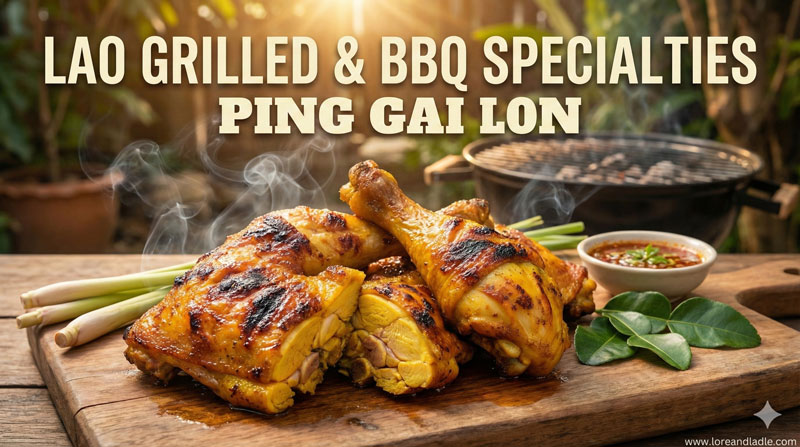
Simple Yet Flavorful Lao Grilled & BBQ Specialties for Any Night invites readers into a kitchen where fire, herbs, and shared moments come together. This dish title signals a versatile approach to Lao grilling that fits weekday dinners and weekend gatherings alike. The flavors are approachable, yet deeply rooted in a tradition that values balance, freshness, and communal delight. In this post, we explore the cultural value and culinary significance of these Lao grilled preparations, showing how a simple grill can tell a rich story about food, family, and place.
A Window into Lao Grilled Traditions
Lao grilling has long stood at the heart of everyday life. People gather around charcoal, waiting for the first sizzle to tell them the meal will soon be ready. The open flame brings out sweetness in meat and vegetables, while herbs brighten and lift each bite. These practices emphasize quiet patience and joyful sharing. Markets, family kitchens, and roadside stalls all celebrate similar techniques, creating a shared language of smoke, heat, and spice. Therefore, the dish becomes more than sustenance; it becomes a communal ritual that marks occasions big and small.
Core Flavors and Ingredients
The culinary heartbeat of Lao grilled dishes lies in balance. Savory notes from fish sauce or salt, bright acidity from lime or sharp herbs, and a touch of sweetness from sugar or fruit combine with heat. Lemongrass, garlic, and shallots lend fragrant depth, while herbs like dill, mint, and cilantro offer fresh brightness. Marinades often pair these ingredients with meat or seafood and a splash of lime juice to wake the palate. Dips and sauces, known in Lao cuisine as jeow, add a peppery or tangy counterpoint that invites dipping and scooping. In short, the core flavors celebrate harmony: bold yet refined, spicy yet balanced, hearty yet fresh.
Techniques that Elevate the Grill
Technique matters as much as ingredients. Marinades are typically simple, but time and handling make the difference. A short marination brings out aroma without dulling the meat’s natural character, while a longer soak can intensify herbal notes. Skewering is common, allowing even exposure to heat and making portions easy to share. Grilling over charcoal adds a smoky nuance that is essential to this style. The best cooks manage heat carefully, turning pieces to achieve even caramelization. Resting meat briefly after grilling helps retain juices, ensuring tenderness that complements the crisp edge from the grill. These steps collectively raise everyday grilling to a refined culinary practice.
Signature Dishes within the Style
Moo ping, or grilled pork skewers, are a familiar face in Lao street scenes and Family Dinners. They exemplify the simple-to-make philosophy: few ingredients, clear technique, big impact. Sausage variants, such as sai oua, highlight aromatic herbs and peppery spice, offering another lens on Lao grilling craft. While these dishes share the same foundation—smoke, heat, and bright herbs—their regional twists reflect local markets, family preferences, and seasonal produce. The overarching style remains consistent: confident flavors built on fresh ingredients and thoughtful preparation, presented in a way that invites communal eating and sharing.
Serving, Pairings, and Social Value
These grilled specialties shine when served with sticky rice, a staple that anchors Lao meals. A plate of grilled items is often accompanied by a bright jeow and crisp vegetables, creating a colorful, balanced platter. Sharing is central: everyone helps themselves, passes the plate, and compliments the cook. The social value lies in the act of gathering—neighbors, friends, and family joining in, tasting, and appreciating the careful balance of flavors. Even the rhythm of the meal—the way skewers are plucked, bowls are passed, and sauces are dabbed—speaks to Lao hospitality. In this way, the dish functions as a cultural glue, reinforcing connection through food.
Crafting at Home: Tips and Best Practices
To honor the dish’s cultural value at Home, keep the process approachable and mindful:
– Start with a simple marinade: garlic, shallots, lemongrass, fish sauce, lime, and a touch of sugar.
– Choose meat or seafood that benefits from quick, hot grilling for tenderness.
– Use a moderate grill setup with steady heat to achieve even caramelization.
– Prepare a bright jeow or dipping sauce to provide contrast and balance.
– Serve with sticky rice and fresh herbs for contrast in texture and aroma.
– Involve family or friends in the preparation to emphasize the social spirit.
These steps help recreate the essence of Lao grilling: flavor, balance, and communal joy, even away from a bustling market or a family kitchen.
Cultural Significance and Everyday Beauty
Beyond taste, these Lao grilled specialties embody a daily celebration of place and practice. The ingredients often reflect local markets, seasonal produce, and neighborhood traditions. Cooking over fire connects generations, as elders share tips on timing, heat control, and herb selection with younger cooks. The dishes honor a craft that respects both the land and the people who grow, catch, and prepare the food. In this light, the grill becomes a studio where memory, place, and technique converge, producing meals that feel familiar and uplifting at once.
Conclusion
Simple Yet Flavorful Lao Grilled & BBQ Specialties for Any Night offer a graceful entry point into Lao food culture. They teach us how simple components can become a meaningful feast when prepared with care and shared with others. The flavors celebrate harmony—savory depth, herbal brightness, and smoky warmth—while the ritual of grilling reinforces community and hospitality. Whether you are cooking for a quiet weeknight or a festive gathering, these dishes invite you to slow down, savor the moment, and honor the beauty of Lao culinary craft.