
Introduction
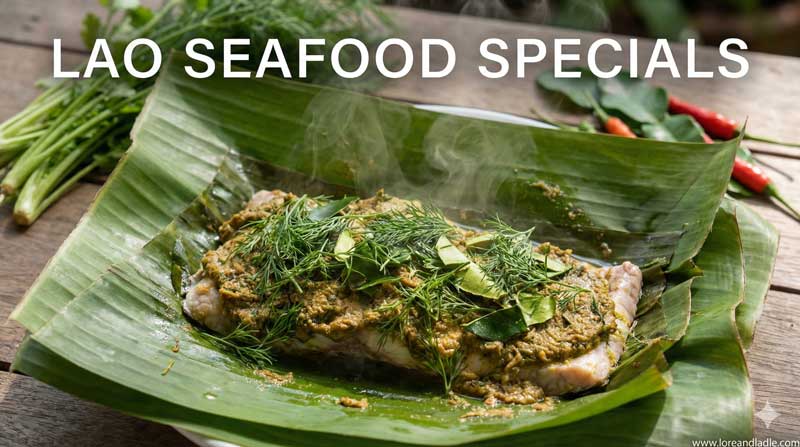
Simple Weeknight Lao Seafood Specials with Minimal Ingredients is a bright example of how Lao flavors can shine with ease. This dish invites the home cook to celebrate freshness, balance, and speed. It centers on seafood, a quick simmer, and a handful of bright seasonings. The result feels celebratory, even on a busy weeknight. Importantly, the dish reveals how Lao cooking honors the land and river that feed communities. It is warm, inviting, and deeply respectful of everyday life.
What Makes It Lao
Lao cuisine often values harmony among sour, salty, spicy, and herbal notes. This dish embodies that balance with a few well-chosen ingredients. The seafood provides clean, ocean-fresh flavor. Lime or lime juice adds brightness and a touch of tang. Fish sauce delivers umami and depth. Fresh herbs and chilies bring aroma and heat. The combination feels true to Lao sensibilities: simple components, precise seasoning, and a clear respect for the ingredient you began with. Even with minimal ingredients, the plate speaks with character and balance. That clarity is a hallmark of Lao home cooking.
Core Ingredients and Technique
The beauty of this dish lies in its focus. A small number of ingredients creates a generous taste. Fresh seafood anchors the recipe. A squeeze of lime brightens every bite. Fish sauce seasons with a clean, savory note. Fresh chilies offer brightness and warmth. A touch of garlic or lemongrass can deepen aroma without muddling the dish. The technique is straightforward: heat, briefly cook the seafood, then finish with the aromatic and acidic accents. This approach allows the flavors to stay distinct. It also means home cooks can prepare a satisfying meal quickly. The method invites daily repetition, turning a simple routine into a comforting ritual.
Cultural Value and Culinary Significance
In Lao dining, meals are often about connection. A weeknight dish like this supports family time, conversation, and a shared sense of place. The recipe showcases how Lao cooks celebrate fresh markets and seasonal seafood. It honors the river and coast by letting seafood shine with minimal adornment. The dish also highlights the Lao skill of balancing flavors with restraint. When you adjust a lime squeeze or a splash of fish sauce, you are practicing a nuanced art. Finally, the dish echoes the Lao tradition of adaptable cooking. If a pantry item is missing, you can still create a rewarding plate by substituting with what is available. This adaptability is a quiet strength in daily Lao food culture. In social terms, a simple meal like this fosters warmth, hospitality, and gentle conversation around the table.
Supporting Aromatics and Regional Touches
Fresh herbs add essential fragrance. Cilantro, Thai basil, or mint can elevate the dish with green brightness. Lemongrass or a whisper of galangal hints at regional diversity without overpowering the core flavors. A hint of palm sugar or a splash of sugar can balance acidity if desired, echoing the Lao habit of gentle sweetness. These aromatic choices reflect how Lao cooks adapt to markets and seasons. They also honor the land and water that provide the ingredients. By embracing these aromatics, the dish remains vibrant, light on the palate, and true to its roots.
Weeknight Accessibility and Practicality
The dish is designed for Busy evenings. It uses a small pan or a single skillet. It cooks quickly, so you can serve a fresh, flavorful meal in under 20 minutes. The format fits family routines, student schedules, and shared homes. With minimal prep, you still gain depth of flavor. This accessibility reinforces culture by making good, thoughtful cooking possible for more people. In turn, that practice strengthens daily connections around food. The result is not just a meal, but a comforting routine that anchors evenings.
Serving, Accompaniments, and Table Feel
Rice is a natural partner for this dish, especially sticky rice. The rice helps absorb the sauce and carry bold flavors across each bite. Fresh herbs sprinkled on top lift the aroma and add a bright finish. A simple cucumber salad or sliced vegetables can provide a crisp counterpoint. If available, a light dipping sauce or a small chili-lish oil can accompany the plate. The overall table experience remains modest yet elegant. It invites everyone to gather, savor, and share stories from the day.
Variations and Personal Touches
You can tailor this dish to your pantry while preserving its core spirit. Try using different seafood cuts such as shrimp, scallops, or firm white fish. Each option keeps the dish approachable while adding a new texture. Experiment with herbs you love, such as Thai basil or mint, to shift the aroma. A touch of citrus zest can brighten the flavors further. If you like a warmer bite, add a pinches of fresh chilies. These variations underscore the dish’s versatility and its place in daily Lao cooking. They also encourage home cooks to make the recipe their own while honoring tradition.
Cultural Reflection and Culinary Significance
This dish demonstrates how Lao cuisine values taste clarity and time efficiency. It respects the generosity of seafood and the generosity of the home cook. The concise ingredient list is a study in restraint, yet the finish feels complete and satisfying. In that sense, the dish serves as a lens into Lao food culture: calm, confident, and deeply practical. It celebrates everyday life and the joy of sharing a well-made meal with loved ones. As a result, it stands as a small but meaningful contribution to the broader tapestry of Lao culinary practice.
Practical Tips for Success
- Use fresh seafood for the cleanest flavor. If you must thaw, do so gently in the refrigerator.
- Taste as you cook. Adjust lime juice and fish sauce in small increments to reach balance.
- Keep heat moderate to avoid overcooking seafood and to preserve delicate aromas.
- Finish with fresh herbs just before serving to preserve brightness.
- Pair with steamed or sticky rice to soak up the sauce and add texture.
Conclusion
Simple Weeknight Lao Seafood Specials with Minimal Ingredients offers a luminous window into Lao culinary culture. It proves that a modest ingredient set can yield remarkable depth and aroma. The dish honors the river, the markets, and the family table. It invites cooks to celebrate freshness, balance, and efficiency without sacrificing soul. In short, this is more than a meal; it is a gentle reminder of how culture thrives in everyday cooking.