
Introduction
This post celebrates a delicious idea: turning leftovers into next-day loroco and cheese pupusas from El Salvador. The dish is more than a tasty meal; it embodies a Love for craft, balance, and shared moments around the stove. In Salvadoran cuisine, pupusas stand as a confident, comforting staple. They invite creativity with Simple ingredients and a respectful nod to tradition. Here, we explore the culinary value and cultural significance of this practice, inviting you to savor both the taste and the story behind it.
A Dish with Deep Roots
Pupusas are iconic in El Salvador. They are round pockets of warm masa that welcome fillings with personality. Loroco, a native flowering vine, adds a fragrant, green note that complements melted cheese with a gentle, savory lift. The combination of loroco and cheese feels bright and comforting at once. Making pupusas from leftovers honors the idea that good ingredients deserve a second life, a quiet craft that speaks to frugality and care. The act of turning yesterday’s meal into today’s pupusa becomes a small celebration of Home Cooking—steady, reassuring, and inviting.
Loroco and Cheese: A Flavor Pairing
Loroco brings an earthy aroma and a distinct, soft texture that pairs beautifully with mild, melty cheese. When folded into masa, the filling becomes a harmony of subtle flavors and satisfying bite. The cheese acts as a gentle glue, binding the pocket while remaining creamy inside. This pairing is a hallmark of Salvadoran flavors: approachable, comforting, and deeply grounded in local produce. Together, they create a filling that feels both rustic and refined, ideal for nourishing a family or sharing with friends.
Leftovers as a Gift: Reimagining with Masa
Repurposing leftovers into pupusas celebrates practical creativity. The masa dough, made from corn, welcomes a wide range of fillings, and leftovers can be folded in with care to preserve texture and brightness. The process emphasizes balance: enough filling to flavor the masa, but not so much that the pupusa tears. The result is a satisfying contrast between the slightly crisp exterior and the soft, flavorful center. In this practice, nourishment becomes a dialogue between what was and what can be enjoyed anew.
The Craft of Pupusa Making
The craft centers on patience and attention. Begin with well-warmed masa, then shape gentle discs. Place a measured filling inside, seal the edges, and flatten carefully. On a hot griddle, the pupusas develop a delicate crust while staying tender inside. The aroma rises, inviting conversation and appreciation. This is a hands-on ritual that honors technique and timing, rewarding those who take the time to perfect the balance between outside crunch and inside melt.
A Social Staple: Pupusas in Salvadoran Life
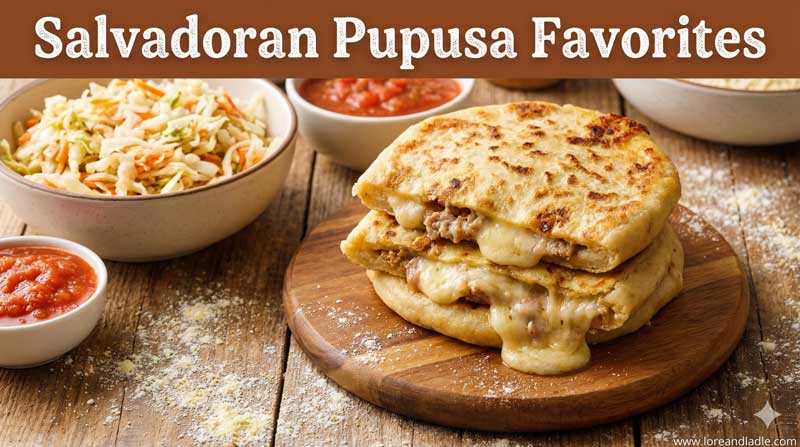
Pupusas are closely tied to daily life and community. They appear in markets, home kitchens, and festive gatherings. They are commonly enjoyed with curtido, a bright cabbage slaw, and a tangy tomato salsa. Sharing pupusas invites connection—laughter, stories, and a sense of belonging. The practice of making them from leftovers adds an extra layer of warmth: it shows generosity toward ingredients and toward the people who share the meal. The beauty of this dish lies in its accessibility and its ability to bring people together around a simple, flavorful bite.
Savor and Serve: Curtido, Salsa, and More
To complete the experience, pair pupusas with curtido and a fresh salsa. Curtido provides crisp acidity that cleanly cuts the richness of the cheese, while the salsa adds brightness. The combination enhances the loroco’s aroma and the masa’s comforting texture. Serving pupusas hot preserves the fusion of softness and snap in every bite. This balance—ingredient quality, thoughtful technique, and inviting accompaniments—highlights the culinary craft at the heart of Salvadoran food culture.
Embracing the Culinary Heritage
In embracing leftovers turned pupusas, we celebrate a culinary practice that values resourcefulness, flavor, and shared meals. The next-day version keeps the spirit of generosity alive, offering a comforting, stylish way to enjoy Loroco and cheese together. As you cook, you honor a tradition that welcomes creativity while remaining true to the essence of Salvadoran cuisine. This dish shows how ordinary ingredients can become extraordinary through care, technique, and communal joy.