
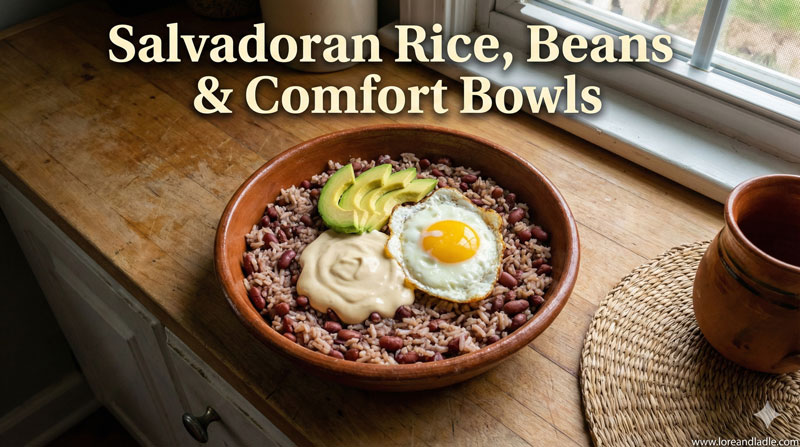
Welcome to a lightened, one-pot Salvadoran staple
This post explores Simple Ingredient Swaps to Lighten Up one-pot Salvadoran chicken and rice bowls. It celebrates how a humble pot of seasoned chicken and rice can carry deep cultural value and culinary significance. You’ll discover how thoughtful substitutions keep the dish approachable, vibrant, and true to its roots.
The cultural value of this one-pot dish
In Salvadoran homes, meals like chicken and rice bowls are common threads that connect families around the table. They reflect resourcefulness, warmth, and shared time in the kitchen. The dish blends everyday ingredients with bright seasonings, turning simple ingredients into a comforting, nourishing meal. It invites care—measured in the way aromatics are sautéed, rice is gently simmered, and herbs finish the dish. Across households, this one-pot preparation embodies balance: it nourishes the body while honoring tradition and the joy of gathering.
The culinary significance at a glance
The flavor profile centers on a harmonious trio: savory chicken, tender rice, and a bright, tomato-herb base. Aromatics like onion, garlic, and bell pepper create a foundation that echoes street kitchens and family dinners alike. A touch of annatto or paprika gives color and warmth without overpowering the dish. Fresh cilantro and a squeeze of lime lift the flavors, a hallmark of Salvadoran comfort cooking. The one-pot method locks in steam and flavor, producing a cohesive bowl where every bite feels connected to home. This approach highlights practical technique, seasonal ingredients, and the artistry of layering flavors with restraint.
Simple ingredient swaps to lighten up
- Proteins: choose skinless chicken thighs or breasts to reduce fat. If you prefer leaner options, trim visible fat and use roughly equal parts chicken and vegetables.
- Oil and sautéing: use just a light spray or 1 teaspoon of oil for sautéing aromatics, or water sauté for a crisp-start flavor.
- Rice choice: swap white rice for brown rice or use a 50/50 mix of white and brown for added fiber and nuttier depth. For a lighter route, consider cauliflower rice as a noble accompaniment or partial substitution.
- Stock and seasoning: opt for low-sodium chicken stock or broth. Rely on the aromatics and a squeeze of lime rather than heavy salt.
- Vegetables: bulk up with more vegetables—peppers, carrots, peas, zucchini, or corn. They add color, texture, and nutrition without heavy sauces.
- Tomato base: use crushed tomatoes or a light tomato sauce with no added sugar, letting the natural brightness shine through with lime and cilantro.
- Herbs and brightness: finish with fresh cilantro and a generous lime wedge to brighten the bowl instead of relying on extra fats.
- Dairy tweaks: if the recipe ever calls for a dairy touch, keep it optional and light (a small dollop of yogurt as a garnish) to preserve balance without heaviness.
- Garnishes: add sliced avocado or a handful of chopped green onion for freshness and creaminess without turning the dish heavy.
- Salt management: season in stages—layer salt gradually, tasting as you go to keep flavors clear and bright.
Techniques that preserve heart and flavor
- Build flavor in layers: start by sautéing onions, garlic, and peppers until they smell inviting.
- Toast the rice lightly: a quick toast in a hot pan adds nuttiness that strengthens the dish even when lighter.
- Brown the chicken: a brief sear before simmering helps deepen flavor without needing extra fat.
- Gentle simmer: add stock, tomato base, and herbs, then cover and simmer until the rice absorbs liquid and becomes tender.
- Resting time: let the bowl rest a moment after the heat is off; steam settles and flavors mellow, making every bite cohesive.
- Fresh finish: finish with cilantro and lime for balance and a lively aroma.
The one-pot method in practice
- Start with a quick, light sauté of onion, garlic, and bell pepper.
- Add the chicken and brown lightly for flavor. Remove briefly if needed.
- Stir in rice, tomato base, and stock. Return the chicken, then simmer with a gentle lid to keep the grains tender.
- Fold in vegetables partway through cooking so they stay crisp and colorful.
- Finish with fresh cilantro and lime. Serve in bowls that invite sharing.
Cultural notes and seasonal contact with ingredients
Salvadoran kitchens reflect the rhythm of the market and the seasons. Fresh herbs travel quickly from stalls to the pot, and cooks adapt their one-pot Salvadoran chicken and rice bowls to what’s available. This flexibility showcases respect for local produce, a key element of the dish’s culinary identity. The dish also partners well with simple accompaniments like a crisp salad, a wedge of lime, or a fresh avocado slice, echoing how families tailor meals to the day and the pantry.
Why this approach feels timeless and inviting
The appeal lies in how a single pot can carry memory, flavor, and technique without complicating the process. Simple ingredient swaps make the dish lighter without sacrificing essence. The result is a meal that remains faithful to its comforting roots while inviting new cooks to participate. Each bowl becomes a shared moment—a thread that ties home kitchens with market stalls, friends with family, and simple ingredients with rich taste.
Final reflections: celebrating the dish’s place in food culture
Simple Ingredient Swaps to Lighten Up one-pot Salvadoran chicken and rice bowls honor both practicality and poetry. It respects tradition by preserving core flavors and textures, while it welcomes lighter choices that suit modern kitchens. The dish stands as a testament to thoughtful cooking: letting fresh produce, careful technique, and mindful seasoning illuminate every bite. In this way, the dish remains a warm, accessible staple—an invitation to savor culture, skill, and the joy of a well-made bowl.