
Lontong Sayur: An Authentic Indonesian Classic to Try in the U.S.
Lontong Sayur bring a gentle, inviting energy to the table. The dish pairs soft rice cakes with a fragrant coconut vegetable curry. It highlights Indonesian culinary values of balance, variety, and shared meals. in the U.S., it can be a warm introduction to a beloved kitchen tradition.
What is Lontong Sayur?
Lontong Sayur is a comforting assembly. It starts with lontong, cylinders of compressed rice wrapped in a banana leaf and boiled until tender. The rice is joined by sayur lodeh, a coconut milk-based vegetable curry that often features green beans, cabbage, carrots, corn, and chayote. The plate is completed with toppings such as boiled eggs, fried tofu, tempeh, and sometimes crackers for a crisp contrast. The result is a harmonious mix of soft, creamy, and crisp textures with a gentle balance of savory and slightly sweet notes.
Cultural Value and Shared Meals
This dish is built for sharing. Families gather around a common plate or a shared bowl, and everyone savors a little of each element. The preparation and presentation encourage conversation, patience, and care in the kitchen. Lontong Sayur often graces weekend breakfasts, festive meals, and special family gatherings, where colors, aromas, and textures invite eyes and palates to pause and appreciate. Its simplicity carries a quiet dignity, while the layers of flavor reward those who take time to explore them.
Culinary Significance and Flavor Profile
The flavor is warm and nuanced. Coconut milk lends richness, while turmeric and other spices add depth and color. Lemongrass, garlic, and shallots bring brightness, and the vegetables offer texture and freshness. The lontong provides a gentle, chewy counterpoint to the creamy curry. When paired with eggs and fried toppings, the dish becomes a comforting balance of soft and crisp, mild and bright. This combination showcases how Indonesian cooking often centers on harmony among ingredients.
The Craft: Ingredients and Techniques
Making lontong begins with rice cooked and pressed into shape, then wrapped and boiled to set into firm cakes. Sayur lodeh simmers coconut milk with vegetables until they glow with fragrance. Crisp elements like fried tofu or tempeh are added for texture. A final touch of peanut sauce or a light garnish can tune the dish to personal taste. The technique honors simple ingredients and careful timing, producing a plate that feels thoughtful and complete.
Plating and Sensory Experience
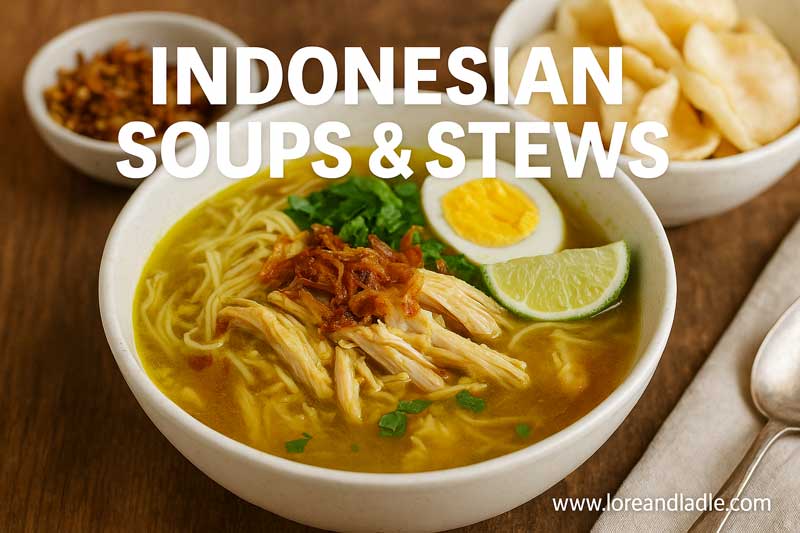
A well-arranged plate invites the senses. The pale rounds of lontong sit beside a vivid pool of vegetable curry. The boiled eggs, tofu, and tempeh offer color and bite, while a sprinkle of fried shallots adds aroma. The dish invites gentle mixing, letting flavors mingle as you eat. It is as much about the eye as the palate, with a calm, comforting presentation.
Bringing Lontong Sayur to the U.S.
In the United States, you can find lontong sayur in Indonesian restaurants and markets that explore regional flavors. If you make it at Home, seek lontong or the closest substitute in the aisle to replicate the texture. Look for sayur lodeh ingredients in the produce and canned coconut milk sections. Fresh herbs and chilies can adjust brightness and heat to your preference. Above all, approach the dish with curiosity and appreciation for its careful balance of ingredients.
A Thoughtful Celebration of Indonesian Flavor
Lontong Sayur stands as a lovely example of Indonesian culinary culture. It celebrates balance, variety, and the joy of shared meals. The dish invites cooks and diners to slow down, savor textures, and honor the care that goes into a well-made plate. In the U.S., it offers a welcoming doorway to a rich kitchen tradition, inviting new visitors to explore with respect and delight.