
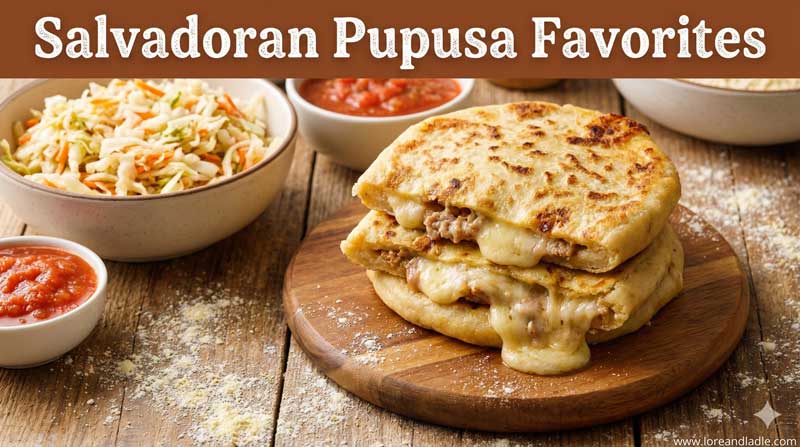
From El Salvador to Your Kitchen: loroco and cheese pupusas
Walking into a Salvadoran kitchen, you often hear the soft crackle of a hot comal and the hum of conversation. In that warm rhythm, loroco and cheese pupusas arrive as a celebration of craft, tradition, and bright, comforting flavor. This dish is more than a meal; it is a bridge between place, hands, and memory. The dough holds a quiet dignity, the filling carries a floral brightness, and the result tastes like a story told in bites. For many households, pupusas mark gatherings, weekends, and simple moments that feel complete when shared.
The beauty of loroco and cheese pupusas lies in balance. The masa provides a tender yet sturdy shell, the loroco adds a green, delicate aroma, and the cheese melts into a savory center. Each bite offers contrast—crisp edges with a soft, steaming interior. The experience invites savoring slowly and appreciating the skill behind a single, well-made pupusa. In a busy world, these rounds remind us that nourishment can be crafted with care, patience, and joy. They stand as a tribute to the way food can anchor a culture in daily life and elevate a family meal into something restorative and joyful.
This post invites you to see the dish not only as a meal but as a cultural craft. You’ll discover how ingredients, technique, and shared practice cooperate to create a compelling culinary signature. You’ll also glimpse how a simple patty of corn dough can carry a bright floral note and a soft cheese core. The result is a humble dish that invites curiosity, gratitude, and a sense of place. Read on to explore the heart of loroco and cheese pupusas and the role they play in Salvadoran food culture.
Loroco: A Floral Gem of Salvadoran Cuisine
Loroco is the star ingredient that breathes a distinct character into these pupusas. The tiny green flower buds offer a gentle fragrance, a hint of sweetness, and a subtle herbaceous note. They grow across the region, thriving in warm sun and nourishing soil, and they have become a cherished element in Central American cooking. When chopped finely and blended with the right cheese, loroco adds depth without overpowering the soft corn dough.
The flower brings brightness to the filling, enhancing the overall harmony of the dish. It does not dominate; it elevates. In pupusas, loroco’s floral aroma mingles with a salty, melty cheese so the bite feels both familiar and newly fragrant. The result is a comforting sensory moment—soft, savory, and lightly floral all at once. In this way, loroco helps define the soul of the pupusa, giving it a signature note that diners remember long after the meal ends.
The Filling: Loroco and Cheese
The classic pairing of loroco with cheese rests on a simple balance. The cheese provides a gentle saltiness and a smooth melt that carries the filling through the dough. The loroco contributes aroma, texture, and a fresh edge that brightens the richness. Together, they create a filling that feels luxurious without fuss.
Choosing the right cheese matters. A firm, melt-ready cheese works best, one that softens beautifully when warm but keeps its shape at the center. In Salvadoran kitchens, cooks often favor cheeses that melt evenly and lend a slight tang. The result is a center that stays cohesive as you bite through the crust, giving a satisfying, cohesive mouthfeel. When the loroco and cheese meld, they create a core that is creamy, lightly tangy, and gently floral. The overall effect is balanced, inviting, and deeply satisfying.
Dough and Technique: The Heart of the Pupusa
The masa dough is the canvas for this dish. Made from finely ground corn, it is kneaded to a pliable, elastic texture. The right moisture level is key, so the dough holds together but remains tender on the bite. Each pupusa starts as a small ball of dough, pressed flat with the filling tucked inside, then sealed and shaped into a thick disk. The art lies in achieving an even thickness and a secure seal so the filling stays centered during cooking.
Cooking happens on a hot, flat griddle or comal. The pupussa is placed on the surface and cooked until the bottom is lightly browned. Then it’s flipped and pressed gently to ensure a uniform crust. The outside should be crisp but not hard, while the interior remains soft and warmly steamed. A well-made pupusa reveals the skill of the maker: balance between dough and filling, even browning, and careful handling to prevent tearing.
Technique matters because it preserves the dish’s integrity in every bite. When the masa sings with a faint crackle at the edges and gives to a gentle bite, you know care was taken. A great pupusa feels crafted, not hurried; it speaks to the patience and practice behind the craft.
Cultural Value: Sharing, Craft, and Everyday Joy
Pupusas embody a spirit of sharing. They are widely enjoyed at family meals, Weekend Gatherings, and casual street stalls, where the aroma of freshly made pupusas draws neighbors and friends close. The process of making them—mixing masa, preparing loroco, layering cheese, shaping each disk, and cooking them to order—becomes a social ritual. Families pass down tips, timing, and preferences through generations, keeping the method alive and personal.
In this sense, the dish is more than sustenance. It is a daily ritual of hospitality. A plate of loroco and cheese pupusas invites conversation, laughter, and connection. It is easy to tailor the experience: offer curtido, a bright pickled slaw, to introduce a tart counterpoint; or serve salsa roja for a gentle kick. The meal becomes a shared ritual, a moment of pause that honors tradition and community.
Culinary significance also shines through the versatility of pupusas. They adapt to seasons and preferences, while maintaining core identity. They remind us how regional flavors can travel with respect and curiosity, inviting new readers to discover the dish and appreciate its craftsmanship. The result is a dish that feels both intimate and universal—a small, fragrant packet of culture that travels from kitchens to tables with ease.
Enjoying and Making Them at Home
If you’d like to bring loroco and cheese pupusas into your own kitchen, start with the basics. Gather fine corn masa, fresh loroco, and a melt-friendly cheese. You’ll need a hot, flat surface to cook on and a spatula that lets you press gently without tearing the dough. Here are practical steps to guide you:
- Prepare the filling: finely chop loroco and mix with shredded cheese until evenly combined.
- Portion the dough: roll small balls of masa, then press them into shallow disks.
- Add filling: place a spoonful of the loroco-cheese mixture in the center of each disk.
- Seal and shape: bring the edges up around the filling, pinch closed, and flatten into a thick round.
- Cook: heat a seasoned comal, place pupusas on the surface, and cook until the bottom is golden. Flip and cook the other side until evenly crisp.
- Serve: accompany with curtido and a light tomato sauce if you like. A fresh salsa can brighten the floral notes.
Tip: if the dough feels too dry, mist a tiny amount of water and gently knead to restore pliability. If it’s too sticky, dust lightly with masa. The goal is a dough that holds its shape without cracking.
This simple approach invites experimentation. You may adjust the ratio of loroco to cheese, or try different cheeses that melt well. Each variation still honors the central idea: a corn-based shell, a fragrant filling, and a warm, satisfying bite.
A Taste of Salvadoran Hospitality
As you savor loroco and cheese pupusas, you taste more than flavor—you taste a culture that cherishes craft, warmth, and togetherness. The dish invites you to slow down, to observe how a few ingredients can carry a big sense of place, and to celebrate the everyday beauty of home cooking. In every bite, there is a story of careful preparation, of flavors refined by patience, and of shared meals that make ordinary days feel special. The pupusa is a small vessel of culture, filled with the promise of nourishment, community, and joy.
If you try this dish, you may find that the experience extends beyond taste. It becomes a doorway to understanding how simple foods can unify people, how a careful hand and a thoughtful palate can elevate humble ingredients, and how tradition can stay fresh by inviting new cooks to participate. From El Salvador to your kitchen, loroco and cheese pupusas offer a warm invitation: to explore, to savor, and to celebrate the beauty of food as a living, evolving craft.