
Introduction
Loroco and cheese pupusas from El Salvador stand as a bright, comforting emblem of Central American comfort food. This dish blends a soft, warm corn masa with a fragrant loroco flower and melted cheese, all pressed on a hot griddle. In restaurants across the United States, these pupusas offer a window into a rich culinary tradition. They invite curiosity, then reward it with texture, aroma, and a balance of simple flavors that feel both rustic and refined. Whether you are trying a pupusa for the first time or are returning to a familiar favorite, this guide celebrates the cultural value and culinary significance of loroco and cheese pupusas.
The Loroco: Fragrance, Texture, and Story
Loroco is a delicate green flower bud with a slightly herbal, floral aroma. It grows on a climbing vine native to Central America and Mexico, and it has long been a treasured ingredient in Salvadoran cooking. When chopped and folded into masa with cheese, loroco adds a gentle, savory depth. Its flavor sits between earthy greens and mild nutty notes, never overpowering the cheese. The result is a filling that feels bright and comforting at once. In practice, loroco elevates a simple pupusa into something distinctly Salvadoran, inviting the senses to explore a familiar, comforting landscape of aroma and taste.
Pupusas: Craft, Core, and Comfort
Pupusas are more than a dish; they are a craft. The masa is usually made from ground corn, cooked and kneaded until smooth. The baker’s touch comes through when the dough is portioned into discs, filled, and sealed by hand. When the packet of masa meets a hot griddle, the exterior forms a delicate crust while the interior stays tender and moist. Cheese provides a luscious melt, and loroco adds a fragrant leafiness that brightens every bite. The combination of soft dough, molten cheese, and the gentle bite of loroco creates a moment of sonic and sensory balance—soft, warm, and satisfying.
A Classic Combination: Loroco and Cheese
The loroco–cheese pairing is a classic for a clear reason. The cheese gives creaminess and melt, while loroco contributes aroma and a subtle herbal lift. Together, they create a filling that is neither heavy nor bland. It feels celebratory, even in a simple street-side setting or a casual dining room. This combination also showcases the ingenuity of Salvadoran home cooks and chefs who transform everyday ingredients into something memorable and comforting. When you bite into a loroco and cheese pupusa, you taste tradition, care, and a thoughtful approach to balance.
The Experience: Texture, Aroma, and Interaction
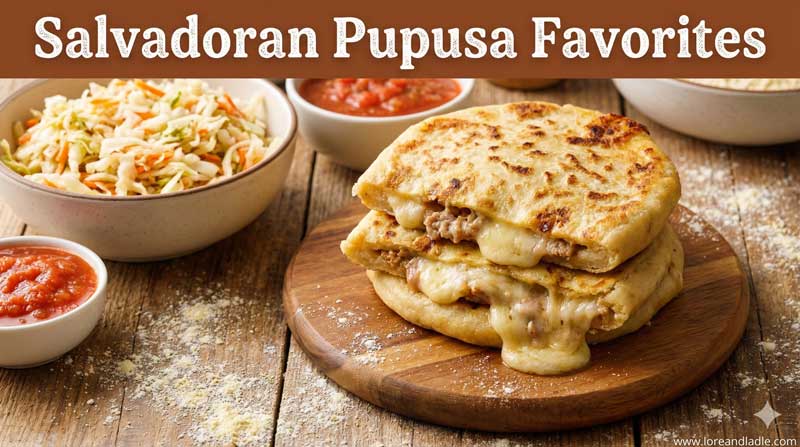
Eating a pupusa is a tactile experience as much as a flavor one. The warm masa yields to gentle pressure, revealing a soft, pliant interior. The cheese remains gooey, stretching just enough to feel indulgent without heaviness. Loroco releases a gentle perfume that lingers after the first bite, inviting another. The crust—slightly crisp where the dough touched the griddle—provides a soft counterpoint to the tender interior. This interplay of textures keeps the palate engaged and makes every pupusa feel freshly made, a small scene of culinary artistry in a single plate.
What to Order at Salvadoran Restaurants in the U.S.
If you are exploring Salvadoran cuisine in the United States, start with the loroco and cheese pupusa. It is the quintessential introduction to both the ingredient and the technique. Ask for it “una pupusa de loroco y queso” and request it hot off the grill for the fullest aroma. If you want variety, try a few pupusas with different fillings, such as queso con loroco, revueltas (a mix of cheese and beans), or con chicharrón (crisp pork). Always order a side of curtido and a mild salsa roja to complete the experience. Curtido is a tangy, crunchy cabbage slaw that brightens the dish, while the salsa adds a gentle warmth. Together, they transform a single pupusa into a small, satisfying meal.
Pairings and Accompaniments: Curtido, Salsa, and Drink Pairings
Curtido and salsa are more than condiments; they are part of the cultural experience. Curtido’s brightness contrasts with the warm, soft interior, making each bite feel fresh and alive. Salsa roja introduces a slight heat that complements the richness of the cheese. For a balanced meal, pair a couple of pupusas with a refreshing beverage such as horchata or a light soda. The combination of pupusas with curtido and salsa demonstrates how Salvadoran cooks layer textures and flavors to create harmony on the plate.
Ordering Tips for the U.S. Dining Scene
- Request pupusas hot off the griddle for best texture and aroma.
- Try “una pupusa de loroco y queso” first, then sample other fillings.
- Add curtido and salsa to taste; start with a small amount if you are new to the heat or tang.
- If dining with others, consider a mini tasting: one loroco and cheese, one bean and cheese, and one revueltas to compare textures and flavors.
Cultural Value and Culinary Significance
The loroco and cheese pupusa embodies the heart of Salvadoran food culture: simple ingredients transformed with care into something greater than the sum of its parts. It speaks to skill, patience, and a pride in handmade cooking. The dish travels easily—from a street vendor’s griddle to a family kitchen—yet maintains a sense of ceremony in every bite. It invites conversation about texture, aroma, and balance, and it rewards visitors with a comforting familiarity that still feels fresh and vivid. In this way, the pupusa is both a daily staple and a culinary ambassador, highlighting the beauty of Salvadoran flavors through a single, well-crafted bite.
Closing: A Warm Welcome to Salvadoran Flavors
Loroco and cheese pupusas invite you to slow down, breathe in the aroma, and savor the soft, comforting interior. They remind us that good food can be both humble and remarkable. In the United States, where Salvadoran restaurants bring their traditions to curious guests, the pupusa offers an accessible, delicious doorway into a culture that values family, craft, and shared meals. Next time you seek a satisfying, meaningful bite, let a loroco and cheese pupusa guide your tasting journey—there is room for everyone at this table of flavor.