
Introduction: A Dish that Bridges Tradition and Modern Life
Make-Ahead cheese-filled khinkali twists for Stress-Free Evenings opens a door to a kitchen where timeless hospitality meets practical living. This dish nods to Georgia’s warm culinary heritage while inviting you to savor a calm, organized approach to weeknight dining. The idea is simple: celebrate a beloved shape and filling, then shape the cooking rhythm around your own busy hours. The result is food that feels both classic and refreshingly doable.
What Are Make-Ahead Cheese-Filled Khinkali Twists?
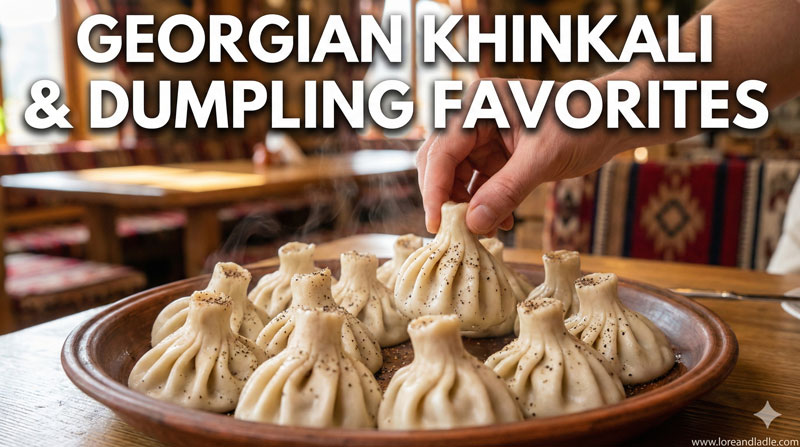
Khinkali are traditional dumplings known for their juicy interiors and pleated tops. The make-ahead version focuses on two main ideas: cheese as a comforting heart and a twist-sealed skin that holds in flavors. The dough becomes a thin, flexible envelope, and the cheese filling—often a Georgia-inspired mix such as sulguni with a touch of local cheese—melts into soft, savory warmth. Each dumpling is formed with a small twist or pleat at the top, giving the finished dish a delicate, flower-like silhouette. This presentation honors the craft of Georgian dough and the artistry of folding, while the make-ahead approach adds a practical, modern touch to the process.
The Cultural Value of Khinkali in Georgia
Khinkali holds a cherished place in Georgian food culture. It appears in family kitchens, at celebratory feasts, and in everyday meals, linking generations through shared craft. The act of making khinkali is often a social ritual—families gather, dough is prepared, fillings are mixed, and the dumplings are shaped together. This communal process reflects a broader value: food as a generous welcome. When people eat khinkali, they share not only nourishment but stories, memories, and a sense of belonging. The make-ahead twist adds to this culture by allowing a busy home to host with confidence, keeping that generous spirit intact even on crowded evenings.
Culinary Significance: Cheese, Dough, and Balance
The cheese filling at the heart of these twists celebrates regional dairy traditions. Sulguni, a soft, stringy Georgian cheese, provides a mellow saltiness and a creamy melt. When combined with a complementary cheese or a touch of herbs, the filling becomes lush without being heavy. The dough is prized for its resilience: thin enough to yield a tender bite, strong enough to cradle a generous filling. The act of twisting the tops is more than a technique; it’s a statement about care—each dumpling is shaped with attention, ensuring even cooking and a pleasing texture. This combination of cheese-sustained creaminess, a crisp exterior when lightly fried or steamed, and the gentle chew of the dough makes khinkali a vivid example of how Georgian cuisine blends texture, aroma, and balance.
Make-Ahead Advantage: Stress-Free Evenings
The “make-ahead” aspect is not merely a time saver; it changes how a family approaches supper. You can prepare the dough, mix the cheese filling, and shape the twists ahead of time. Freezing on a tray preserves shape and texture, then a quick simmer or steam completes the cooking. This method honors the Georgian value of hospitality by making it easier to welcome guests or simply treat yourself to a special dinner after a long day. The result is a dish that tastes like a thoughtful effort, even when it was planned in advance. in the rhythm of modern life, such foresight supports calm evenings, mindful cooking, and generous sharing.
The Craft: Shaping, Filling, and Sealing
Crafting these khinkali twists showcases several delicate skills. Roll the dough to a thin, even layer, then cut circles that will cradle the cheese filling. Spoon a measured amount into the center, keeping a balance between filling and dough so the dumpling closes neatly. Pinch and twist the edge to form a tiny crown at the top—this is the signature twist that defines the dish. The texture of the finished dumpling depends on even rolling, careful sealing, and a gentle, patient approach to twisting. Each step reveals a different facet of culinary craft: the tenderness of the dough, the aroma of the cheese, and the satisfying snap of a well-sealed seam. This process is a quiet celebration of skill passed down through generations, now adapted for Home Cooks who value both tradition and practicality.
Serving, Pairings, and Cultural Moments
When served, khinkali invites conversation as much as it invites nibbling. Present the twists with fresh herbs, cracked pepper, and a light sprinkle of salt to honor the cheese’s aroma. A simple yogurt sauce or a bright tomato relish can offer contrast without overpowering the cheese’s softness. In Georgia, such dumplings might appear alongside a glass of local wine, a clear tea, or a light broth, depending on the season and setting. The dish also fits well with a relaxed family gathering, a casual dinner with friends, or a quiet evening when you want to savor a moment of hospitality and connection. The make-ahead format supports these moments by reducing last-minute preparation, allowing more time to share stories and laughter around the meal.
A Note on Accessibility and Adaptation
The beauty of khinkali lies in its adaptability. While sulguni is a traditional cheese, you can explore other local cheeses that melt well and bring a similar texture. Fresh herbs, a touch of pepper, or a gentle citrus zest can brighten the filling in thoughtful ways. The dough recipe can be scaled for different kitchen setups and equipment, from a rolling pin at a compact home station to a stand mixer at a larger home. This flexibility makes the dish approachable for cooks who are new to khinkali and for seasoned makers who want to refine their technique. The essential principle remains: balance, patience, and a gentle hand, which honor the culture while inviting personal expression.
Conclusion: A Gentle Celebration of Food and Everyday Life
Make-Ahead cheese-filled khinkali twists for Stress-Free Evenings stands at the intersection of tradition and practicality. It honors Georgian hospitality by elevating a beloved dish into a reliable staple for busy days, without sacrificing the care and craft that define good cooking. In every twist, you sense a quiet beauty—the artful pinching, the melt of cheese, the aroma of fresh dough. It is a reminder that culture can be a living, breathing part of everyday life: a meal that brings people together, a technique that invites practice, and a flavor that lingers pleasantly in memory. This dish invites you to slow down just enough to appreciate the craft, savor the cheese, and enjoy the ease of a well-prepared, gracious evening.