
How to Make extra-brothy soup khinkali at Home in the U.S.
Khinkali is a dumpling that carries a gentle, comforting broth inside. in the United States, Home Cooks can honor this dish by highlighting its broth-rich heart. This post celebrates the cultural value and culinary significance of khinkali, especially when you aim for extra broth. You’ll see how technique, texture, and patience come together in a dish that welcomes conversation and warmth around the table.
A warm view of khinkali: tradition in every fold
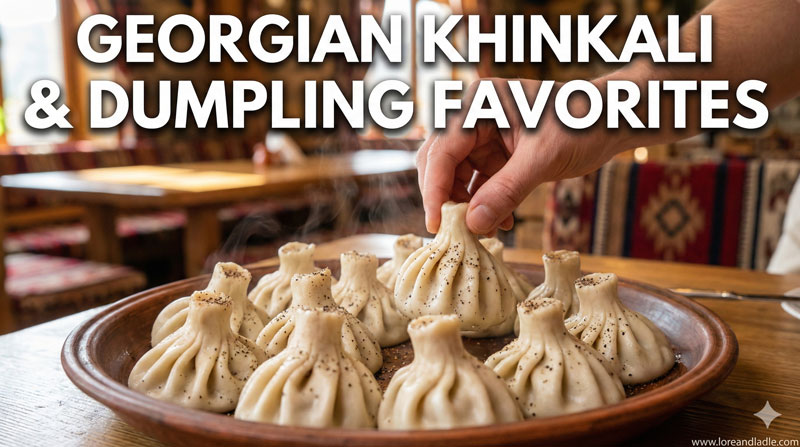
Khinkali speaks through its shape and texture. The dough is sturdy yet tender, rolled thin enough to bite with ease. The filling blends meat and aromatics with moisture, so the hidden broth swells softly as the dumplings cook. The classic topknot pinches the dumpling shut, a small flourish that signals care. In many households, making khinkali becomes a ritual that invites family and friends to gather, share stories, and savor a slow, communal moment. In the U.S., this ritual travels through kitchens, market visits, and supper clubs, enriching local food culture with a touch of Georgian craft.
Why the broth matters: culinary significance
The broth inside khinkali is more than moisture; it is a signature of balance. It emerges from the interplay of fat, meat juices, and careful simmering. Extra broth adds a layer of richness that brightens the filling’s savor and elevates the overall sensation of the bite. Producing that depth rewards patience and technique. The broth also teaches a respect for ingredients: bones and scraps, aromatics, and a clean dough that can cradle warmth. When you welcome more broth, you invite a dialogue between texture and taste, between homey comfort and refined savor. This is the heart of khinkali’s culinary significance in modern kitchens abroad: a bridge between tradition and personal taste.
Building the broth-forward approach, step by step
In a home kitchen, you can emphasize broth without losing the dumpling’s integrity. Start with a strong, clear stock. A well-made bone broth provides a reliable foundation. Use slow simmering to extract flavor and gelatin. Chill the broth to skim away fat, then warm it gently when you are ready to cook or serve. The dumplings will release their own juices as they steam and boil, but the extra broth comes from the stock you prepared ahead.
In addition, craft a moist, flavorful filling. A balance of lean meat and a touch of fat keeps the filling juicy. Onion, herbs, salt, and pepper bring brightness. A small amount of liquid from a well-made stock can be incorporated into the filling to contribute to the overall moisture that translates into broth during cooking.
What you will gather in the United States
- High-quality flour for a supple dough
- Cold water and a pinch of salt for the dough
- Ground meat (beef or pork, or a mix)
- Finely chopped onion and fresh herbs
- Salt, pepper, and optional spices you enjoy
- Bones for stock (beef, chicken, or a mix)
- Aromatics such as carrot, celery, garlic, bay leaves
- Fresh herbs for finishing and aroma
A good market visit makes these ingredients feel connected to a larger tradition. In many American kitchens, cooks choose ingredients with care, then honor the dish’s roots by treating the dough and the folds with patience.
Step-by-step: making extra-brothy khinkali at home
1) Prepare a robust stock. Simmer bones with onion, carrot, garlic, and herbs for several hours. Strain and cool; skim the fat.
2) Make the dough. Combine flour, water, and salt. Knead until smooth. Rest the dough briefly to relax the gluten.
3) Prepare the filling. Mix ground meat with finely chopped onion, salt, pepper, and herbs. Add a small amount of stock to improve moisture.
4) Roll and shape. Divide the dough, roll each piece into a thin circle. Place a small scoop of filling in the center.
5) Fold and seal. Bring the edges together and pinch tightly, forming the traditional top knot. The seal should be firm to trap the broth inside.
6) Cook with care. Boil the dumplings in salted water or in a shallow bath of hot stock. Cook until the dough is tender and the inside is hot.
7) Finish with broth. Serve the dumplings with a ladle of the hot stock poured over or alongside. This extra broth invites second, third bites and conversation.
8) Enjoy mindfully. Sip the broth as you bite, then savor the dough and filling together. The experience is about balance, texture, and shared delight.
Serving and savoring: culture around the table
Khinkali invites communal enjoyment. In the United States, plates may be shared among friends and family, with a clear moment to sip the broth and then bite into the dumpling’s heart. A small amount of pepper or fresh herbs can brighten the first bite. Some households pair khinkali with a simple herb-infused oil or a light tomato broth to echo its soupier nature. Either way, the act of serving, dipping, and passing the plate creates a social rhythm that feels welcoming and respectful.
Adapting tradition to home kitchens
Adapting khinkali for home cooks in the U.S. means honoring both technique and accessibility. Use ingredients you love, keep dough thickness even, and maintain a steady boil so the broth remains clear and the dumplings cook evenly. The method remains flexible: you can simmer in broth for a gentler, more soup-forward outcome or cook in water and ladle extra broth at the table. The important thread is the care you bring to the dough, the fold, and the broth.
A closing thought: the beauty of shared flavor
Extra-brothy khinkali is a celebration of texture, aroma, and hospitality. It embodies a culinary philosophy that values slow technique, clear flavors, and a warm welcome. In American homes, this dish becomes more than a meal; it is a way to connect with a kitchen tradition from afar, now woven into daily life. The result is both simple and profound: a comforting bite that carries culture in its steam, a recipe that invites conversation, and a plate that says you care about the craft and the company at your table.