
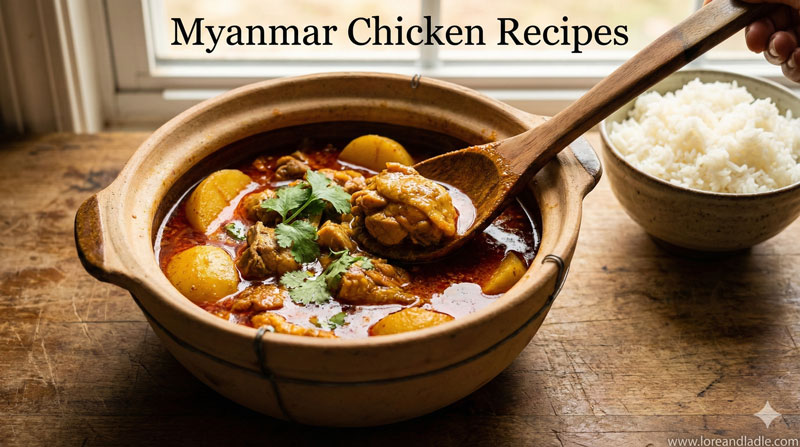
Make Myanmar Chicken Recipes the Star of Your Next Gathering
Invite your guests with the aroma of well-seasoned chicken and the care that goes into a Burmese kitchen. This dish collection centers on Myanmar chicken recipes that celebrate hospitality, family, and shared pleasure. When you plate a beautiful, flavorful chicken dish at a gathering, you invite conversation, memory, and delight. In this post, you’ll discover the cultural value and culinary significance behind a dish that truly shines at communal meals.
The Flavor Journey of Burmese Chicken
Myanmar cuisine is built on balance, brightness, and joy. A well-made Myanmar chicken dish brings a lively harmony of sweet, savory, and citrusy notes. Think tender meat glazed with fragrant spices, a hint of tang from lime or tamarind, and a savory depth from fish sauce or fermented paste. The result is comforting yet bright work that pairs beautifully with plain rice or fresh herbs. This balance mirrors the way Burmese cooks view gatherings: Simple Ingredients united with respect create a memorable table.
Next, brightness often arrives through fresh herbs and citrus. A squeeze of lime or a kiss of fresh cilantro can lift the entire dish. The warmth comes from gentle aromatics—garlic, shallots, and ginger—stirred with turmeric, lemongrass, and pepper. Finally, a touch of sweetness might come from palm sugar or a natural glaze, tying the flavors together. The outcome is a versatile dish that adapts to seasons, occasions, and guest preferences.
Core Ingredients That Define the Dish
The heart of Myanmar chicken recipes lies in ingredients that are fragrant, wholesome, and easy to source. Here are the pillars that consistently bring character to the plate:
- Chicken, prepared in bone-in portions or boneless cuts, for juiciness and flavor absorption.
- Aromatics such as garlic and shallots, which form a savory base.
- Turmeric for color, warmth, and a subtle earthiness.
- Lemongrass and a touch of ginger or galangal to add brightness.
- Fish sauce or a mild fermented paste, which provides depth and umami.
- Fresh lime juice or tamarind for a citrusy lift.
- Optional coconut milk or a light glaze to enrich the sauce and keep the meat tender.
- Fresh herbs for finishing, like cilantro or Thai basil, to add grassy notes at the end.
This combination creates a dish that feels both rooted in tradition and flexible enough to suit modern gatherings. You can emphasize one or two notes—such as a brighter lime finish or a creamier glaze—without losing the essential Burmese character.
Techniques That Elevate the Dish
The way you cook Myanmar chicken recipes matters as much as the ingredients themselves. Consider these approaches to heighten flavor and presentation:
- Marination: A short or extended marination in a spice paste helps the chicken drink in aromatic flavors. Even a modest marination time makes the final dish more vibrant.
- Searing then simmering: Start with a quick sear to develop color, then finish with gentle simmering in a flavorful sauce. This yields tender meat and a glossy glaze.
- Roasting or grilling: For a smoky, caramelized finish, roast or grill the chicken, brushing it with a spice glaze as it cooks.
- Finishing touch: A squeeze of lime and a handful of fresh herbs right before serving brighten the plate and balance the sauce.
- Saucing and consistency: If you prefer a sauce, reduce it to coat the chicken lightly. If you favor a drier finish, cook until the glaze clings but the meat remains juicy.
These techniques keep the dish approachable while delivering restaurant-like depth. They also support a smooth workflow when you are feeding a crowd, allowing you to prep ahead and finish with a bright, fresh finish just before service.
Presenting Myanmar Chicken at the Table
In many Burmese-inspired gatherings, the Dish Is a centerpiece that invites sharing. Present the chicken on a wide platter, surrounded by steamy rice, crisp vegetables, and a scatter of herbs. The visual appeal matters as much as the taste, so aim for a glossy glaze, even slicing, and a colorful garnish.
Consider these serving ideas to emphasize hospitality and the social nature of the meal:
- Plate in family-style portions: large pieces that guests can pick from and pass around the table.
- Offer a bright citrus finish: provide lime wedges on the side so guests can tailor the brightness to their liking.
- Pair with comforting sides: steamed jasmine rice, a light cucumber salad, and a handful of fresh herbs create a balanced spread.
- Provide a small bowl of dipping sauces or a mild chili oil for those who want a gentle kick.
By focusing on presentation and sharing, you honor the cultural value of Burmese food as a unifying experience. The table becomes a gathering place where stories are shared as freely as recipes.
Pairings and Seasonal Variations
A Myanmar chicken dish can adapt to many seasons and tastes. For a bright spring or summer menu, emphasize citrus and fresh herbs. In cooler seasons, a slightly richer glaze or a dash of coconut milk can add comforting warmth. Here are some pairing ideas:
- Rice: Plain steamed rice or fragrant jasmine rice provides a neutral base that soaks up sauce beautifully.
- Vegetables: Lightly pickled or crisp-fried vegetables offer contrast in texture.
- Fresh herbs: Cilantro, mint, or Thai basil add aroma and color.
- Small salads: A cucumber-tennery onion salad or a simple tomato-onion salad can brighten the plate.
- Beverage pairing: A light, citrusy beverage or a mildly spiced tea complements the dish without overpowering it.
If you want to tailor the dish for a wider crowd, you can offer a mild version with less heat and a spicier option on the side. The goal remains the same: a centerpiece that invites everyone to the table.
A Step-by-Step Plan for Your Next Gathering
Planning helps you stage a memorable Burmese-inspired gathering with Myanmar chicken recipes as the star. Here is a practical guide to help you prepare with ease:
- Step 1: Choose your preferred preparation method (roast, grill, or simmer in a sauce) and set a timeline that fits your event.
- Step 2: Prepare a simple spice paste in advance and marinate the chicken. Even a few hours can make a difference.
- Step 3: Start cooking early enough to allow the glaze to develop and the meat to rest before serving.
- Step 4: Assemble accompaniments like rice, fresh herbs, citrus wedges, and a light salad.
- Step 5: Plate gracefully and keep an eye on serving flow so guests can enjoy the dish at its best.
- Step 6: Welcome feedback from guests and adjust future gatherings with the same careful attention to flavor and balance.
This plan keeps things organized while preserving the warmth of a Burmese-inspired gathering. It helps you present a dish that is both deeply rooted and refreshingly modern.
A Closing Note on Culture, Craft, and Community
Myanmar chicken recipes carry more than flavor; they carry a sense of place, family, and care. The dish is a reflection of a culture that values hospitality and the joy of sharing a well-prepared meal. When you invite others to taste it, you invite them into a moment of connection—the pleasure of good food prepared with intention. The beauty of this dish lies in its adaptability, its bright finish, and its ability to bring people together around a table.
If you approach your next gathering with curiosity and respect for the craft, you will find that Myanmar chicken recipes do more than satisfy hunger. They create a focal point for conversation, memory, and warmth. Let the dish be the star of your gathering, and let the table become a stage for friendship, storytelling, and mutual appreciation for the art of Burmese cooking.