
A Taste of Salvadoran Tradition
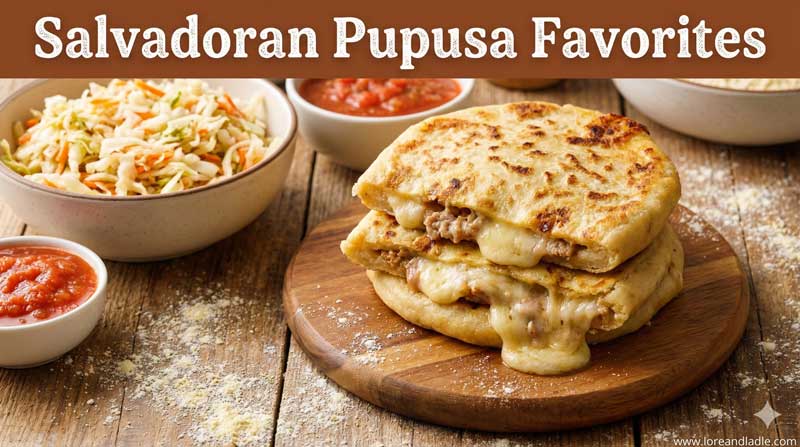
Pupusas revueltas with pork, beans, and cheese stand as a celebration of Salvadoran comfort food. This dish blends simple ingredients into a warm, satisfying experience. It invites family, friends, and neighbors to gather around the griddle and share a meal that feels both familiar and special. The act of making pupusas revueltas at Home becomes a small ceremony, a way to honor daily life and culinary craft.
What Makes Pupusas Revueltas Special
Pupusas revueltas are a reflection of balance in texture and flavor. The corn masa forms a soft, yielding shell, while the filling brings savory richness. Pork adds depth, beans provide gentle heartiness, and cheese delivers creamy pull. The result is a compact, round cake that crackles slightly on the outside and remains tender inside. Across kitchens and markets, the dish is celebrated for its approachable technique and its ability to carry regional pride in every bite.
The Craft Behind Masa, Beans, Pork, and Cheese
The masa dough is the foundation. It comes from finely ground corn and water, sometimes with a pinch of salt. Proper dough is smooth, not sticky, and easy to shape. The fillings—pork, beans, and cheese—join forces to create a layered welcome in each bite. Beans contribute earthiness; pork offers savor; cheese adds melt and cohesion. The filling is sealed inside the masa, forming a compact disk that cooks evenly on a hot surface. This craft calls for calm hands, steady grip, and patience, yielding a dish that looks simple but carries careful technique.
The Role of Shared Meals in Salvadoran Culture
In Salvadoran cooking, pupusas are more than food. They are a bridge between generations, a reason to gather, and a symbol of daily hospitality. Families often prepare pupusas for weekends, celebrations, and casual evenings alike. The ritual of making masa, lining up fillings, and cooking together strengthens bonds and creates joyful memories. Serving pupusas revueltas with curtido (a tangy cabbage slaw) or tomato sauce adds color and brightness to the meal, inviting conversation and shared delight.
Bringing Pupusas Revuelta Home: Technique and Tools
To recreate the texture and shape at home, start with a flat, nonstick surface or a seasoned cast-iron skillet. A tortilla press helps form even discs, though hands can do the job well too. Keep the dough moist but pliable. Place a portion of filling in the center, cover with more dough, and seal the edges. Gently flatten into a disk about a quarter to a half inch thick. Cook on a hot, lightly oiled griddle until the edges set and a light crust forms. Flip and finish until the other side is crisp and the cheese inside is melted. Serve hot, with curtido and a bright tomato sauce if you like.
Flavor Profile and Texture
Expect a balance of soft, yielding dough and a savory, savory core. The pork lends a robust savor, the beans bring gentle sweetness and body, and the cheese contributes creamy stretch. The outside crust offers a subtle crunch that contrasts with the tender interior. The overall experience is comforting yet bright, with aroma and texture that invite you to take another bite.
Sourcing Ingredients and Seasonal Tips
Choose fresh masa harina and good-quality pork for the best flavor. Beans should be cooked until creamy but still hold their shape. A mild, melty cheese works best for the revuelta filling. If you cannot find curtido, a simple slaw with cabbage, lime, and a touch of vinegar can stand in as a bright side. Seasonal peppers or a quick salsa can also accompany the dish, enhancing color and aroma.
Pairings and Serving Traditions
Pupusas revueltas shine when paired with cooling accompaniments. Curtido adds a lively, tangy contrast, while a light salsa or tomato sauce offers a fresh note. A simple avocado slice can provide extra creaminess. A glass of fresh juice or a mild beer complements the meal well. The goal is to create balance between the filling’s richness and the side’s brightness.
A Closing Note: Celebrating a Timeless Craft
Making pupusas revueltas at home is more than cooking. It is a respectful nod to culinary heritage and a daily ritual of care. The dish invites curiosity, technique, and warmth. By embracing the simple act of shaping masa and arranging the fillings, you keep a beloved tradition alive in your kitchen. Each bite becomes a small celebration of culture, craft, and community.