
Weekend Project: Mastering khinkali party platters in Your Own Kitchen
This weekend, invite warmth into the kitchen with a dish that celebrates sharing. Khinkali are more than dumplings; they are a way to gather, to observe patience, and to honor tradition. A well-made platter tells a story of care, skill, and generous hospitality. This post explores the cultural value and culinary significance of khinkali, and guides you through a weekend project to master a party-ready platter.
The Cultural Value of Khinkali
Khinkali embody Georgian hospitality and communal eating. Families and friends come together to prepare, share, and savor them. The act of folding and filling each dumpling mirrors collaboration and care. A platter of khinkali invites conversation, smiles, and a sense of place around the table. The dish also honors regional flavors, using fresh ingredients like onions, herbs, and ground meat. In many homes, serving khinkali is an invitation to slow down, savor the moment, and enjoy the artistry of handmade food.
The Craft Behind a Perfect Dough
Begin with a simple, soft dough. Use good flour, warm water, and a pinch of salt. Knead gently until the dough is smooth and elastic. Rest it briefly to relax the gluten, which makes the dumplings tender. Roll circles about three to four inches in diameter. A consistent circle ensures even cooking and a neat presentation. The dough should hold its shape yet yield easily to folding. This balance is the quiet heart of khinkali craftsmanship.
Filling Foundations
Classic fillings are flavorful without overpowering the dough. A common mix uses ground meat, finely chopped onion, garlic, salt, and pepper. Add fresh herbs such as parsley or cilantro for brightness. Some cooks blend a touch of cumin or coriander for warmth. You can also explore vegetarian fillings, like mushroom or potato, to highlight texture and aroma. The key is balance: the filling should be bold enough to taste, but not so heavy that it crowds the dough.
The Folding Art: Pleats and Precision
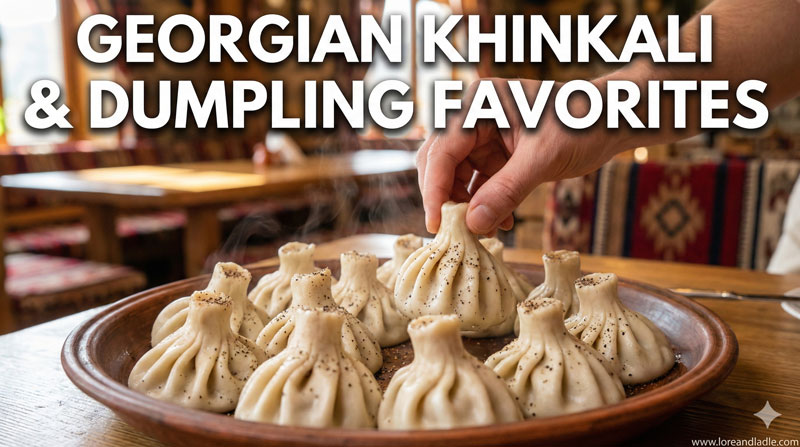
The signature of khinkali lies in the folds. Place a small mound of filling on the dough circle. Begin pinching the edge, creating pleats. Aim for 18 to 24 pleats for a sturdy seal and a pleasing silhouette. Gather the edges at the top and twist to seal, so the broth stays inside. Practice yields a uniform, elegant dumpling. Keep the filling centered and leave enough room for the pleats to rise neatly. The result is a dumpling that looks handcrafted and refined.
Building a Stunning Khinkali Platter
A well-arranged platter invites the eye as much as the palate. Layer khinkali in neat rows on a wide serving board. Leave space so each dumpling rests comfortably. Garnish with a few fresh herbs for color and fragrance. Keep the platter warm with a cloth or a low-heat cover to preserve the broth inside. A beautiful platter communicates care and invites guests to begin their tasting journey.
Eating Etiquette and Shared Experience
To enjoy khinkali, hold the dumpling by its top knot and take a small bite to release the steam. Sip the savory broth dripping from the first bite. Then eat the rest, savoring the harmony of dough, filling, and spice. This ritual emphasizes patience and appreciation for the craft. It also makes the tasting a group experience, where each bite echoes the shared kitchen effort.
Weekend Project Timeline and Practical Tips
Plan this as a two- to three-day project. Day 1, make and rest the dough. Day 2, prepare fillings and practice folding. Day 3, assemble the platter and finalize the presentation. If you’re short on time, you can roll all dough, chill, and complete folding in one session, then assemble at the last minute. Tips: keep dough covered to prevent drying, keep fillings evenly seasoned, and space out your folds to maintain consistency. A little organization goes a long way toward a flawless platter.
Flavor Pairings and Simple Beverages
Khinkali pair beautifully with tangy yogurt sauces, fresh herbs, and cracked pepper. A light salad of herbs brightens the plate, while a touch of chili oil adds warmth for those who enjoy a gentle heat. For beverages, offer a crisp mineral water and a dry red wine option. If you choose wine, a light Georgian variety complements the dish without overpowering its delicate balance.
A Gentle Invitation to Practice
This weekend project offers more than cooking technique. It invites you to slow down, observe textures, and celebrate hospitality through a beloved dish. With practice, your khinkali will reflect care, culture, and community. Enjoy the process as much as the final platter, and let the table speak of warmth, friendship, and shared flavor.