
Introduction
Meal Prep Friendly classic cheese and bean pupusas You Can Reheat All Week offers more than a tasty meal. It is a window into everyday cooking that honors simple ingredients and patient technique. The dish celebrates masa, cheese, and beans—everyday staples that come together with care. When you cook these pupusas, you feel a connection to home kitchens and the rhythm of a community that values shared meals. This post highlights the cultural value and culinary significance of this timeless Salvadoran favorite, while showing how it fits neatly into a week of tasty, accessible meals.
Cultural roots and craft
Pupusas are found in many Central American kitchens, but the cheese-and-bean variation speaks clearly to a particular balance prized in traditional cooking. The masa dough acts as a flexible canvas. Chewy yet soft, it carries the filling with grace. The filling—mild cheese meeting creamy beans—offers a harmony that many families recognize from childhood lunches and weekend gatherings. The magic arrives when dough, filling, and heat meet on a hot flat griddle. A few minutes later, the pupusa develops a delicate crust and a warm, comforting center. This simple process is a small ceremony of craft. It invites hands of all ages to participate, sharing tips and stories while the patties cook. In homes and markets, the act of shaping and grilling pupusas becomes a quiet, joyful ritual. That ritual carries forward as a practical, week-long meal option without losing its soul.
Technique and flavor
The core of this dish is balance. The masa must be supple enough to seal around the filling, yet sturdy enough to hold its shape during cooking. The typical ratio favors a generous yet controlled filling. For cheese and bean pupusas, you want enough cheese to melt with the beans, but not so much that the filling oozes out or the dough becomes dry. The cheese often used is a mild, salty option such as queso fresco or a local white cheese that melts nicely. The beans are seasoned and smooth, sometimes folded into a light paste so they disperse evenly. The outer shell should be a warm, slightly crisp disc, with a soft interior that yields to the bite. Cooking on a hot, dry griddle gives a gentle char that deepens flavor without overshadowing the filling. The result: a comforting bite that is at once familiar and bright.
Meal prep and reheating
This dish adapts beautifully to a week of meals. To prepare a batch, make the dough, mix the beans and cheese, and shape several pupusas at once. Allow them to rest briefly before cooking. Once grilled, cool and store them in airtight containers. They keep well in the refrigerator for a few days and freeze nicely for longer storage. When you’re ready to eat, reheat with care to preserve texture.
Reheating options:
– Skillet: Warm gently over medium heat with a light touch of oil or a dry skillet. Flip once to re-crisp both sides.
– Oven or toaster oven: About 350°F (175°C) for 8–12 minutes, until hot and lightly crisp.
– Microwave: Use sparingly if you must; a quick 20–30 seconds can work, but it softens textures. A quick re-crisp afterward is nice.
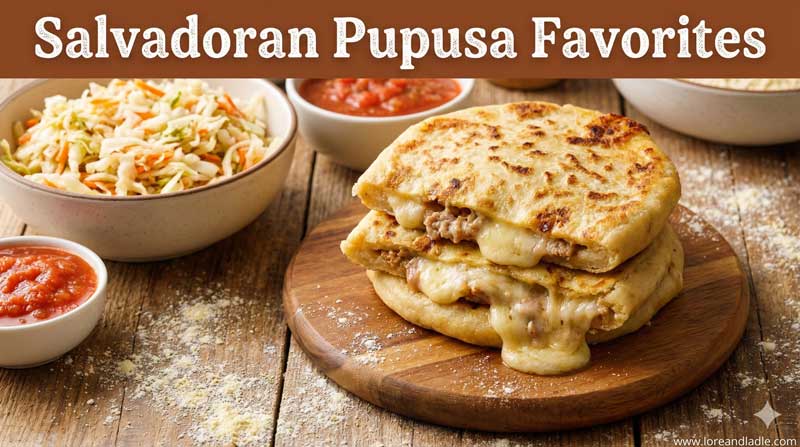
Pairing ideas for meal prep stay simple and satisfying. Serve with curtido—a tangy, lightly fermented cabbage slaw—or a fresh tomato salsa. The balance of tangy, salty, and creamy brightens the week’s meals. This approach keeps the dish versatile for lunches, dinners, or quick dinners after a busy day. The “You Can Reheat All Week” aspect shines when you can reach for a ready-made pupusa that still feels freshly made.
Serving traditions and pairings
In many homes, pupusas are more than a dish; they are a moment of sharing. People often serve them with curtido and salsa rojo, which adds brightness and a touch of heat. Curtido cuts through the richness with acidity and crunch, while salsa brings a sunny kick that wakes the palate. A simple green salad or a light slaw can also accompany the meal, adding color and balance. The beauty of this dish lies in its simplicity: a few well-chosen accompaniments can elevate the entire experience.
From a culinary perspective, the cheese-and-bean filling is a study in complementarity. The mild cheese provides a smooth backdrop that lets the beans’ earthiness shine. The masa adds a comforting texture that supports both elements. When you plate these pupusas, you create a composition that mirrors everyday life—humble, warm, and deeply satisfying.
Practical tips for success
- Keep dough and filling balanced: too much filling can break the seal; too little can feel dry.
- Use warm water or broth to hydrate the masa for a supple feel.
- Work with consistent disc sizes so they cook evenly.
- Let cooked pupusas rest briefly before serving; this helps them set and stay cohesive.
- For a gluten-free option, rely on pure corn masa and verify filling ingredients.
- Label and date frozen pupusas to track freshness.
These tips help ensure a reliable, flavorful result that holds up through a busy week of meals.
A note on cultural appreciation
This dish is a celebration of home cooking and shared meals. Its appeal lies in its ability to blend simple ingredients into something comforting and memorable. By approaching the dish with respect for traditional techniques and a curiosity for flavor, you honor its place in Salvadoran cuisine. The result is a meal that feels both timeless and timely—a bridge between everyday cooking and the joy of taking a moment to savor something handmade.
Conclusion
Meal Prep Friendly classic cheese and bean pupusas You Can Reheat All Week offers more than convenience. It invites you into a tradition of careful preparation, balanced flavors, and communal eating. The masa-wrapped filling, grilled to a light char, celebrates the beauty of simple ingredients coming together with skill and care. By pairing the pupusas with curtido and a bright salsa, you reinforce the dish’s role as a staple that travels well from kitchen to lunchbox, from stove to table. This is a dish that honors tradition while fitting smoothly into modern routines. It is an enduring reminder that good food—made with patience and shared with others—enriches daily life.