
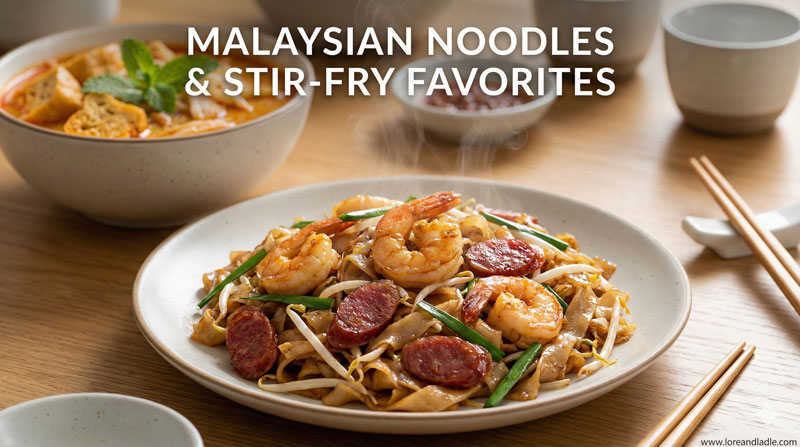
From Malaysia to America: A Home Cook’s Guide to Mee Goreng Mamak
Mee Goreng Mamak shines as a bright, flavorful emblem of everyday cooking. It is a dish people make at Home with care, and it remains true to its street-food origins in spirit. The name itself invites curiosity: a fried noodle dish that blends speed, skill, and heart. In a single skillet, simple ingredients become a celebration of color, aroma, and texture. When you cook Mee Goreng Mamak, you honor a tradition of sharing meals that feel both comforting and exciting.
First, you notice the balance of flavors. The noodles are glossy and caramelized, touched with sweet, salty, and tangy notes. The aroma of garlic and shallots rises, then gives way to a sizzle of protein and vegetables. Next, you see how each bite carries a story of collaboration—Chinese techniques, Malay seasoning, Indian-influenced aromatics—woven together with respect for the ingredients. This is not just supper; it is a social experience you can recreate in a home kitchen with warmth and care.
The Craft Behind Mee Goreng Mamak: Technique and Texture
Mee Goreng Mamak comes alive in the wok, where high heat and quick movements create something called wok hei—a nuanced breath of smoky, caramelized fragrance. To begin, set up mise en place: noodles drained, garlic and shallots minced, eggs ready, vegetables sliced, sauces measured. Then heat the pan until it glows, and move fast. A few seconds of high heat before the noodles touch the surface makes all the difference.
Texture matters just as much as taste. The goal is noodles that are tender but not mushy, tinged with a light char. The vegetables stay crisp, and the proteins stay juicy. The eggs swirl through the dish, adding richness and silkiness. Finally, the finishes—bright lime juice, a sprinkle of fried shallots, and a dash of fresh chili—lift the plate and invite another bite. In home cooking, precision helps, but so does flexibility: adjust the heat, adjust the sauce, and let the dish reflect your pantry and palate.
A Tapestry of Flavors: Cultural Roots in Malaysia
Mee Goreng Mamak is a harmony of influences that mirrors Malaysia’s culinary landscape. The dish borrows the speed and technique of Chinese stir-frying, the warmth of Malay spice blends, and the generous spirit of Indian-influenced flavors in a single plate. This fusion is not about complexity for its own sake; it is about making everyday cooking sing. The result is a meal that feels both familiar and adventurous, offering comfort through familiar textures and excitement through bright seasonings.
In daily life, Mee Goreng Mamak sits at the heart of social cooking. Families gather around the stove to prepare it, and friends share the sizzle and the aroma from the kitchen to the table. The dish invites conversation and participation—a few helpers crushing garlic, saucing the pan, or garnishing with lime. This communal rhythm is a cultural thread that makes the dish more than food: it becomes a shared ritual of care and connection.
The Significance of Ingredients: Noodles, Sauces, and Aromatics
The backbone of Mee Goreng Mamak is the ingredient chorus. Yellow egg noodles are the canvas, offering a gentle bite that soaks up sauces without dissolving. Alternatives like thicker fresh noodles or hand-pried strands can work, but the classic choice brings a certain chew and resilience.
Sauces provide the signature sweetness and depth. Kecap manis, a thick sweet soy, gives caramel color and a gentle molasses-like sweetness. Soy sauce adds savory depth, and chili sauce or fresh chilies introduce warmth and brightness. A touch of tomato ketchup is common in many versions, adding a hint of tang and a glossy finish. The result is a glossy, lacquered coating that clings to each strand.
Aromatics such as garlic and shallots deliver the base perfume. Egg adds richness and helps bind the dish as it cooks. Proteins—chicken, shrimp, or tofu—offer protein variety and texture. Vegetables like cabbage, bean sprouts, and scallions provide crunch and freshness, balancing the dish’s fat and heat. The garnishes seal the experience: lime wedges brighten the plate, cucumber slices cleanse the palate, and fried shallots deliver a final crispy note.
This constellation of components is also a reminder of the home cook’s adaptability. If you lack a particular ingredient, you can substitute with pantry staples while keeping the dish’s essence intact. The beauty lies in the resilience of the recipe: it travels well from kitchen to kitchen and welcomes personal touches.
Mee Goreng Mamak in American Kitchens: A Home Cook’s Perspective
In American kitchens, Mee Goreng Mamak travels from a market stall to a home stove with ease. The dish becomes an inviting project for cooks who want to explore Southeast Asian flavors without leaving home. Ingredients are broadly available: yellow noodles at Asian markets or well-stocked grocers, soy sauces, kecap manis, chili sauces, and fresh aromatics. If a specific item is hard to find, you can swap with a comparable product and still preserve the essential rhythm of the dish.
Home cooks in America often tailor Mee Goreng Mamak to their pantry. They may use chicken thighs for juicier meat, or add shrimp for a touch of ocean brightness. Vegetarian versions substitute tofu or mushrooms for protein and load up on bell peppers or snap peas for color and crunch. The frying technique remains universal: a quick, confident toss in a hot pan to achieve that glossy surface and a subtle char.
Beyond technique, the dish offers a gateway to a broader culinary curiosity. It encourages readers to explore the shared culinary language of Southeast Asia: a respect for balancing sweet, salty, tangy, and spicy, the joy of quick cooking, and the delight of sharing a meal with others. Preparing Mee Goreng Mamak at home can become a small, joyful ritual that expands a cook’s confidence and palate.
Serving Ideas and Stories: The Social Joy of a Fried Noodle
To serve Mee Goreng Mamak is to invite a moment of togetherness. Present it steaming hot, with lime wedges on the side and a scattering of fried shallots for fragrance. A simple side of cucumber slices provides a refreshing counterpoint to the dish’s rich glaze. A pot of hot chili sauce on the table invites guests to tailor the heat to their taste, sparking conversation about preferred spice levels and flavor notes.
As you plate, consider sharing the memory of the dish: a busy kitchen on a weeknight, a recipe handed down, or a playful tweak discovered while cooking with friends. The story adds depth to the dish and helps others feel welcome to try it. In that spirit, Mee Goreng Mamak becomes more than a recipe; it becomes a bridge to new tastes and new conversations.
In closing, this dish offers cultural value through its authenticity, adaptability, and communal charm. Its culinary significance lies in its balance of technique, flavor, and heart. For home cooks in America and beyond, Mee Goreng Mamak is an accessible invitation to celebrate vibrant food, craft delicious meals, and share a table with joy.