
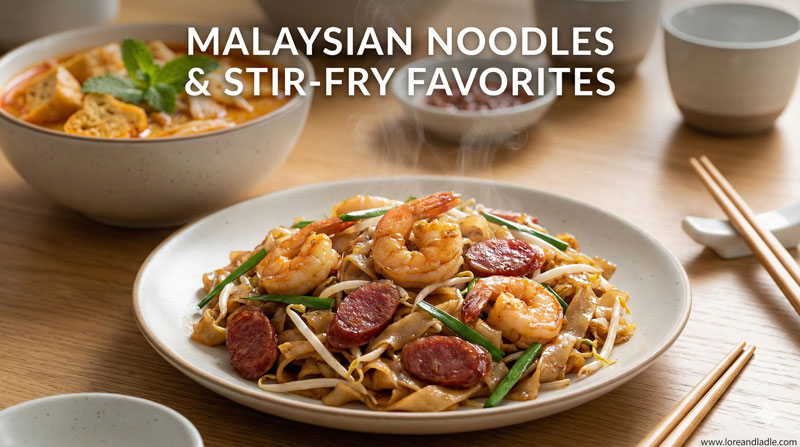
Mee Goreng Mamak That’s Winning Over Foodies Across the U.S.
Mee Goreng Mamak is more than a plate of noodles. It’s a vibrant celebration of flavor, technique, and shared enjoyment. Across the United States, this dish is winning fans with its bright aroma, confident kick of spice, and the comforting warmth of a well-made stir-fry. The name itself signals a street-food charm that travels easily from a busy stall to a home kitchen, inviting curious eaters to explore a lively, welcoming food culture.
Flavor and Texture: A Harmonious Blend
The signature of Mee Goreng Mamak is its lively balance. The noodles carry a glossy glaze of sweet soy sauce (kecap manis) and a touch of tomato for brightness. Garlic and shallot add fragrant depth, while a whisper of chili brings warmth rather than heat alone. Vegetables—think cabbage, bean sprouts, and thin carrot batons—provide crunch that stays crisp even after the wok. Proteins shift with preference and season, from shrimp and chicken to tofu or eggs. The result is a dish that feels both satisfying and uplifting, with layers that greet the palate at every bite.
What makes this combination special is its ability to layer flavors without becoming heavy. The savory-sweet sauce keeps time with the slight tang of tomato, and a squeeze of lime at the end brightens the finish. Fried shallots sprinkled on top add a crisp, toasty note. Each component plays its part, yet the whole plate sings with unity and balance.
The Craft Behind the Fry: Wok Technique and Speed
Mee Goreng Mamak shines when it’s prepared with hot, fast heat. The wok is heated high, and ingredients are added in quick succession to preserve color and texture. This is where “wok hei”—the breath of the wok—begins to show. The aroma is both smoky and comforting, a signal that the dish has been treated with skill and care. Stir-frying is a quick conversation between ingredients: noodles meet sauce, vegetables meet protein, and everything gets tossed until the glaze clings just right.
Cooks bring intention to every motion. A quick flip of the wrist, a steady toss, and a final toss to marry flavors. The technique is accessible, yet it rewards practice. Home kitchens can capture the spirit by using a hot skillet or wok, keeping the ingredients moving, and letting the sauce thicken as the noodles soak up its notes. The result is a glossy, inviting dish that radiates energy and craft.
Cultural Value: Shared Plates and Open Doors
Mee Goreng Mamak carries a sense of hospitality. It arrives at the table as a crowd-pleaser, a dish that invites sharing. In stalls and family kitchens alike, it is common to see friends and family gather around a steaming pan, exchanging tips and stories while the noodles finish their journey. This social warmth is part of the dish’s charm: a single plate can spark conversation, invites experimentation, and become a small ceremony of tasting and adjusting.
The dish also embodies adaptability. It welcomes different proteins and dietary styles without losing its soul. Whether you prefer seafood, poultry, tofu, or a plant-based option, Mee Goreng Mamak holds steady in its identity. This flexibility makes the dish an approachable introduction to Southeast Asian flavors for new diners, while still offering depth for seasoned cooks.
Culinary Significance in the U.S. Food Scene
Across America’s vibrant food landscape, Mee Goreng Mamak stands out for its clarity of purpose and its sense of place. It showcases how Southeast Asian flavors can shine through bright sauces, crisp vegetables, and a confident fry. In bustling urban markets, it appears beside other street-food favorites, inviting curious tasters to compare textures and aromas side by side.
Chefs appreciate its balance, which translates well to menus that celebrate bold flavors without overwhelming diners. The dish invites experimentation: cooks can tweak the spicy level, adjust the sweetness of the sauce, or swap in local produce. The result is a dynamic culinary conversation—a reminder that great food often grows when cooks listen to local tastes while honoring a classic technique.
The dish also serves as a gateway for Home Cooks. It teaches How to respect a simple sauce base, how to time a speedy stir-fry, and how to balance tang, sweetness, and heat. The experience of frying in a hot pan becomes a shared skill that families and friends can practice together, turning a weeknight dinner into a small culinary event.
Tips for Enjoying and Honoring the Dish
- Start with a bright base: a small squeeze of lime enhances the finish and brightens the dish.
- Respect the texture: aim for slightly crisp vegetables that stay crisp after sauce coats.
- Match the protein to your preference: shrimp, chicken, tofu, or eggs all work beautifully.
- Adjust heat mindfully: a touch of chili paste lets you control flavor without overpowering the other notes.
- Pair thoughtfully: a crisp cucumber salad or a light iced tea complements the dish’s warmth.
A Welcoming Invitation to Explore
Mee Goreng Mamak invites readers to celebrate flavor, technique, and community. It is a dish built on quick, precise cooking and a philosophy of sharing. In kitchens across the United States, it becomes a canvas for personal expression while preserving the essence of a beloved street-food tradition. If you seek a meal that is comforting yet lively, familiar yet fresh, Mee Goreng Mamak offers a clear path to discovery.
in the end, the beauty of Mee Goreng Mamak lies in its balance and accessibility. It honors careful technique without demanding perfection. It welcomes a range of ingredients and tastes, inviting everyone to join in. This is not merely a recipe; it is a cultural expression that invites pleasure, curiosity, and connection at the table. Through its aroma, texture, and spirit, Mee Goreng Mamak continues to win over food lovers across the U.S., one flavorful plate at a time.