
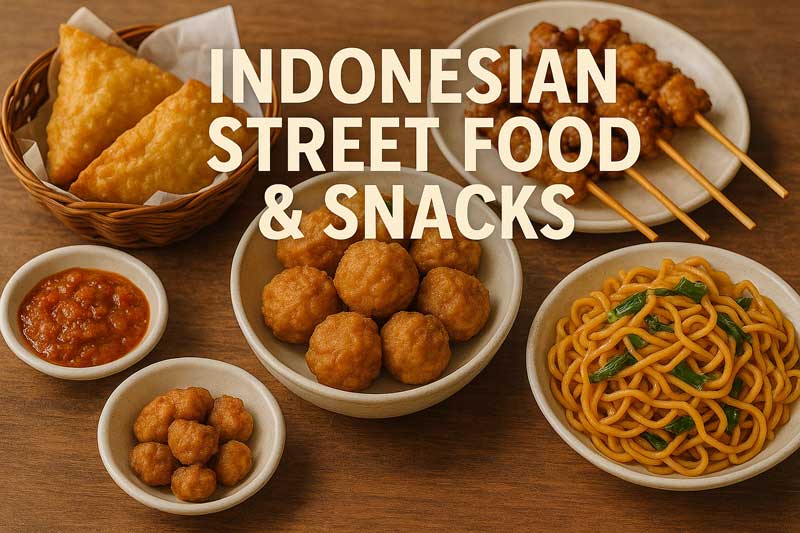
A Dish That Brings Flavor and Culture Together
Mie Goreng, Indonesian fried noodles, is a bright, everyday treasure. It moves easily from home kitchens to bustling street stalls. in the United States, it welcomes diners to a flavorful doorway into Indonesian cooking. The dish gleams with a caramel color, a fragrant aroma, and a satisfying bite. More than a dish, it tells a story of balance, craft, and shared meals.
What Mie Goreng Means
Mie means noodles in Indonesian. Goreng means fried. Put together, they describe a method: quick, high-heat cooking that awakens the noodles and ingredients. The name invites us to focus on simplicity meeting skill. The dish shows how a few ingredients can carry a wide range of flavor, texture, and charm. This clarity of purpose, paired with bold taste, is at the heart of its cultural appeal.
The Heart of the Kitchen: Key Ingredients
The core components are approachable and flexible. The noodles are typically yellow wheat noodles, firm enough to stand up to a fast stir-fry. Aromatics like garlic and shallots provide a fragrant base. A touch of chili adds warmth and spark. The signature sweetness comes from kecap manis, a thick, fragrant sweet soy sauce, which gives the dish its inviting caramel color. A splash of soy sauce adds depth, while vegetables such as cabbage, carrot, and bean sprouts provide crunch. Proteins—like chicken, shrimp, or eggs—bring body and richness. Finish with fried onions or scallions for aroma and texture. In many kitchens, cooks also add a dollop of chili paste or sambal for a bright, peppery finish. The result is a harmonious balance of sweet, salty, savory, and a hint of heat that lingers pleasantly.
The Skill of Stir-Frying: Techniques and Why It Matters
A true wok technique defines Mie Goreng. The pan is hot; ingredients cook quickly. This quick stir-fry preserves the noodles’ bite and the vegetables’ freshness. The caramelization from the sauce helps create a savory sweetness that tasting reveals as “wok hei”—the smoky aroma that signals a well-executed fry. Timing is key: add proteins first, then aromatics, then noodles and sauce so every element lands at the right moment. This technique showcases respect for ingredients and the craft of the cook. In the U.S., Home Cooks can try a similar rhythm with a sturdy skillet if a wok isn’t available, keeping the principles of high heat and short cooking time.
Regional Flavors Within Indonesia
Across Indonesia, cooks tailor Mie Goreng with local ingredients and preferences. Some kitchens emphasize the sweetness of kecap manis, while others balance more with soy or oyster sauces. Fresh herbs, lime, and crisp vegetables brighten the dish, offering regional twists without changing the core concept. The versatility of Mie Goreng is part of its charm: it welcomes what’s on hand and invites personal touch. This adaptability reflects how Indonesian cuisine often harmonizes diverse flavors into a single, satisfying plate.
The Modern U.S. Connection
In the United States, Mie Goreng appears in many Indonesian eateries, food halls, and home kitchens. Its popularity stems from accessibility and adaptability. Grocery stores stock common ingredients like yellow noodles, garlic, shallots, and sweet soy sauce. Restaurants often feature Mie Goreng as a reliable, comforting option that introduces diners to Indonesian taste without overwhelming complexity. For home cooks, the dish offers a clear path to flavor: assemble fresh ingredients, heat the pan, and fold in sauce until glossy and fragrant. The result is a plated dish that feels both familiar and new, a bridge to Indonesian culinary identity.
Tasting Notes: How to Appreciate Mie Goreng
To savor Mie Goreng, start with aroma. The garlic and shallots mingle with the sweetness of the sauce to create an inviting perfume. Look for the glossy sheen of the sauce coating the noodles and vegetables. The texture should be a pleasing contrast: slightly crisp edges from the quick fry, tender noodles, and crunch from fresh vegetables. Taste a balance of sweet, salty, and a hint of heat. If present, the eggs add richness and a gentle silkiness. A squeeze of lime or a crisp cucumber slice can brighten the plate and offer a refreshing counterpoint. Pairing with a light, fragrant beverage like jasmine tea can elevate the overall experience.
A Quick Home Approach in the U.S.
Begin with a confident, hot pan and a plan. Cook aromatics first, then add your chosen protein. Push them aside, toss in noodles, and pour in a small amount of sauce. Stir quickly until everything is evenly coated and glossy. Finish with fresh vegetables and a final touch of fried onions or scallions. This simple method captures the essence of Mie Goreng: speed, balance, and a satisfying finish. The result is a versatile dish you can tailor to your taste and pantry, while keeping the core idea intact.
Cultural Value: Food as Shared Experience
Mie Goreng embodies everyday elegance. It is a dish born of practical technique and vibrant flavor, designed for sharing. In homes and informal eateries, it brings people together around a common plate and a shared moment of pleasure. The dish invites conversation about ingredients, textures, and preferences, celebrating how different elements can unite in harmony. It also highlights the beauty of adaptable cooking—how simple staples can be transformed into something memorable with care and a little skill. This spirit of warmth, accessibility, and craft makes Mie Goreng a cherished part of Indonesian culinary culture and a welcome guest in kitchens worldwide.
Closing: Celebrate Indonesian Flavor in Every Bite
Mie Goreng is more than fried noodles. It is a celebration of balance, technique, and the joy of sharing good food. In the United States, it offers a flavorful invitation to explore Indonesian taste, empower home cooks, and honor a dish that shines with character and heart. Next time you crave something comforting and bright, consider this easy Indonesian classic. You may discover not only a delicious plate but also a doorway to a rich culinary tradition.