
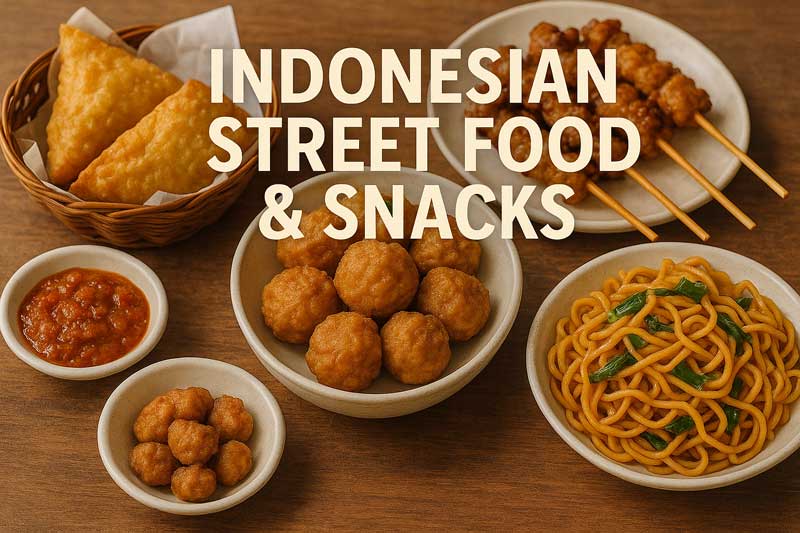
Mie Goreng: A Culinary Welcome
Mie Goreng is a beloved Indonesian fried noodle dish that welcomes both new tasters and longtime fans. In every bite, you feel the warmth of a bustling street market, the glow of a hot wok, and the careful balance of sweet, savory, and smoky notes. This dish is more than a meal; it is a memory of gatherings, simple comforts, and the daily craft of skilled Home Cooks and street vendors alike. in the U.S. kitchen, Mie Goreng often serves as an approachable entry point to Indonesian flavors, inviting you to taste the region’s rich culinary language with confidence.
Core Ingredients and Techniques
The heart of Mie Goreng is easy to recognize: noodles, a savory-sweet sauce, and a quick wok fry. Noodles are usually egg noodles or spaghetti-like strands that take on a glossy coating as they meet the hot pan. The sauce centers on kecap manis, a fragrant sweet-soy glaze that caramelizes and glows. Garlic and shallots add depth, while a touch of chili brings gentle heat. You will often see vegetables like cabbage, carrot, and scallions tossed through, plus eggs that are folded into the mix. Proteins such as chicken, shrimp, or tofu can be added for heartiness, yet the dish remains wonderfully adaptable. The technique matters most: a hot wok, fast tossing, and precise timing to keep the noodles firm, the edges slightly charred, and the vegetables bright. When cooked well, the strands cling with a silky sheen and a subtle smoky finish known as wok hei.
The Flavor Sketch of Indonesian Street Food
Mie Goreng offers a vivid flavor portrait. The sauce brings sweetness from kecap manis, savoriness from soy and umami-rich aromatics, and a gentle tang from lime or pickles in some versions. Even without meat, the dish feels complete because of texture contrasts: chewy noodles, crisp vegetables, and the occasional bite of fried shallots on top. The aroma is inviting—the sizzle of garlic and onion, the toastiness of the wok, and a hint of smokiness in every forkful. This harmony reflects a broader Indonesian street food language, where balance, freshness, and craft come together in a quick, satisfying plate.
The Cultural Significance of Street Food Craft
In Indonesian street food culture, Mie Goreng personifies accessibility and craft. Vendors and home cooks alike celebrate the idea that a delicious meal can emerge from modest ingredients prepared with care. The dish invites sharing, whether in a crowded stall or around a family table. It also demonstrates versatility: cooks adjust the sweetness, heat, and texture to suit seasons, ingredients, and personal preferences. Through these small adaptations, Mie Goreng becomes a canvas for regional nuance while preserving a recognizable core. This shared familiarity makes it a comforting favorite across neighborhoods and markets.
Mie Goreng in the U.S.: A Bridge to Indonesian Flavor
In the United States, Mie Goreng often appears on menus at Indonesian restaurants, in lively hawker-style stalls, and in home kitchens that celebrate international flavors. For fans, it is a flavorful bridge to Indonesian cuisine—a dish that travels well and invites discussion about technique and ingredients. You can find versions that honor tradition with kecap manis and fresh aromatics, while others welcome creative twists like vegetables from local markets or protein options that fit dietary needs. The dish’s adaptability is part of its charm, helping Indonesian food fans feel connected to home while exploring American kitchens and eating venues.
Other Favorites: Snacks and Street Bites for Indonesian Fans in the U.S.
Beyond Mie Goreng, Indonesian street snacks and bites shine in the U.S. too. Crisp krupuk crackers add a satisfying crunch, acar pickles provide bright acidity, and satay skewers offer smoky, tender meat with peanut sauce. Tempting snack items like bakso (meatballs in broth) and gado-gado (vegetable salad with peanut dressing) often appear alongside Mie Goreng in markets and casual eateries. Together, these items form a compact map of Indonesian street flavors that fans savor in social spaces, markets, and family gatherings. The shared joy of tasting, smelling, and sampling creates a lively sense of culinary community.
Tips for Home Chefs: Recreating the Experience
- Start with a hot wok or skillet and prepare all ingredients before you heat the pan. Quick tossing keeps textures bright.
- Use kecap manis for that signature caramel color and gentle sweetness. If you don’t have it, blend regular soy sauce with a small amount of brown sugar to approximate the glaze.
- Balance textures by keeping vegetables crisp and noodles slightly firm. Add proteins and eggs toward the end of the cook.
- Finish with fried shallots and a wedge of lime or fresh cucumber for a refreshing contrast.
- Experiment within your pantry. Carrots, cabbage, and scallions carry the dish’s character just as well as more traditional ingredients.
A Shared Culinary Moment
Mie Goreng stands as a warm testament to Indonesian street food’s beauty and versatility. It celebrates craft, seasonal produce, and the joy of sharing a plate with others. In the U.S., it continues to inspire home cooks and restaurant guests alike, inviting everyone to savor a dish that speaks with clear flavors, bright aromas, and a timeless sense of hospitality. Whether you are exploring Indonesian flavors for the first time or revisiting a favorite, Mie Goreng offers a delicious and culturally rich experience that respects the past while inviting delicious new steps forward.