
Introduction
The dish “Modern Take on Achichuk Salad – Uzbekistani Vegetarian & Vegan Dishes Flavor You’ll Love” invites readers into a bright corner of Uzbek culinary culture. This salad honors freshness, balance, and everyday generosity. It thrives as a vegetarian and vegan option that remains faithful to the spirit of Uzbek cuisine. You will feel the season, the garden, and the warmth of sharing food with others.
Achichuk in Uzbek Culture
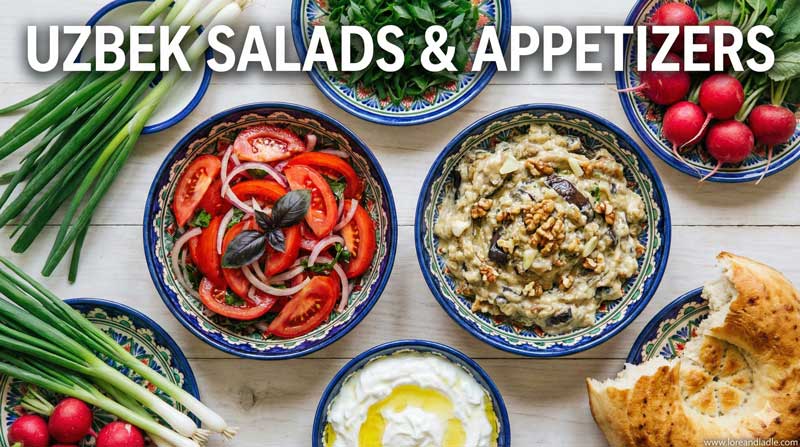
Achichuk is a simple, sun-kissed salad that lives at the heart of Uzbek meals. It rests at the table with plov, breads, and teas, adding color, crunch, and a lift of acidity. The core trio—ripe tomatoes, crisp cucumbers, and sharp onions—becomes a canvas for herbs like dill and cilantro. This combination celebrates garden harvests and quick preparation. The dish embodies hospitality, inviting guests to taste something fresh and vibrant. In everyday kitchens and festive gatherings alike, achichuk speaks of care, clarity, and the joy of eating together. Its beauty lies in balance: the tart brightness of tomatoes, the cool snap of cucumbers, and the sharpened bite of onion all harmonize with green herbs.
The Modern Vegetarian & Vegan Twist
This modern take respects the traditional flavors while embracing vegetarian and vegan practice. It keeps the bright tomato-onion-cucumber core and the herbal echoes, but it champions plant-based dressings and seasonally available produce. Expect a light dressing of olive oil, lemon juice, a pinch of salt, and a touch of pepper. Fresh herbs—dill, cilantro, and sometimes mint—shine through, adding fragrance as you mix. The result is a salad that feels contemporary without losing its root in everyday Uzbek cooking. It becomes a versatile side that can accompany hearty dishes or be enjoyed as a refreshing main on a warm day. The vegan approach emphasizes clean ingredients and transparent flavors, inviting cooks to highlight the produce’s natural sweetness and zing.
Culinary Significance and Technique
Culinarily, achichuk teaches us about speed, precision, and restraint. Slice vegetables evenly for a uniform bite and a pleasing presentation. Thin cuts maximize texture and ensure each forkful delivers a balance of sweet, sour, and herbaceous notes. The dressing should be light enough to brighten the vegetables without dulling their character. Because the dish relies on fresh herbs, add them just before serving to preserve brightness. The modern version often experiments with color and texture—thin cucumber ribbons, cherry tomatoes halved, or a few microgreens—while keeping the dish recognizable. This approach showcases how traditional recipes can evolve through thoughtful technique and plant-forward thinking.
Serving and Social Context
Achichuk is a social dish. It travels from kitchen to table as a communal bowl, inviting guests to serve themselves and chat over a shared plate. In Uzbek homes, it often accompanies plov and bread, offering a refreshing counterpoint to richer dishes. The modern vegetarian version is inclusive, welcoming vegetarians, vegans, and anyone seeking lighter fare. It adapts easily to seasonal markets, where tomatoes, cucumbers, and herbs are at their peak. Garnish with fresh dill or cilantro to accent color and aroma, and serve promptly to preserve crunch and brightness.
A Note on Freshness and Hospitality
Freshness is the star here. The dish speaks to a culinary culture that values garden-to-table simplicity and thoughtful hospitality. By using everyday ingredients, the salad becomes a gesture of care—presented clean, vibrant, and with respect for the guests who will share it. Its vegan friendliness adds to its universal appeal, inviting a wider audience to enjoy the beauty of Uzbek flavors without complication. The result is a bright, approachable dish that embodies generosity, balance, and seasonal delight.
Conclusion
The Modern Take on Achichuk Salad captures the essence of Uzbekistani cuisine in a plate that is both traditional and forward-looking. It honors the love of fresh produce, herbs, and careful technique while welcoming plant-based dining with grace. This dish stands as a testament to cultural value and culinary significance: a humble salad that elevates everyday meals, enhances hospitality, and invites everyone to savor the beauty of seasonal flavors.