
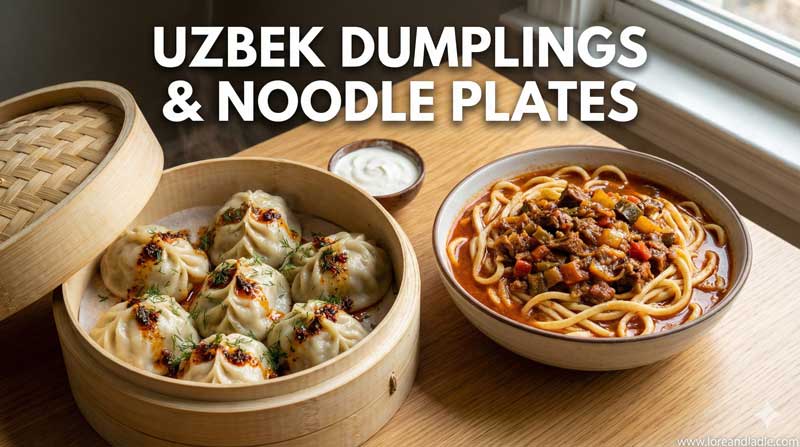
Modern Take on Kebab – Uzbekistani Dumplings & Noodle Plates Flavor You’ll Love
This dish invites you into a warm conversation with Uzbek culinary heritage. It blends familiar kebab-inspired grilling with two beloved Center Asian staples: dumplings and hand-pulled noodles. The result is a plate that feels both timeless and fresh. Its appeal lies as much in technique as in the stories it carries from the table to the kitchen. You’ll sense how culture and craft come together to create something comforting, vibrant, and shareable.
A Culture of Shared Tables: Dumplings and Noodles at the Heart of Uzbek Cuisine
In Uzbek culture, food is a social art. Meals are opportunities to connect, celebrate, and welcome guests with generosity. Dumplings, often called manty, and long, flexible noodles are central to this practice. Manty embodies patience: dough folded around meat, then steamed to softness. Lagman-type noodles showcase hands-on skill, pulled and shaped for a silken bite. The modern take on kebab respects these traditions while inviting new textures and possibilities. The dish becomes a bridge between generations, a way to pass techniques from elder cooks to younger hands, and a reason to gather around a table with friends and family.
From Market Stalls to Home Kitchens: The Significance of Craft
Craftsmanship matters in this cuisine. The dough is kneaded until smooth, rested, and rolled to the right thickness. The dumplings are filled with thoughtfully seasoned meat and onions for balance. Noodles are prepared with a careful touch, because the al dente bite matters just as much as the broth or sauce that accompanies them. The modern presentation honors these steps. Chefs emphasize timing, temperature, and harmony of flavors. In doing so, they honor a culinary language that speaks of patience, skill, and reverence for ingredients.
Flavor as a Cultural Language: Spice, Aroma, and Balance
Culinary values shine through flavor. Cumin, coriander, garlic, and onions often lead the profile, complemented by fresh herbs and a gentle kiss of pepper. The kebab-inspired elements bring a smoky edge that contrasts with the tenderness of the dumplings and the supple chew of the noodles. This balance mirrors Uzbek ideals: warmth and hospitality mingled with precision and restraint. As you taste, you encounter a conversation—soft, bold, and intentionally layered—where each component plays a role in the whole.
Techniques That Tell a Story: Steaming, Shaping, and Searing
Three core techniques anchor the dish’s culinary voice. Steaming preserves the dumplings’ delicate interior while delivering a gentle finish. Shaping dumplings and noodles by hand connects cooks with centuries of practice, carried forward in every careful fold and twist. Searing kebab elements adds a modern spark, bringing a caramelized depth that marries tradition with contemporary cooking style. These methods are more than steps; they are mindful acts that honor personal touch and collective memory.
A Mosaic of Regional Flavors: Ingredients That Reflect Uzbek Identity
Uzbek cooking thrives on regional abundance. The dish can feature beef or lamb with subtle marbling, onions that caramelize to sweetness, and herbs that brighten the plate. Vegetables such as peppers, tomatoes, and greens reveal seasonal pride. The combination of dumplings, noodles, and grilled meat showcases a regional cooking map: hearty, savory, and comforting, yet nimble enough to adapt to what markets offer and what cooks prefer. This adaptability is a mark of cultural resilience—the ability to celebrate local ingredients while inviting new tastes.
The Social Role of Food: Hospitality, Welcome, and Celebration
Hospitality stands at the core of Uzbek dining. A flavorful plate becomes a guest’s welcome gift. The dish invites conversation, sharing, and a sense of belonging. It is common to see friends and family gather around a single platter, passing pieces of dumplings, spooning broth, and ladling noodles with care. Such meals affirm community values and highlight the joy of having others at the table. In this light, the dish is more than sustenance; it is a ritual of togetherness.
How the Modern Take Elevates Tradition Without Distorting It
The modern interpretation respects the essence of manty and lagman while exploring a kebab-inspired twist. It introduces crisp, smoky notes and contemporary plating, but the soul remains intact. The dish demonstrates how tradition can remain alive when chefs listen to their heritage, balance it with current tastes, and present it in a way that welcomes new audiences. The result is a respectful, inviting bridge between past and present.
Experiencing the Dish in Everyday Life: Tips for Appreciation
To savor the cultural value and culinary significance, consider these ideas:
– Focus on texture: notice the contrast between the tender dumplings, the supple noodles, and the smoky edge of the kebab elements.
– Listen for aroma: spices should greet you before the first bite, hinting at family recipes and market-fresh ingredients.
– Observe the pacing: meals like this unfold in courses of conversation, not rush, reflecting hospitality and care.
– Try a memory-prompting pairing: a light cucumber salad or a yogurt-based sauce can heighten freshness and balance.
– Repeat with friends and family: sharing the dish strengthens the sense of belonging and celebration.
The Beauty of Craft, Flavor, and Culture
Ultimately, this dish is a celebration of Uzbek culinary artistry. It honors technique, respects ingredients, and invites everyone to participate in a communal experience. The modern take on kebab—Uzbekistani dumplings & noodle plates flavor you’ll love—offers a delicious entry point into a rich food culture. It stands as a testament to how traditional foods can inspire contemporary kitchens while maintaining their generous spirit and cultural depth.
A Note on Appreciation: Respect, Curiosity, and Craft
As you explore this dish, approach it with curiosity and respect. Appreciate the care that goes into dough, filling, and noodles. Recognize the aromas and textures as expressions of regional identity and time-honored practice. In doing so, you honor the culture that created these dishes and the cooks who keep the flavors vibrant for today’s table. This is not merely a meal; it is a living thread in the tapestry of Uzbek culinary heritage.