
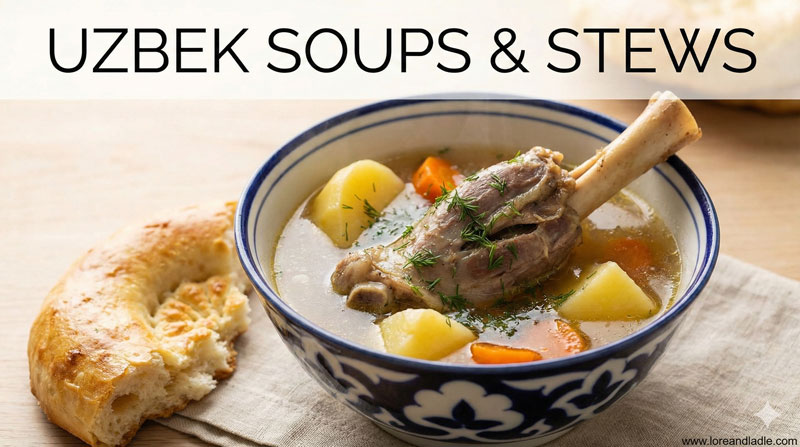
Modern Take on Shurpa – Uzbekistani Soups & Stews Flavor You’ll Love
Shurpa is a celebration of tenderness and tradition. In Uzbekistan, this dish sits at the heart of family tables and festive gatherings. The modern take on Shurpa preserves its spirit while inviting new textures and bright notes. The result is a comforting bowl that speaks to centuries of cooking wisdom and present-day curiosity.
A Tradition of Hospitality and Harmony
In Uzbek culture, food and hospitality go hand in hand. Shurpa feeds body and soul, inviting conversation and shared moments. A good pot of Shurpa signals welcome, care, and patience. The aroma rises first, then the conversation around the kitchen table follows. This dish embodies a quiet elegance: simple ingredients, careful technique, and a sense of belonging. The modern version keeps these values intact, honoring the ritual of serving hot broth to guests as a symbol of generosity.
The Core of Shurpa: Ingredients That Tell a Story
Traditional Shurpa rests on a few dependable elements. Meaty bones or chunks of mutton or beef form a sturdy base. Carrots, onions, and potatoes bring sweetness and body. Tomatoes or tomato paste add a bright, inviting color. Fresh herbs—cilantro (or dill), parsley, and sometimes mint—finish the bowl with a garden-like brightness. Spices like cumin, black pepper, and coriander seeds give a gentle warmth without overpowering the broth. The technique centers on time and attention: a slow simmer, gentle skimming, and careful layering of flavors. The result is a clear, hearty broth that carries every ingredient’s character without heaviness.
The Modern Take: Flavor and Method Evolve
This Modern Take on Shurpa keeps the heart intact while embracing contemporary preferences. Chefs and Home Cooks adapt in thoughtful ways:
- Proteins shift to lean cuts or alternative meats, or use bone-in options for a richer stock without excess heaviness.
- Vegetables expand with bell peppers, turnips, or zucchini, adding texture and seasonal color.
- Tomatoes brighten the broth, delivering a lively base that stays balanced with the spices.
- Fresh herbs are added in stages, providing layers of aroma—from the first simmer to the final garnish.
- Techniques include the use of a quick-sear on the meat to deepen flavor, followed by a long, gentle simmer to coax tenderness from connective tissue.
- Finishing touches may include a splash of citrus lift, a drizzle of chili oil, or a dollop of yogurt to create a creamy contrast against the clear broth.
These updates honor tradition while making the dish accessible to cooks with varying timeframes and ingredient availability. The Modern Take on Shurpa remains faithful to the idea of a shared, soulful bowl, yet it invites personal expression and seasonal adaptation.
Techniques That Elevate Flavor and Clarity
Key techniques shape the experience of this dish. Begin with browning the meat to develop a savory foundation. This step adds depth and color to the broth. Then, simmer slowly, skimming foam and fat, to keep the liquid bright and clean. Layer in vegetables according to their cooking times, so each component contributes its texture at its best. Finish with fresh herbs to spark the aroma and a final stir to marry the flavors. The balance between a clear broth and a robust, comforting filling is the signature of Shurpa, and the modern version keeps that balance intact.
Cultural Significance: Food as a Shared Art
Shurpa is more than a recipe; it is a cultural practice. In Uzbekistan, preparing this dish is a mindful ceremony that brings people together. The act of stirring, tasting, and adjusting together creates a sense of community. The dish travels through generations via memory as much as through bowls and spoons. The Modern Take on Shurpa carries this sense of continuity, inviting new cooks to connect with a long lineage of home cooking while adding their own voice to the story. It is a bridge between heritage and creativity, proving that cultural value can evolve gracefully.
Serving, Pairings, and the Pleasure of the Table
Serve Shurpa steaming hot in a sturdy bowl, accompanied by flatbread or crumbled bread for dipping. A bright herb garnish—cilantro or dill—finishes the top just before serving, inviting the eater to notice the herbal lift. A side of pickles, fresh onion slices, or a small plate of fresh herbs can accompany the meal, enhancing aroma and texture. For beverages, a light tea or a cool water with a squeeze of lemon keeps the palate refreshed between bites. The pairing is simple, yet the experience feels complete: warmth, aroma, texture, and a sense of gathering.
Regional Variations Within Uzbekistan
Across Uzbekistan, cooks put personal touches on Shurpa that reflect local ingredients and family preferences. In some regions, you may find more pronounced tomato sweetness or a touch of paprika for color. In others, herbs dominate the finish, leaving a brighter, greener scent in the air. Regardless of small differences, the dish maintains its core identity: a nourishing, approachable bowl built on clear broth, tender meat, and vegetables slowly coaxed to sweetness. The Modern Take on Shurpa respects these regional flavors while allowing a contemporary cook to experiment with balance and depth.
A Warm Invitation to Create
If you are curious to try this dish, begin with a respectful nod to tradition. Choose a good cut of meat, gather simple vegetables, and prepare a clear, flavorful broth. Then let your palate guide you: add a touch of heat, a citrus note, or a handful of fresh herbs to finish. The aim is to honor the beauty of the original while inviting your own culinary voice. This approach makes Shurpa feel both timeless and personal.
Closing Thoughts: A Dish That Feels Like Home
The Modern Take on Shurpa – Uzbekistani Soups & Stews Flavor You’ll Love is more than a recipe. It is a celebration of technique, seasonality, and communal joy. It respects the past by listening to its flavors, while it welcomes the present with bright tomatoes, varied textures, and thoughtful garnishes. Through every simmer and stir, the dish tells a story of people gathering around a warm pot, sharing conversation, and savoring a comforting moment together. In this way, Shurpa remains a living tradition—vibrant, inviting, and endlessly adaptable to the kitchen of today.