
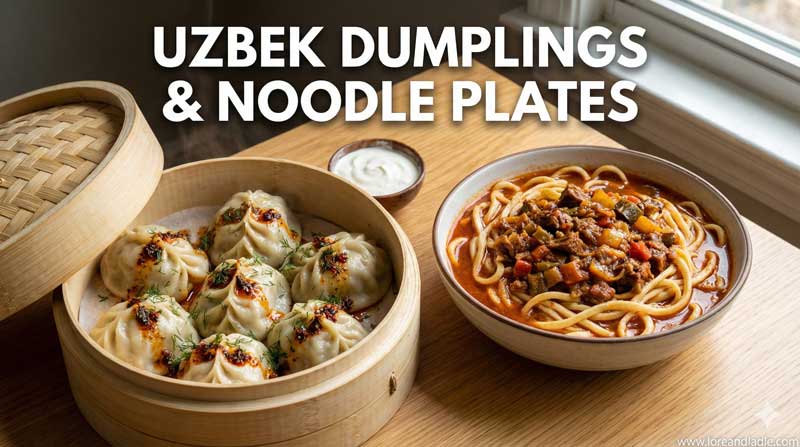
Must-Try Chuchvara – Uzbekistani Dumplings & Noodle Plates Flavor You’ll Love
Chuchvara stands as a beloved face of Uzbek cuisine. This dish, with its small, tender dumplings and warm broth or light sauce, invites you into a tradition built on hospitality, family, and careful craft. The flavors are simple yet unmistakable: meat, onion, and herbs folded into delicate wrappers, then steamed or boiled to a silky finish. The result is a comfort that feels both timeless and freshly inviting.
A Window into Uzbek Hospitality
In Uzbek homes and markets, food is a language of welcome. Chuchvara is often prepared in large batches, a sign that guests are cherished and conversation will flow freely around the kitchen table. Making the dumplings becomes a social ritual—parents teaching children the pinch and pleat, siblings trading stories, neighbors lending a hand. When a bowl arrives at the table, it carries more than warmth; it carries a sense of place, memory, and the shared joy of feeding others. This is the cultural value of chuchvara: nourishment as a ritual of generosity and belonging.
The Craft: Dough, Filling, and Technique
The magic begins with the dough. A simple mixture of flour, water, and salt is kneaded until smooth, then rested. This quiet rest lets the gluten soften, yielding wrappers that are pliable yet sturdy. The filling is humane in its simplicity: finely ground meat—often lamb or beef—with onions, salt, pepper, and sometimes a whisper of herbs. The filling is not a showpiece; it works to harmonize with the wrapper, ensuring each bite delivers both savory meat and the sweetness of onion.
Shaping is where care shines. Each dumpling is pleated with care, a tiny work of art that seals the flavors inside. The dumplings can be steamed and served in a clear, savory broth, or boiled and eaten with a light sauce or dollop of sour cream. Whichever method you choose, chuchvara emphasizes restraint and balance: a wrapper that yields to a juicy center, a broth that perfumes the air without distracting from the filling.
The Cultural Palette: Spices and Pairings
Uzbek cuisine leans on a bright, earthy spice set. In chuchvara, you’ll often taste cumin, coriander, and black pepper, paired with the sweetness of onions and a touch of fresh herbs like dill or parsley. The broth or sauce plays a crucial supporting role, clear and fragrant rather than heavy. Fresh herbs on top add a last, refreshing note. This combination showcases a culinary value: the beauty of restraint. The dish invites you to savor each element—dough, meat, onion, herb—in its own moment, then enjoy them together as a cohesive harmony.
Noodles and Dumplings: A Shared Flavor World
Uzbek cuisine reaches across dumplings and noodles as two expressive forms of texture and technique. While chuchvara delivers a tender bite and steamed fragrance, Uzbek laghman reveals another face of the same culinary family: hand-pulled noodles bathed in a rich, herbaceous sauce with meat and vegetables. Both have a place on the table, celebrated for their artistry and their ability to bring people together. In this sense, chuchvara and laghman illustrate a shared flavor world—one that prizes fresh dough, careful seasoning, and the joy of communal eating.
How to Enjoy and Share
For the fullest experience, savor chuchvara hot, with the broth gently steaming the air around your bowl. Add a pinch of fresh herbs just before tasting, and enjoy the subtle warmth of spice and the tenderness of the dumplings. Pair it with a light tea or a simple bread, letting the flavors mingle without overpowering them. Share a bowl with friends or family and let conversation flow as easily as the steam from the pot. Authentic chuchvara invites you to slow down, notice the textures, and appreciate the care that goes into every bite.
A Gentle Invitation to Taste Uzbek Culture
Chuchvara is more than a dish; it is a doorway to Uzbek culture and culinary artistry. Its small dumplings reflect family craft, its broth and herbs reveal a love of balance, and its role in meals shows how food becomes a language of hospitality. If you seek a meal that feels rooted in place and tradition, this is a delightful choice. The flavor you’ll love is not only in the taste but in the story of hands shaping dough, a kitchen welcoming guests, and a table where everyone leaves a little fuller in heart as well as belly.