
What is Must-Try Chuchvara?
Must-Try Chuchvara is a beloved emblem of Uzbek cooking. These small dumplings are crafted with a thin, tender dough that folds around a savory filling. The meat—often lamb or beef—with onion and herbs becomes the heart of the bite. Steam or boil the dumplings, and they reveal a juicy interior and a delicate wrapper. In Uzbek kitchens, chuchvara is more than food; it is a quiet celebration of skill, patience, and shared warmth. The dish invites you to notice texture—the contrast between a gentle chew and a soft, yielding center—and to savor the simple, direct flavors that reflect careful preparation and respect for ingredients. This is a dish that travels from home kitchens to festive gatherings, always carrying a sense of welcome and care.
The Harmony with Uzbek Rice and Pilaf
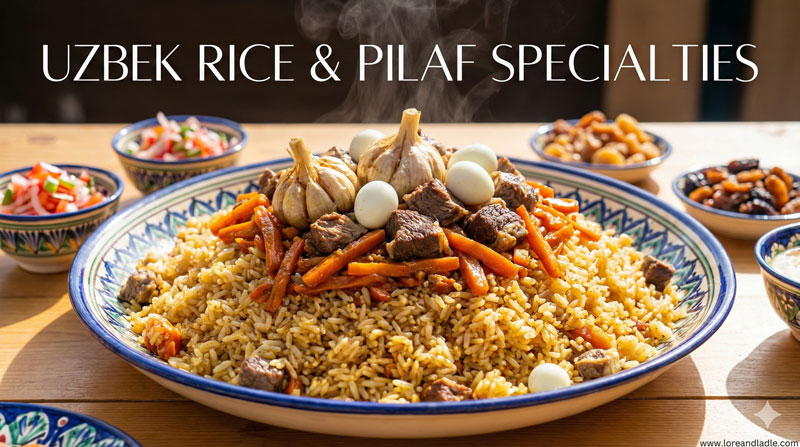
Uzbek cuisine places pilaf, or plov, at the center of many meals. The rice dish is fragrance-rich, often with carrots, onions, cumin, and sometimes saffron. Chuchvara fits beautifully beside pilaf as a complement rather than a rival. The dumplings bring a meatiness that rounds out the sweetness of sautéed carrots and onions in pilaf. When served together, the savoriness of the chuchvara enhances the rice’s warmth, while the broth or light sauce that accompanies chuchvara adds moisture and depth. The pairing creates a balance of textures and flavors that feel both comforting and celebratory. In this way, chuchvara and pilaf become a doorway into the broader kitchen philosophy: meals are a shared journey, built from different components that harmonize through time-tested technique.
Regional Signatures: Samarkand, Tashkent, Bukhara
Uzbekistan’s regional flavors color chuchvara in distinct ways. In Samarkand, you may find chuchvara with a slightly thinner wrapper and a bright, peppery note from fresh onions and herbs. In Tashkent, the filling might lean toward a more robust meat flavor, with a careful balance of onion sweetness. Bukhara offers its own nuance, sometimes featuring a touch of garlic and a hint of cumin that lingers lightly on the palate. These regional variations reveal how cooks adapt a traditional method to local ingredients and tastes, preserving a shared technique while expressing place. Across the country, the underlying craft remains consistent: delicate dough, a fragrant meat filling, and a precise method of folding. The result is a dish that carries regional stories in every bite.
The Craft of Making Chuchvara
The art of chuchvara begins with dough that is soft but resilient. Knead until it gleams with a light sheen, then rest so the gluten relaxes. The filling is a straightforward duet of finely minced meat and onions, seasoned with salt, pepper, and herbs. The key lies in proportion and precision: not too much onion to overpower the meat, not too little to leave the bite dry. Roll the dough thin enough to whisper when you lift a corner, then cut into rounds. A steady hand folds the edges into neat pleats, sealing air inside to keep the centers moist. Steam the dumplings gently or simmer them in broth until they glow with tenderness. Finally, taste and adjust with a touch of fresh dill or coriander, a squeeze of lemon, or a dollop of yogurt to add brightness.
The Table as a Cultural Ritual
In Uzbek homes, chuchvara often arrives at the table with a sense of ceremony. Families gather to prepare, share, and enjoy together, turning cooking into a social ritual. The act of wrapping each dumpling becomes a moment of connection, a way to pass down memory and technique. When served, the dumplings sit alongside a clear broth or a light sauce, inviting conversation and slow savoring. Hospitality shines in the careful plating, the gleam of steam, and the inviting aroma of onions and meat. This dish embodies a culture that honors generosity, patience, and the joy of a meal prepared with care for loved ones. It is not merely sustenance; it is an expression of welcome and belonging.
Flavor Notes and Pairings: Herbs, Spices, and Broth
Chuchvara offers a canvas of clean, comforting flavors. The meat filling brings warmth, while onions provide a natural sweetness that upgrades with browning. Fresh herbs—dill and cilantro—lift the filling with a bright herbal note. A light touch of cumin and black pepper adds a respectful spice without overpowering the dish. The broth or sauce in which the dumplings are served can be clear and soothing, perhaps a hint of carrot sweetness from the pilaf alongside. For those who like contrast, a small spoon of yogurt with garlic or a squeeze of lemon can brighten the plate. The result is a harmonious balance that resonates with the gentle richness of Uzbek rice dishes, especially when the chuchvara is enjoyed as a companion to pilaf.
How to Experience It: Home Kitchens and Dining Rooms
To experience authentic chuchvara, start with patient preparation. Choose fresh, lean meat and onions with a sweetness that comes from long cooking rather than heavy spice. Roll the dough evenly, aiming for a wrapper that is thin yet strong. Practice pleating with care; let each dumpling close with a small pinch, ensuring a secure seal. Steam until the wrappers are tender, then serve hot with a clear broth. If you prefer, boil gently and finish with a light drizzle of broth and fresh herbs. In restaurants, look for chuchvara as a starter or as part of a set that includes pilaf. Seek a menu that respects regional variations and highlights the dish as a part of Uzbek culinary heritage. Enjoying chuchvara in a warm, quiet setting makes the experience even more meaningful.
A Taste of Uzbek Identity Through Food
Chuchvara embodies a way of cooking that values balance, technique, and seasonal ingredients. It speaks to a culinary identity that prizes family, hospitality, and the joy of shared meals. The dish demonstrates how a few well-chosen components can create depth: the dough’s resilience, the meat’s heartiness, the onions’ sweetness, and the aroma of herbs. When paired with rice and pilaf flavors, chuchvara reveals a broader cultural palette—one that embraces skill, artistry, and the pleasure of nourishing others. It invites travelers and locals alike to appreciate a cuisine built on careful craft, generous portions of warmth, and a continual sense of discovery at the table.
Conclusion: A Timeless Favorite
Must-Try Chuchvara is more than a delicious bite. It is a doorway into Uzbek culinary culture, where technique, family, and hospitality come together. The dish speaks to a tradition of careful preparation and thoughtful flavor pairing, especially with the beloved pilaf. Its regional variations offer subtle changes while preserving a common core: small dumplings that comfort, textures that delight, and a shared moment of warmth around the table. Whether you savor it at a kitchen counter or in a dining room, chuchvara carries the beauty of Uzbek food culture in every pleat and every savory mouthful. Embrace this dish as a celebration of craft, community, and the timeless palate of Central Asia.