
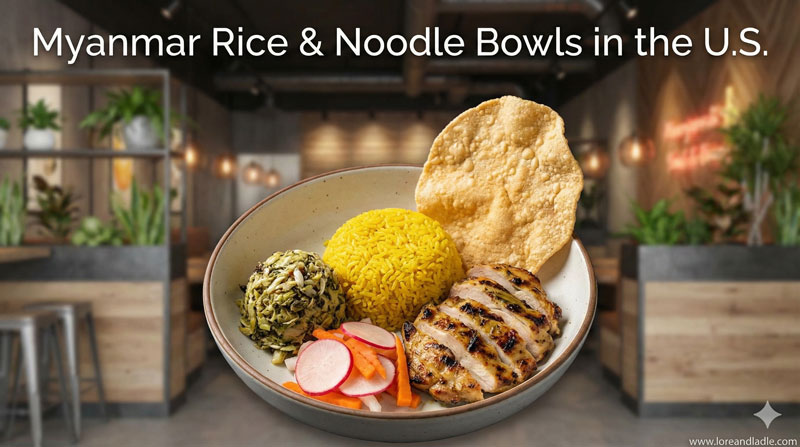
Must-Try Myanmar Rice & Noodle Bowls in the U.S. for Your Next Dinner Party
Myanmar’s rice and noodle bowls bring warmth, aroma, and a bright sense of place to the table. in the United States, these bowls are increasingly easy to find and celebrate. This post highlights their cultural value and culinary significance, offering ideas you can try at Home or order at welcoming restaurants. The goal is a dinner party that feels inviting, thoughtful, and delicious.
The Cultural Palette of Burmese Bowls
Burmese bowls center on balance. Each bowl mixes hearty noodles or rice with broth, herbs, and a careful blend of flavors. You’ll taste sour notes from lime or tamarind, salty depth from fish sauce or ngapi, subtle sweetness, and fragrant herb suggestions. This balance reflects everyday meals built for sharing, conversation, and comfort. The bowls emphasize freshness—from mint and cilantro to crunchy fried onions—and the idea that a single dish can weave together different textures and aromas in harmony.
Core Flavors and Techniques
A few techniques and ingredients recur across Burmese rice and noodle bowls:
- Broth bases that mingle aromatics like lemongrass, garlic, and shallots with a gentle spice.
- Flat rice noodles that soak up broth and sauce without losing their bite.
- Fresh herbs and crunchy toppings that add brightness and texture.
- A touch of heat or tang that wakes the palate, followed by cooling herbs.
- Finishing touches such as ground peanuts, sesame, or fried garlic for depth.
These elements make each bowl a compact lesson in Burmese culinary craft: simple components brought together with precision, care, and a sense of ceremony.
Signature Bowls to Seek in the U.S.
- Shan Noodle Bowls: These often feature flat rice noodles in a mild curry-style broth, paired with chicken, tomato, and sesame oil. Toppings like fried onions, peanuts, and a squeeze of lime elevate the dish and emphasize regional Burmese flavors.
- Mohinga-Inspired Bowls: Mohinga is a beloved Burmese classic, typically a fish-based broth with rice noodles. In bowl form, it becomes a comforting, aromatic experience—brightened with herbs, lime, and chili oil.
- Meeshay Bowls: Meeshay offers a satisfying contrast of soft noodles, a savory sauce, and crisp vegetables. A finish of sesame, peanuts, and herbs gives the bowl texture and height.
- Coconut-Milk Noodle Bowls: Creamy coconut milk pairs with turmeric and delicate seasonings to create a gentle, comforting base. This style highlights the dairy-soft warmth and rounds out the spicy and sour notes with smooth richness.
In the United States, these bowls often appear with customizable toppings, making them approachable for a dinner party while staying true to Burmese roots.
Texture, Color, and Plate Presence
The beauty of Burmese rice and noodle bowls lies in their texture play. Silky noodles meet a crisp topping, while bright greens contrast with warm broth. Colorful garnishes—coriander, lime wedges, chili slices—make the dish inviting at first glance. A well-composed bowl feels both comforting and celebratory, perfect for a special dinner party or a casual gathering.
How to Host a Burmese-Inspired Table
- Start with a warm welcome and set the tone with fragrant herbs at the table. A simple centerpiece of cilantro, mint, and lime can echo the dish’s flavors.
- Serve bowls family-style for a shared experience. Provide each guest with a main bowl and allow for individualized toppings.
- Offer a couple of light sides, such as cucumber salad or a fresh herb platter, to complement the bowls without overpowering them.
- Emphasize balance: a bright lime wedge here, a touch of crunch there, and a spoonful of chili on the side for those who want more heat.
Sourcing and Preparation Tips
- Look for fresh herbs, lime, and crisp vegetables to brighten the bowls.
- Choose rice noodles or flat noodles that hold up well in broth.
- If ngapi or fish sauce is new to your pantry, start with small amounts and adjust to taste.
- When preparing at home, aim for a quick, fresh broth with clear aromatics and a gentle simmer.
The Cultural Value and Culinary Significance
Myanmar’s rice and noodle bowls celebrate daily life and shared meals. They showcase how simple ingredients, when balanced with care, can become expressive and memorable. The bowls are a bridge between regions, inviting cooks and guests to explore textures, aromas, and flavors in a single, satisfying eating experience. For a dinner party, they offer a respectful, inviting way to honor tradition while enjoying contemporary presentation and accessibility.
Why They Shine at a Dinner Party
- They invite conversation: guests add toppings and flavors to suit personal tastes.
- They reward attention to detail: fresh herbs, crisp toppings, and bright acidity elevate the experience.
- They bring warmth and hospitality: bowls feel welcoming and generous, encouraging lingering at the table.
- They provide a cultural through-line: a dish can tell a story of place, techniques, and shared meals without being overly elaborate.
A Closing Thought
Must-Try Myanmar rice and noodle bowls in the U.S. offer more than nourishment. They provide a doorway into Burmese culinary artistry—an opportunity to savor balance, technique, and community through a single, comforting bowl. Whether you host a formal dinner or a casual night with friends, these bowls can anchor your table in flavor, history, and shared delight.