
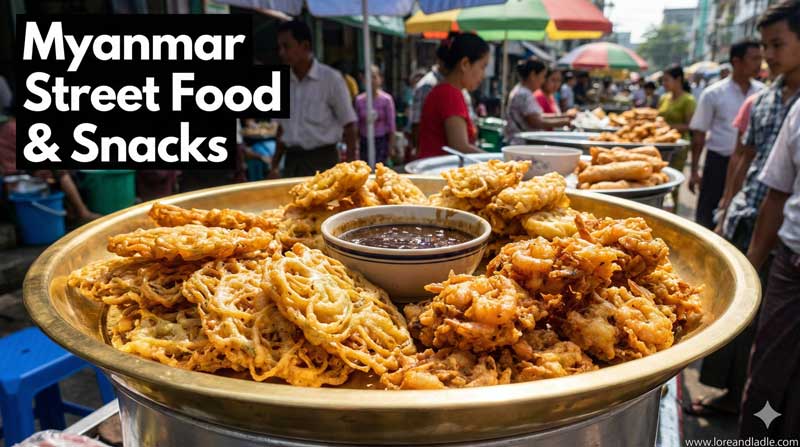
Introduction
Ready to host a dinner party that feels lively, colorful, and deeply connected to a place? The dish Must-Try Myanmar Street Food & Snacks for Your Next Dinner Party invites guests to explore a street-food landscape that is bold, balanced, and beautifully communal. This guide highlights the cultural value and culinary significance behind these bites, showing how each dish tells a story through aroma, texture, and freshness. Expect bright herbs, smoky notes, and a harmony of sweet, sour, and savory flavors that celebrate Myanmar’s everyday cooking.
A Cultural Conversation in Every Bite
Myanmar street food is a daily chorus of markets, sidewalks, and open-air stalls. Each plate echoes regional harvests, family favorites, and practical techniques passed down through generations. Sharing small plates at a party mirrors the social warmth of Myanmar kitchens, where bites are meant to be tasted together. The experience emphasizes generosity, balance, and attention to seasonality. A single nibble can reveal layers of fish stock, fermented flavors, or crisp fried dough that speak directly to local markets and home kitchens alike. In this dish, you’ll sense how Burmese cooks harmonize herbs, chilies, and citrus to create dishes that feel both comforting and exciting.
Signature Dishes to Include
-
Mohinga — a fragrant fish-based noodle soup that feels like a morning ritual transported to a dinner party. Its broth blends fish, lemongrass, garlic, and lime, underscoring how Burmese cooks build depth with simple ingredients. Serve in small bowls to encourage sampling and conversation as guests “slurp and savor” the comforting aroma.
-
Lahpet Thoke (Fermented Tea Leaf Salad) — a crunchy, tangy salad that pairs tea leaves with toasted nuts, sesame, and airy crunch. It embodies fermentation’s playful, bright character and showcases how Myanmar uses tea leaf as a versatile ingredient beyond a beverage. This dish invites guests to contrast textures and explore a nuanced, savory finish.
-
Nan Gyi Thoke (Rice Noodle Salad) — a colorful, hearty mix of thick rice noodles, chicken or shrimp, herbs, and a creamy turmeric-laced sauce. It’s a communal dish by design, inviting guests to mix and mingle as the flavors unfold. The bold sauce and soft noodles demonstrate the Burmese knack for turning everyday ingredients into a celebration.
-
Balachaung (Dried Shrimp Relish) — a savory, salty relish often enjoyed with crisp breads or fried dough. It delivers a strong umami lift and a playful, spreadable texture. Balachaung teaches balance: a little goes a long way, but its impact lingers, prompting conversation about layering flavors.
-
Mont Lin Ma Yar (Sesame Fritters) — small, crisp fritters with sesame and a hint of sweetness. These bite-sized comforts highlight street-snack charm: crisp outside, tender inside, and easy to share. They bring a comforting crunch to the table and a whisper of sweetness to end on a bright note.
-
Burmese Samosa (Pakora-style Fritters) — flaky pastry pockets filled with potatoes, peas, and spices. They add a warm, aromatic contrast to fresh herbs and tangy salads. Samosas echo the way street stalls blend familiar textures with fragrant spice blends.
-
Shwe Yin Aye (Coconut Milk Dessert) — a cooling, silky finish that pairs coconut, milk, jelly, and nuts. It closes the tasting with soft sweetness and refreshing calm, a reminder that Burmese desserts can be both comforting and elegant.
Pairing and Presentation
Pair these bites with a simple black tea, lightly sweetened, to echo a traditional Burmese palate. Fresh lime wedges and tiny herb sprigs lift the citrusy notes, while crisp cucumbers or sliced okra offer refreshing contrast. Plate with color: greens from herbs, the pale cream of Mohinga, the amber glow of fried snacks. Share plates encourage conversation and mimic the social rhythm of a Yangon or Mandalay market stall.
The Craft Behind the Plate
The beauty of these dishes lies in the craft of balanced seasoning and fresh ingredients. Every item relies on a core trio: a bright acidic note, a savory depth from stock or paste, and a textural counterpoint from crunch or silkiness. Cooks choose ingredients that reflect local markets—fresh fish, fragrant herbs, toasted nuts, and fermentations—showing how technique and place shape flavor. This approach makes the dish not just a meal but an invitation to explore Myanmar’s culinary language.
A Thoughtful Culinary Experience
Must-Try Myanmar Street Food & Snacks for Your Next Dinner Party offers more than taste. It provides a doorway into everyday culture, where sharing, making, and savoring are acts of hospitality. The dishes honor regional flavors, celebrate simplicity, and remind us that dinner can be a voyage through a single country’s street-food heart. As guests taste and talk, the experience becomes a respectful, joyful celebration of Myanmar’s rich food culture.