
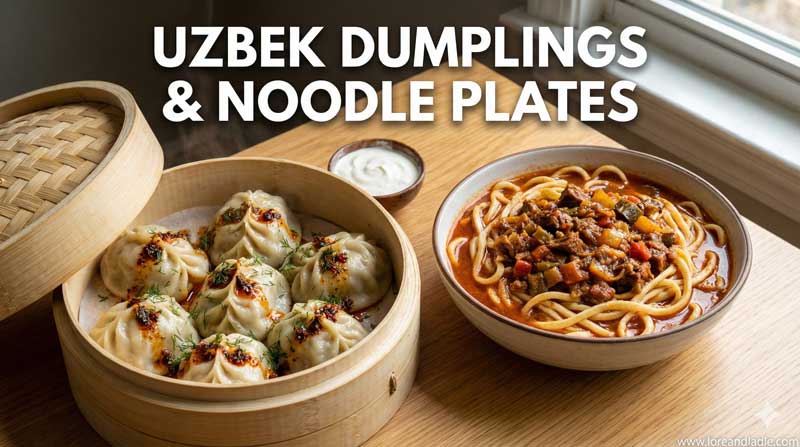
Must-Try Qazi: Uzbekistani Dumplings & Noodle Plates Flavor You’ll Love
Qazi is a celebration on a plate. In Uzbekistani kitchens, it blends two beloved traditions: plump dumplings and silky noodles. The result is comforting, bright, and inviting. Each bite carries the warmth of home and the care of careful hands.
The Heart of Uzbek Dumplings
Dumplings in Uzbekistan shine with a delicate, resilient dough and a savory filling. Manty, as a close relative of Qazi, often uses lamb or beef with onions and a whisper of cumin. The dough is rolled thin enough to glow at the edges yet sturdy enough to cradle its juices. When steamed, the filling stays moist and fragrant, releasing a gentle aroma of garlic and pepper. This balance—soft wrapper, flavorful interior—is a cornerstone of Uzbek dumpling technique and a signature of the Qazi experience.
Noodles: Threads that Tie Flavors Together
Noodles in Central Asian cooking carry a sense of craft and rhythm. In Qazi, hand-cut or expertly rolled noodles provide a tender counterpoint to the dumplings. The noodles carry their own character: a mild, comforting bite that absorbs the meat’s juices and the herb-scented sauce. This partnership between dumplings and noodles is where texture and taste converge, creating a plate that feels both hearty and refined.
The Harmony of Textures and Spices
In Qazi, texture and aroma work in harmony. The dumplings offer a chewy bite and a juicy center, while the noodles offer a soft, silky glide. The spice blend—cumin, coriander, garlic, and onions—lends warmth without overwhelming the palate. Fresh dill and chopped herbs brighten the dish, adding green, grassy notes that lift the meatiness. The result is a dish that feels balanced: depth from the meat, brightness from the herbs, and comfort from the noodles.
Cultural Practice: Cooking as a Family Craft
Behind Qazi lies a tradition of shared labor and patient instruction. Families gather to prepare dumplings and roll noodles, with elders guiding younger cooks in shaping the wrappers and sealing the edges. The process becomes a quiet lesson in care, technique, and rhythm. As the dish comes together, it carries stories of kitchen practice and everyday artistry, making meals more than sustenance but also a living tradition.
Regional Variations and Local Pride
Across Uzbek cities, small differences give each Qazi its own voice. In some regions, fillings lean toward lamb with extra onions; in others, beef with a touch of pepper prevails. The noodle texture may vary from slender strands to broader cuts, reflecting local preferences. These nuanced differences celebrate regional pride while preserving a shared Love for the dish and its method. The result is a family-friendly dish that adapts while staying true to its roots.
Serving and Savoring: What to Look For
Serve Qazi hot to capture the full aroma of the steam and herbs. A dollop of yogurt on the side or a drizzle of chili oil can enrich the plate with tang and warmth. Fresh herbs—dill, cilantro, or parsley—brighten each bite. Pair with a crisp cucumber salad or lightly pickled vegetables to balance richness. Enjoy slowly, letting the broth and herb notes mingle with the dumplings and noodles.
A Bridge to Uzbek Culinary Identity
Qazi stands as a vivid example of Uzbek culinary artistry. It celebrates the generosity of shared meals, skillful dough work, and the harmonious pairing of dumplings with noodles. This dish embodies the beauty of everyday kitchen craft and the joy of inviting others to the table. Through Qazi, the flavors of Uzbekistan become a welcoming, memorable experience for locals and visitors alike.
In sum, Must-Try Qazi offers a delicious doorway into Uzbekistani cuisine. It highlights dumpling mastery, noodle craftsmanship, and a culture that values hospitality, family, and meticulous flavor. Try this dish to taste the warmth, texture, and artistry that define traditional Uzbek food.