
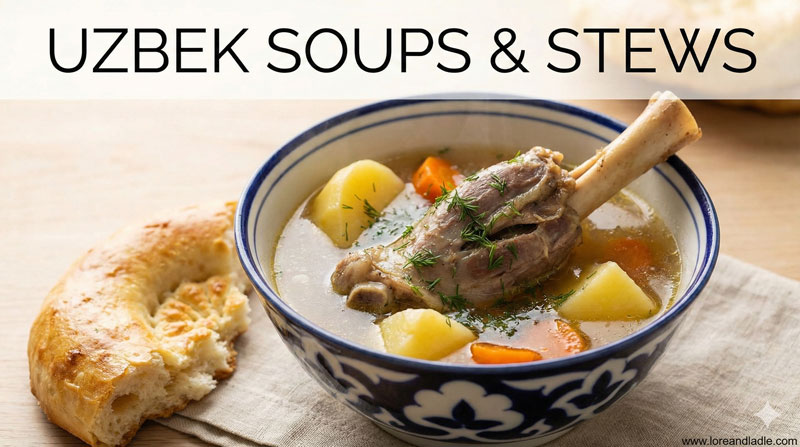
Must-Try Tandoor Bread – Uzbekistani Soups & Stews Flavor You’ll Love
Imagine a round loaf that carries the warmth of a clay oven, the scent of toasted sesame, and a gentle char that speaks of shared meals. This is the essence of must-try tandoor bread in Uzbek cuisine. It is more than bread; it Is a daily ritual, a symbol of hospitality, and a quiet conductor of flavor. When you pair it with Uzbekistani soups and stews, you get a taste that feels both timeless and inviting. This post explores its cultural value and culinary significance, inviting you to see why the bread is cherished in households and markets alike.
What is Uzbek tandoor bread, and why is it special?
Tandoor bread, called non in Uzbek kitchens, is baked in a clay oven called a tandoor. Bakers prepare a supple dough from simple ingredients—flour, water, salt, and a touch of yeast. The dough rests until it relaxes, then stretches and flattens a bit before it meets the blistering heat of the tandoor. in the oven, the bread takes on a blistered, lightly charred crust and a soft, fragrant interior. Sesame seeds or nigella seeds often crown the top, adding a nutty aroma and a hint of crunch.
This bread is not a mere side; it is a companion that carries the essence of a meal. It is designed to be torn by hand, shared around the table, and used to swipe up broths, oils, and spices. In Uzbek households, the ritual of bread is quiet and meaningful. It invites conversation, signals hospitality, and frames the way families approach cooking and eating.
A window into Uzbek culinary culture
Culturally, non represents more than sustenance. It embodies balance between simplicity and craft. The recipe travels through generations, evolving with each baker’s touch while staying rooted in tradition. Bakers in Uzbek cities, towns, and villages bring a practiced hand to shaping the dough, scoring the surface, and coaxing the perfect bake from the clay oven. The process connects people to place—the warmth of the oven, the rhythm of the street market, the aroma drifting from a kitchen window.
The loaf also reflects social customs. Sharing a loaf at the start of a meal is a gesture of generosity, signaling that guests are welcome and valued. This spirit of openness complements the way soups and stews are prepared. In Uzbek cuisine, soups and stews—such as clear broths and heartier meat stews—open with a bread-forward approach. The bread is used to test the breadth of flavors, to capture a spoonful of soup, and to savor the finish of each bite. In this way, non helps to frame conversations at the table, guiding guests through a meal with tact and warmth.
The flavor you’ll notice when tandoor bread meets soups and stews
When you dip a torn piece of non into a steaming bowl, you release a cascade of aroma. The crust delivers a gentle crack, followed by a soft, chewy interior that absorbs flavors without becoming soggy. The sesame-topped crust adds a nutty note, while the slightly salty dough pairs perfectly with the natural sweetness of vegetables and the rich depth of meat broths.
This bread’s texture harmonizes with a range of soups and stews. In lighter broths, a torn piece can soak up broth and herbs, making each bite feel silky and balanced. In heartier stews, the bread stands up to dense sauces and tender meat, acting as a vehicle and a partner. The result is a duet of textures and tastes: crisp crust meeting soft crumb, delicate spice meeting robust richness, and seasonings that linger in the crumb long after the broth is gone.
The culinary significance in Uzbekistani soups and stews
Uzbek soups and stews are often built on depth—slow-simmered broths, aromatic herbs, and meat that’s fallen from the bone. Non plays a crucial supporting role here. It adds body to the meal, offering a portable vehicle for scooping and savoring. Because bread is eaten with hands in many traditional settings, non also enhances the tactile experience of eating. You feel the heat of the broth, the texture of the meat, and the crumbly success of bread as it soaks up a final, fragrant drop of broth.
From a culinary perspective, non helps balance flavors. The bread’s slight saltiness and bread-like sweetness create a clean counterpoint to the savory, spiced notes found in Uzbek soups and stews. The dough’s natural elasticity gives it resilience, so it holds together even when dunked into a juicy stew. In practice, cooks use non to pick up herbs, vegetables, and meat, weaving together the final bites into a cohesive, comforting experience.
How non is produced and what it teaches us about craft
The craft of tandoor bread reveals a deep respect for technique and time. The dough rests to develop gluten; this rest period translates into a bread that is both strong and tender. When shaped, the dough is carefully stretched to maintain an even thickness. The top may be brushed with water and sesame seeds for aroma and texture. The tandoor’s heat seals the crust quickly, creating a blistered surface while preserving a fluffy interior.
This process teaches a broader lesson about culinary care. Great bread emerges from simple ingredients, precise timing, and a steady flame. The result is reliable, comforting, and deeply rooted in daily life. By observing this craft, diners gain appreciation for how food cultures translate technique into everyday joy.
Serving ideas: how to enjoy must-try tandoor bread
- Tear and dip. Take a round piece, tear it into chips, and dip into a steaming bowl of shurpa or vegetable stew. The bread will soak up the broth and carry the spice blends with it.
- Scoop generously. Use a thick slice to scoop up chunks of meat and vegetables, letting the crust catch the last, flavorful drops.
- Combine with side dishes. Pair the bread with a dollop of hot sauce, a spoonful of yogurt, or a plate of pickled vegetables. The contrasts in texture and temperature enhance the meal.
- Finish with aroma. A final brush of butter or a light drizzle of olive oil can elevate the crust’s scent and gently enrich the crumb.
Harmony with other Uzbek dishes
The bread’s versatility shines when paired with soups like clear broths that highlight herbs such as dill, cilantro, and parsley, as well as with richer stews that include lamb, beef, or carrots. It also pairs well with pumpkin or squash-based soups when you want a touch of sweetness to balance the savory notes. In all cases, non remains a constant anchor, a bread that adapts to flavor and helps guests navigate the meal with ease.
A cultural moment at the table
Across households, markets, and small eateries, the presence of non signals a moment of welcome. People smile as they tear bread, share stories, and pass bowls around the table. This simple act creates a sense of belonging and continuity. For visitors, tasting non with Uzbekistani soups and stews offers a doorway into everyday life—one that is warm, hospitable, and rooted in the joy of cooking and eating together.
Tips for recreating the experience at home
- Seek a hot oven or a pizza stone. A well-heated surface helps mimic the crisp crust and soft interior of tandoor-baked bread.
- Brush with sesame seeds. Lightly press sesame seeds into the dough’s surface for aroma and a subtle nutty finish.
- Use high-gluten flour. Bread with good gluten structure yields a satisfying chew that holds up when dunked.
- Rest the dough. Allow the dough to rest long enough to develop flavor and strength, especially if you’re making several loaves.
Why this dish matters in culinary culture
Must-Try Tandoor Bread is a celebration of daily life and regional taste. It embodies how simple, well-made ingredients can become the focal point of a meal. It teaches a respect for tradition while inviting experimentation at the table. It shows how bread can be a social ritual—inviting guests, encouraging conversation, and enhancing the flavors of soups and stews. The bread’s place in Uzbek cuisine highlights a culinary philosophy that values balance, community, and a mindful approach to cooking.
A respectful invitation to explore
If you are curious about Uzbek flavors and cooking rituals, start with non. Observe how it stands at the center of a meal, how it carries aroma and texture, and how it transforms the way we enjoy soups and stews. This bread is more than a staple; it is a living link to everyday culture, a bridge between the flame of the tandoor and the warmth of the table.
Conclusion
Must-Try Tandoor Bread – Uzbekistani Soups & Stews Flavor You’ll Love offers more than nourishment. It presents a cultural practice grounded in craft, hospitality, and shared meals. The bread’s texture, aroma, and ability to pair with a range of broths and stews reveal the beauty of Uzbek culinary traditions. By savoring non, you celebrate a cuisine that honors everyday life, craftsmanship, and the joy of eating together. Whether you’re savoring a bowl of shurpa or dipping into a hearty stew, this tandoor bread invites you to slow down, listen to the crack of the crust, and appreciate the quiet poetry of a table well set.