
Introduction
Must-Try Tandoor Bread – Uzbekistani Rice & Pilaf Specialties Flavor You’ll Love invites you to explore a dish that sits at the heart of everyday meals and festive gatherings. This bread is more than food; it’s a cultural touchstone that carries aroma, texture, and memory from hands to hearth to table. In Uzbek cuisine, plov (pilaf) anchors the meal, and the tandoor bread serves as a graceful companion, enriching each bite with smoky depth and comforting softness. Together, they reveal how simple ingredients can express warmth, hospitality, and shared savor.
Cultural Roots of Tandoor Bread
Tandoor baking rests in a long-standing tradition of clay ovens shaped by craft and community. In Central Asia, such ovens are a familiar feature of kitchens and markets, guiding families through daily meals and special occasions alike. The bread born from these ovens often takes a disk or oval form, pressed gently onto the inner wall and baked in a fierce, dry heat. The dough is straightforward: flour, water, and salt, with optional yogurt or milk that can tenderize the crumb. Fermentation and careful kneading bring texture and lift. The result is a blistered crust with a soft, airy interior—a contrast that mirrors the balance found in Uzbek flavors: robust, earthy, and warmly welcoming.
The Tandoor: Heat, Craft, and Flavor
Baking in a tandoor is both art and discipline. The baker’s skill unfolds in timing, dough handling, and the feel of the oven’s heat. High temperatures caramelize sugars quickly, creating a kiss of caramel notes on the crust. The dough meets the clay walls with a gentle pressure, creating an even, blistered surface. This craft elevates bread from sustenance to a sensory experience. When you bite into a piece, you sense the effort of years of practice, the clean snap of the crust, and that signature tender crumb that carries a whisper of smoke. It’s a savor born from craft and patience as much as from ingredients.
Uzbekistani Rice & Pilaf: A Perfect Pairing
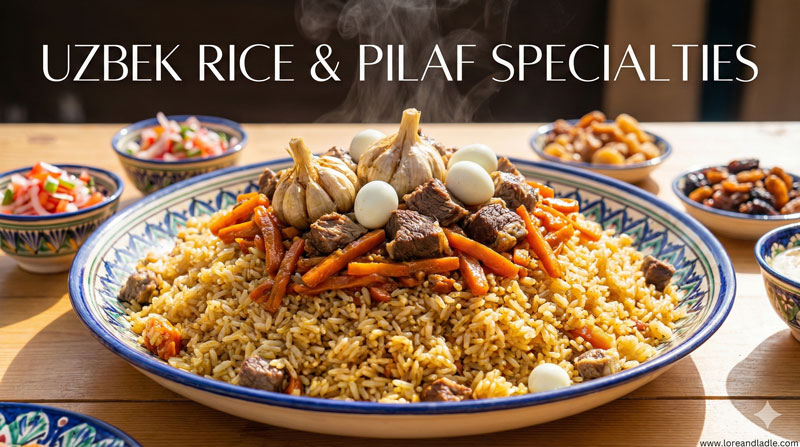
Pilaf is a celebrated centerpiece in Uzbek cooking, a dish that layers texture, aroma, and color. Long-grain rice mingles with onions, carrots, and spices like cumin and coriander, sometimes meat for depth. The tandoor bread arrives as a graceful foil—crisp on the outside, soft inside, designed for scooping and tearing. The bread’s mild, toasted notes complement the savory richness of pilaf, offering a balance that invites slow, deliberate tasting. The combination reveals a culinary philosophy: modest ingredients can carry a grand sense of place when paired with technique, rhythm, and shared enjoyment.
The Social Fabric of Bread on the Table
Bread in Uzbek meals is more than nourishment; it’s a signal of hospitality and care. It welcomes guests and marks moments of connection. At the table, bread is shared, torn into pieces, and passed with a smile. This act strings together generations of cooks and families, turning a simple loaf into a thread that weaves people together. The tandoor bread also pairs with soups, salads, and yogurt-based sauces, acting as a versatile bridge between courses. In every bite, you sense the intention to nourish and to encourage conversation and warmth around the table.
Craft and Tradition: Bakers and Ovens
The craft of producing tandoor bread blends tradition with technique. Bakers maintain the oven’s warmth, season the flour with precise measurements, and temper the dough with time and care. Subtle regional touches—slightly different dough hydration, or the occasional sesame seed finish—add nuance while preserving the bread’s essential character. This dedication to craftsmanship reflects a broader culinary value: respect for the simplest ingredients, transformed by skill into something memorable. Each loaf is a small workshop of flavor, texture, and cultural memory.
Regional Variations and Seasonal Touches
Across regions, you’ll find gentle variations that honor local tastes and harvests. Some loaves lean toward a thinner, crisper crust, while others hold a heartier bite. The dough may incorporate dairy in places, yielding a richer crumb, or it may stay dairy-free for a leaner profile. Seasonal additions, such as seeds or herbs, nod to local gardens and markets. Yet the core remains the same: a round or oval bread baked hot in a clay oven, ready to partner with the savory depth of pilaf and the bright notes of onions, carrots, and spices. These subtle differences celebrate regional pride while sustaining a shared culinary language.
Savoring and Sharing: How to Experience It Fully
To truly enjoy this dish, combine observation with tasting. Notice the bread’s aroma—smoky, toasty, almost nutty. Listen for that gentle crack as you bite, and feel the contrast between crust and crumb. Pair a warm slice with pilaf to experience how the flavors unfold together. A bite with a dollop of yogurt-based sauce or a touch of fresh herbs can elevate the experience, highlighting balance rather than overpowering it. The joy lies in slow savoring, mindful chewing, and the sense of being at a table where food and conversation flow freely.
Bringing It Home: A Practical Note
If you’re recreating the spirit of Must-Try Tandoor Bread at Home, seek a bread with a similar profile: a blistered, crisp crust and a soft interior that can soak up pilaf juices without losing structure. Look for high-heat baking options or a home oven’s broil setting to mimic the intense fire of a tandoor. The goal is to honor the texture, aroma, and comfort that define this bread’s cultural value, even when you’re miles from the original oven.
Conclusion
Must-Try Tandoor Bread – Uzbekistani Rice & Pilaf Specialties Flavor You’ll Love offers more than taste. It presents a doorway into a culinary culture that values hospitality, skill, and harmony between simple ingredients and thoughtful technique. The bread’s smoky crust, tender crumb, and perfect companionship with pilaf tell a story of meals that celebrate togetherness. By appreciating this dish, you can savor not only food but a living tradition—one that invites you to share, learn, and enjoy the timeless beauty of Uzbek cuisine.