
Introduction: A flavorful meeting of tradition and invention
Classic vs Modern Takes on Myanmar Chicken Recipes invites readers to explore how a single dish concept can live in two moods. The focus here is the cultural value and culinary significance of Myanmar chicken traditions. You will discover how timeless techniques meet fresh ideas, all while honoring the ingredients that make Burmese cooking so inviting. The result is a menu of layers: warmth, aroma, texture, and shared moments around the table. This post celebrates the beauty of Myanmar chicken dishes and the way they travel from kitchen to table with grace and joy.
Classic Burmese Chicken Dishes: Core flavors and techniques
Classic Myanmar chicken recipes rely on balance, depth, and clear technique. A common base starts with onion, garlic, and ginger, then introduces turmeric for glow and warmth. Tomatoes or coconut milk may enrich the sauce, while lime or tamarind adds brightness. Fresh herbs finish the dish, offering aroma and color.
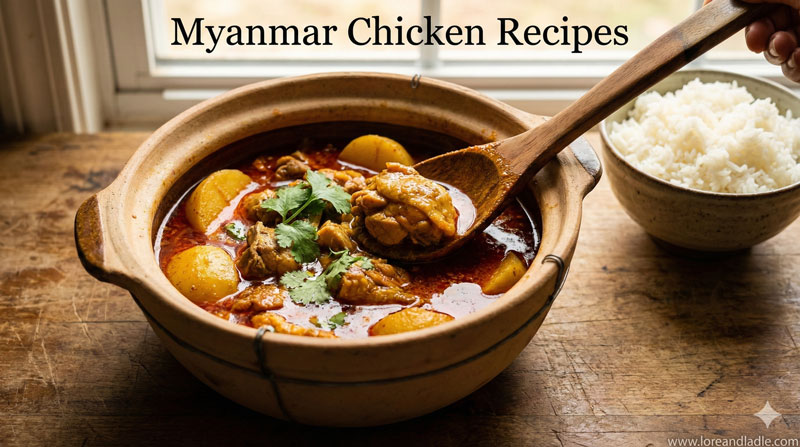
- Traditional chicken curry: a simmered harmony of spices, onion, and garlic, enriched with a gentle sour note and a touch of sweetness. The sauce clings to tender chicken and invites a lingering aroma that lingers in the room.
- Grilled or pan-seared chicken: slices brushed with a bright dressing of lime, chilies, and herbs. The char and the fresh finish elevate everyday meals into something celebratory.
- Aromatic chicken stew: a lighter, fragrant option built on lemongrass, garlic, and fish sauce. The broth shines with balance and clarity, inviting careful tasting and slow savoring.
These classics establish a rhythm in Myanmar home cooking: method, patience, and a respect for seasonal ingredients. They rely on clear textures, gentle heat, and the natural sweetness of onions and garlic. The result feels comforting, intimate, and deeply tied to family meals and gatherings.
Modern Takes on Myanmar Chicken: Fresh expressions and techniques
Modern takes reimagine technique and presentation while honoring the core flavors. Chefs and home cooks experiment with textures, plating, and global influences, keeping a Burmese soul at the center.
- Citrus-glazed roast chicken: a bright glaze of lemongrass, lime, honey, and a hint of fish sauce. The result is a glossy finish and a refreshing aroma that pairs with rice or greens.
- Burmese-inspired chicken bowls: tender chicken over grains, crisp vegetables, and a tangy ngapi or lime dressing. This format highlights freshness, color, and balance.
- Charred skewers with spice paste: quick grilling or broiling creates a smoky bite. A yogurt-lime dip or herb garnish adds cooling contrast.
- Plant-forward reinterpretations: chicken served with quinoa or barley, tossed with herbs and citrus. This approach keeps the heart of the dish while inviting lighter textures and modern plates.
These modern takes emphasize speed, bright acidity, and expressive sauces. They celebrate how Myanmar flavors adapt to contemporary kitchens and dining settings without losing their warmth and soul. The result is inviting, colorful, and accessible to a wide audience.
The Cultural Value of Myanmar Chicken Recipes
Myanmar chicken recipes carry a sense of place, practice, and hospitality. The ingredients tell a story of markets, gardens, and daily life—where lemongrass grows beside cilantro and fish sauce sits beside lime. Cooking methods reveal patience and care, with many dishes built to be shared. Aromatic profiles—garlic, ginger, turmeric, and bright citrus—signal welcome and generosity. The mix of textures, from tender meat to crisp edges, mirrors the richness of family conversations and communal meals.
Both classic and modern versions honor memory and curiosity at the same time. They invite bakers and cooks to learn from the past while exploring new techniques, tools, and tastes. This blending keeps Myanmar’s food culture lively, in motion, and deeply human. The dishes become a bridge between generations, a way to connect, learn, and celebrate together.
Tips for savoring both worlds
- Start with a solid base: onion, garlic, and ginger create a backbone that supports both classic and modern takes.
- Balance flavors in every dish: sweet, sour, salty, and a touch of heat help highlight the core ingredients.
- Practice mindful marination and cooking times to keep meat tender and vibrant.
- Respect fresh herbs and citrus: they lift the dish and emphasize its Burmese character.
- Plate with intention: a bright herb scatter or a colorful vegetable bed can transform a plate into a shared moment.
Conclusion: A warm tribute to flavor and craft
Classic vs Modern Takes on Myanmar Chicken Recipes offers a respectful exploration of how tradition and invention coexist. The dish speaks to the heart of Myanmar’s food culture—hospitality, seasonal pride, and thoughtful technique. Whether you prefer the comforting rhythm of a classic curry or the bright spark of a modern glaze, you are part of a long, flavorful conversation. Taste, learn, and savor the beauty of Myanmar chicken in all its forms.