
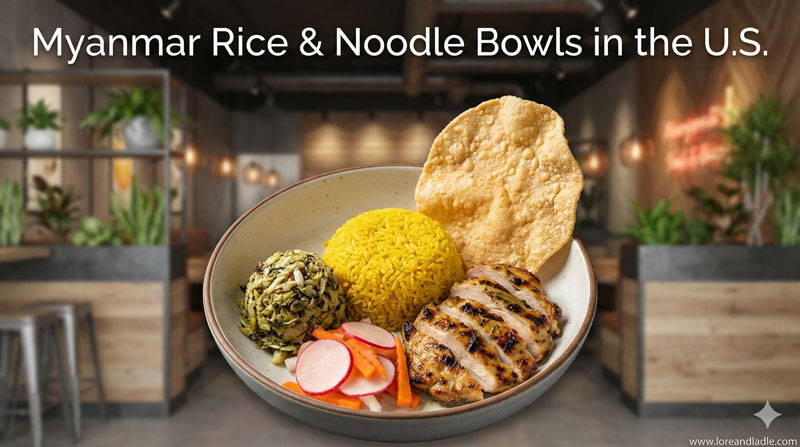
Comfort in a Bowl: Myanmar Rice & Noodle Bowls in the U.S. That Feel Like a Hug
These bowls are more than food. They are a warm invitation to gather, savor, and slow down a moment. in the United States, Comfort Food Myanmar Rice & Noodle Bowls bring a gentle sense of home to the table. They speak through aroma, texture, and balance. Each bite carries a story of care, shared preparation, and the joy of a meal that wraps you in warmth.
Core Components: Rice, Noodles, and Broth
The foundation of these bowls rests on two elements: rice and noodles. The rice provides soft, comforting texture, while the noodles add a chewy counterpoint. A savory broth or sauce ties the components together. Fresh aromatics—garlic, shallots, ginger, and lemongrass—flavor the base. A touch of turmeric or curry spice offers a warm glow. Salt, lime, and a subtle sweetness from vegetables or palm sugar adjust the overall harmony. Optional fish sauce or ngapi adds depth with a gentle, umami lift. The beauty lies in how these pieces mingle to create a single, soothing bowl.
Flavor Harmony: The Balancing Act
The heart of these bowls is balance. Bright citrus from lime or a splash of vinegar counters earthy spices. A hint of heat from chili wakes the palate without overpowering. Creamy elements, such as coconut milk in some curry-inspired versions, mingle with clear broths to create smoothness. Savory notes come from stock, soy, or fish-based seasonings, while a touch of sweetness softens sharp edges. The result is a tasting journey that feels grounded and uplifting at the same time. In the U.S. kitchens where these bowls shine, cooks tune the balance to their pantry and their guests, always aiming for that comforting, hug-like sensation.
Texture and Techniques: From Pot to Table
Texture is essential. Tender protein—chicken, pork, beef, tofu, or a medley—offers a gentle bite. The rice grains stay soft but separate, not mushy, providing a gentle cushion for chewable noodles. Fresh greens and herbs add a crisp contrast. Crispy shallots or garlic chips deliver a toasty snap. Blanched vegetables bring color and a light crunch. Finally, a bright herb sprig or a squeeze of lime at the table lets each person tailor the finish. The technique is simple, but the effect is deeply satisfying: layers of texture that invite you back for another bite.
Cultural Value: Hospitality, Home, and Shared Meals
This dish embodies hospitality in Burmese culinary culture. Meals are a time to welcome others, to share stories, and to show care through careful preparation. The bowls invite conversation and slow enjoyment, turning a meal into a moment of kinship. Even in a bustling cafe or a quiet home kitchen, the act of serving a comforting bowl signals warmth and welcome. The bowls also celebrate family knowledge—recipes passed down, tweaks shared between generations, and personal touches that reflect a household’s tastes. In this light, the dish is more than sustenance; it is a ritual of kindness expressed through food.
Burmese Flavors in American Kitchens: Adaptation and Access
In the United States, these bowls thrive because they adapt gracefully. Cooks use available ingredients to recreate familiar Burmese comfort. Instead of strict tradition, they layer in local produce, herbs, and proteins. This flexibility preserves the essence of Burmese flavor while inviting a broader audience to savor it. The bowls become a bridge between seasons and regions, proving that comfort can travel and still feel like home. Restaurants and Home Cooks alike experiment with levels of spice, thickness of broth, and toppings, all while keeping the core idea intact: a cozy, nourishing bowl that speaks of care.
Variations and Toppings: A Personal Touch
Toppings make the bowl sing. Fried shallots or garlic add crunch and aroma. Fresh cilantro, mint, or Thai basil offer brightness. Lime wedges invite a final zing of citrus. Pickled vegetables or fresh greens introduce tang and color. Crushed peanuts or sesame seeds provide a subtle nutty note. Some bowls feature a drizzle of a savory sauce, a spoon of chili oil, or a dollop of coconut cream to finish. This versatility allows every home cook to craft a hug tailored to their taste and mood.
Serving Ideas and Occasions
These bowls fit many moments. They brighten weeknights with minimal fuss and reward weekend cooking with depth and comfort. They pair well with light salads or a simple starter, then transition easily to a cozy family meal. For gatherings, a few bowls filled with different proteins let guests customize their plates. The unifying thread is warmth: bowls that welcome, soothe, and delight.
Tips for Home Cooks: Craft Your Hug
- Start with a gentle, clear broth base and layer flavors gradually.
- Use cooked rice or pre-cooked noodles to save time without sacrificing texture.
- Choose a protein that fits your schedule and budget; even seasoned mushrooms can shine.
- Prep toppings in advance: chop herbs, toast shallots, and cut citrus.
- Adjust salt and acidity at the end, tasting as you go.
- Balance heat by offering hot sauce or chilies on the side, so guests control the level.
- Aim for a bright aroma by adding fresh herbs just before serving.
In Closing: A Hug in a Bowl
Comfort Food Myanmar Rice & Noodle Bowls are more than a satisfying meal. They are a celebration of warmth, balance, and shared nourishment. In the U.S., they bring a graceful, inviting bite to tables—an edible hug that honors tradition while welcoming new flavors. Whether you cook them at Home or enjoy them at a neighborhood cafe, the bowls reveal how food can comfort the body and heart alike, one steaming bite at a time.