
Introduction
Welcome to an exploration of Comfort Food Classic Myanmar Main Dishes That Feel Like a Hug. This concept gathers dishes that bring warmth, balance, and everyday joy to the table. Each dish carries a sense of home, friendly conversation, and shared flavors. The aim here is to celebrate cultural value and culinary significance, not to judge or compare. Instead, we show how simple acts—stirring a pot, ladling broth, serving steaming rice—create moments of comfort for families and friends.
What makes Myanmar comfort food special
Myanmar comfort food rests on hospitality and harmony. Meals are a chorus of textures, fragrances, and seasonal ingredients. A pot on the stove signals care and welcome. Shared bowls, smile-filled greetings, and the rhythm of daily cooking color the culture. The food often blends fragrant herbs, slow-simmered broths, and gentle spice. This balance invites you to pause, savor, and feel cared for.
Core ingredients and flavor philosophy
Comfort dishes rely on a few trusted ingredients: tender proteins, silky coconut milk, bright aromatics, and savory seasonings. Lemongrass, garlic, and shallots lend warmth; turmeric adds glow and earthiness; fish sauce or fermented shrimp paste provide depth. Rice and noodles anchor the meals, offering comfort in their familiar textures. Fresh herbs, crisp onions, and a drizzle of aromatic oil brighten the pot. The philosophy is simple: flavors should soothe, not overwhelm, and textures should glide from spoon to mouth.
Signature dishes that embody the hug
-
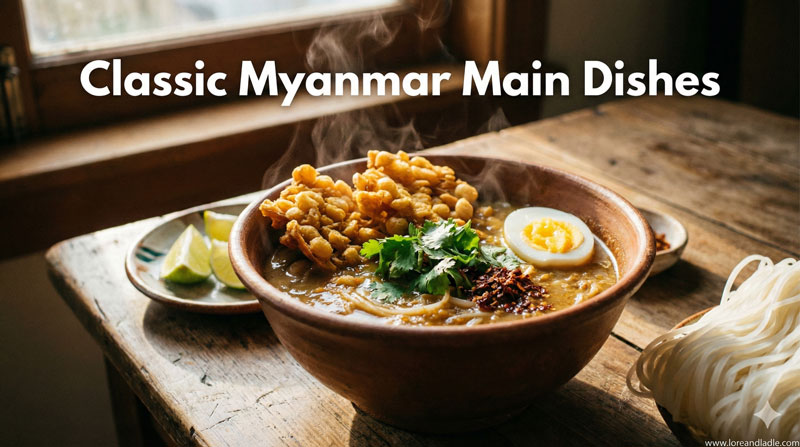
Mohinga: This fish noodle broth is often enjoyed as a comforting start to the day, and many people savor it any time. A warm, savory broth carries fish essence, lemongrass, onions, and tomatoes. Rice noodles soften softly in the bowl, while toppings like fried shallots or cilantro add bright contrast. Mohinga speaks of morning light and kitchen counter rituals, offering a soothing embrace in every spoonful.
-
Ohn No Khao Swè: A coconut-milk noodle soup with chicken, this dish feels creamy and gentle. The broth mingles coconut, chicken, and mild spices with chewy noodles. It invites gentle slurping and considerate pacing, making it a favorite for quiet meals at Home. The balance of richness and brightness makes it feel like a comforting hug in a bowl.
-
Nga Htamin: Fish with rice is a classic pairing in Burmese home cooking. Turmeric and herbs color the rice, and the dish can be prepared with a bright fish sauce or herb glaze. Served with fresh greens or a simple side, Nga Htamin offers nourishment and calm, reflecting the culture’s respect for seafood, grains, and the land’s generosity.
-
Myanmar beef curry with rice (or chicken curry with rice): Slow-simmered meat becomes tender and fragrant. Spices bloom softly as the pot thickens, mingling with potatoes, onions, and a kiss of paprika or chili. Served beside steamed rice, this curry provides a heartening, satisfying finish to the day. The ceremony of serving, sharing, and pairing aligns with daily life and gatherings.
Preparation rituals and serving traditions
In Myanmar homes, the act of preparing a comforting dish is a ritual of care. The kitchen fills with aromatic steam as onions caramelize and lemongrass perfumes the air. Families often prepare extra portions to Share with neighbors or relatives, reinforcing social ties. Serving is collaborative: bowls are passed, rice sits in neat mounds, and sauces are drizzled with intention. Meals are commonly enjoyed together, with conversation guiding the pace and flow. In this setting, food becomes a bridge between generations and a gentle reminder of generosity.
The sensory experience of a comforting bowl
Visually, these dishes present with warm tones—golden broth, pale noodles, and bright greens. Aromas of garlic, coconut, and herbs rise from the pot and invite curiosity. Texturally, you’ll find silky broths, tender meat, springy noodles, and crisp toppings. The first sip or bite delivers a balance of savory, slightly sweet, and fresh notes. The overall effect is soothing, steadying, and uplifting—like a quiet moment of reassurance after a busy day.
How to honor these dishes today
To honor the comfort they offer, prepare with mindfulness and fresh ingredients. Use good stock or broth as a foundation. Layer flavors gradually, tasting along the way. Plate with care, keeping portions reasonable for sharing. Pair with a simple cucumber salad or steamed greens to contrast textures. Finally, savor the moment: a warm bowl, gentle conversation, and the knowledge that food can feel like a hug.
Conclusion
The Comfort Food Classic Myanmar Main Dishes That Feel Like a Hug invites appreciation for everyday culinary artistry. These dishes celebrate home, family, and the beauty of thoughtful cooking. They show how warmth, balance, and kindness—expressed through ingredients and shared meals—shape a culture’s food memory. May you find a moment of comfort in each bowl, and may those moments travel with you in taste and memory.