
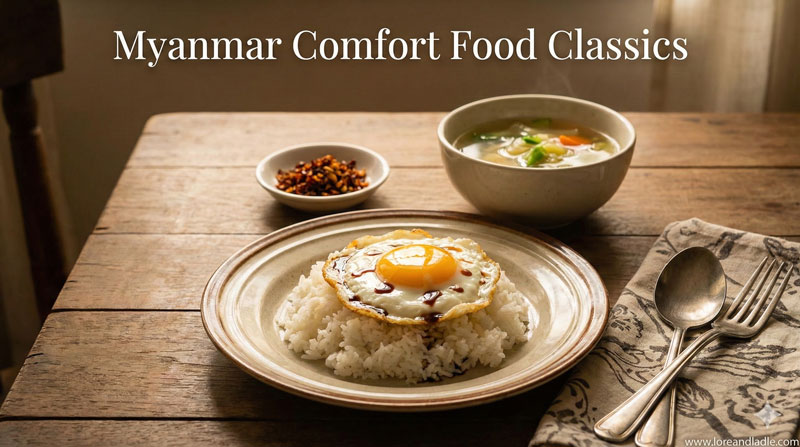
Welcome to Best Myanmar Comfort Food Classics Loved in the U.S. Right Now
This article explores a warm, flavorful corner of Myanmar cuisine. It shines a light on comfort foods that Americans are embracing in homes and in cozy eateries. The dishes celebrate daily life, family rituals, and the joy of turning simple ingredients into something memorable. You will meet bowls and plates that feel like a hug from the kitchen. Each bite tells a story of balance, aroma, and texture. This is a respectful celebration of taste, artistry, and everyday generosity.
What Makes Myanmar Comfort Food Special
Myanmar comfort foods center on warmth and nourishment. They pair rich broths with bright herbs. They use coconut milk, fish and shrimp sauces, and citrusy tang. The result is dishes that feel both familiar and new. The cooking often builds flavor in layers, adding depth with slow simmering and quick finishes. The result is soothing, satisfying food that invites repeat tasting. In short, these classics speak softly to the senses while inviting lively conversation at the table.
Core Flavors and Techniques to Know
The flavor palette blends savory, sour, and subtle sweetness. Lemongrass, garlic, shallots, and ginger bring brightness. Fish sauce or shrimp paste adds depth without heaviness. Coconut milk lends creaminess that rounds spicy notes. Fresh lime or lemon lifts the finish with a clean zing. Toasted sesame oil and crisp shallots add aroma and texture. The techniques are gentle but deliberate: simmering broths, simmering coconut curries, and carefully fried toppings. The result is comfort food that feels crafted and comforting at the same time.
Signature Dishes You Might Encounter
Mohinga is widely celebrated as a comforting, everyday favorite. A fragrant fish broth meets rice noodles, brightened with lemongrass and lime. The result is a breakfast-worthy yet all-day delight. Ohn No Khao Swè is a coconut-milk noodle soup with chicken. It feels soft and soothing, especially on cooler days. Shan noodles offer a hearty bite: rice noodles, meat or chicken, herbal toppings, and sesame oil aroma. Lahpet Thoke, or tea leaf salad, provides a crunchy, tangy contrast with nuts and seeds. Each dish stands as a cornerstone of Myanmar’s home cooking and street-food heritage. in the United States, these dishes often appear as flavorful bowls or comforting plates in both homes and cafés, inviting new fans to the table.
Texture as a Central Theme
Texture plays a starring role in Myanmar comfort foods. Broths are lush and gentle. Noodles provide a soft bite that soaks up sauce. Coconut curries bring creaminess with a mild, satisfying richness. Crunchy toppings—like fried onions, toasted sesame, or crunchy leaves—add contrast. The balance of smooth, chewy, and crisp makes every mouthful interesting. This tactile variety makes the meals approachable for a wide range of tastes.
Serving Traditions and Everyday Joy
These dishes are often shared in a circle of friends and family. A simple pot on the stove can become a gathering moment. Small bowls and spoons invite everyone to pace their own tasting. Fresh herbs and citrus are added at the table for a bright final touch. In cafés and homes across the U.S., cooks adapt, but the spirit remains: nourishment, warmth, and connection. The ritual of tasting, adjusting, and sharing remains central.
How Myanmar Comfort Foods Translate to American Tables
In the United States, these classics adapt with accessible ingredients and familiar cooking techniques. Home cooks find it easy to recreate the comfort they represent. Restaurants add a Myanmar touch to soups, noodle bowls, and crunchy salads. The dishes travel well—from a busy kitchen to a quiet evening meal—without losing their soul. The result is a growing appreciation for Myanmar’s comforting flavors among a diverse audience. This cross-cultural appeal highlights the universal joy of well-made meals.
Practical Tips for Home Cooks
- Start with a good stock: a gentle base makes every soup or curry feel warm and inviting.
- Use aromatics generously: lemongrass, garlic, and ginger carry the dish forward.
- Balance with acid: a squeeze of lime brightens the entire bowl.
- Layer textures: finish with a small handful of crispy toppings for contrast.
- Keep it adaptable: replace seafood with mushrooms or chicken, depending on what you have.
- Serve with simple accompaniments: fresh herbs, chili, and lime wedges at the table invite personalization.
The Cultural Value and Culinary Significance
Myanmar comfort foods honor daily life and shared meals. They celebrate home cooking, where care shows in each simmer and stir. The cuisine teaches patience and balance, two quiet arts of great cooking. The dishes honor ingredients you can find locally, yet they feel distinctly Myanmar in aroma and structure. This combination—familiar technique with new flavors—creates a bridge between kitchens. It invites curiosity, keeps family rituals intact, and inspires a sense of place at the table. In this way, Best Myanmar Comfort Food Classics Loved in the U.S. Right Now serves as a living thread in the fabric of everyday food culture.
Invitation to Explore and Savor
If you are curious, begin with Mohinga or a gentle coconut-milk noodle bowl. Notice how broth and lime wake the senses. Observe how noodles soak up sauce and how crispy toppings finish the dish. Enjoy the aroma of lemongrass and garlic as you eat. Share with friends or family, and you will feel the warmth these classics bring. The experience is simple, generous, and deeply human.
A Gentle Conclusion
Myanmar comfort foods offer more than flavor. They offer a practice of care, a tradition of balance, and a welcoming social moment. In the U.S. dining scene, they find a thoughtful home, where cooks adapt with grace and diners respond with appreciation. This is the beauty of these dishes: they are comforting now, and they will continue to be loved as they travel, adapt, and endure as part of everyday meals.