
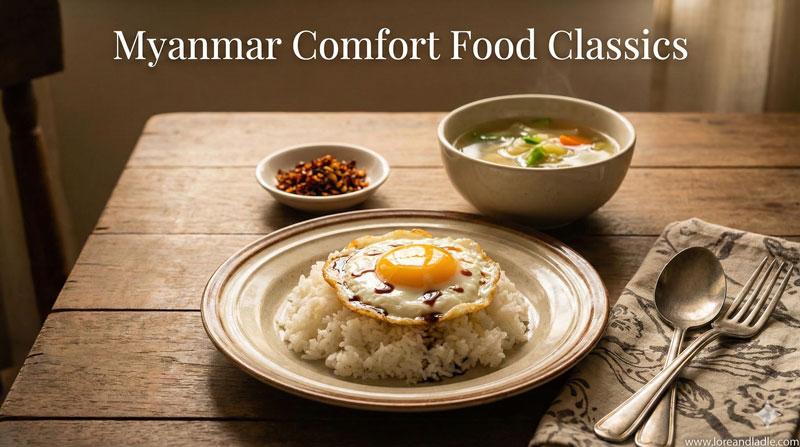
Ultimate Guide to Myanmar Comfort Food Classics for U.S. Home Cooks
Myanmar comfort food offers warmth, balance, and a sense of home in every spoonful. This guide shines a light on the cultural value and culinary significance of beloved Burmese dishes. It helps U.S. home cooks bring authentic flavors to their tables with respect and joy.
The Warmth of Burmese Comfort: What It Means
In Myanmar, meals are a daily act of care. People share bowls with family and friends, savoring textures that range from silky broths to bright-crisp vegetables. The pace of a meal mirrors the simple rhythms of daily life: quiet preparation, steady simmering, and attentive tasting. Comfort food here centers on harmony—sweet, sour, salty, and sometimes spicy all in one bite. Fragrances rise from garlic, shallots, and fresh herbs, inviting everyone to sit a moment longer. This approach creates meals that feel intimate, inviting, and nourishing.
Core Flavors and Techniques
Myanmar cuisine blends coastal freshness with inland wisdom. Key ingredients anchor many dishes:
– Fermented fish paste (ngapi) for depth and savoriness
– Coconut milk for creaminess and gentle sweetness
– Lemongrass, garlic, shallots, and turmeric for bright, warm aromatics
– Tamarind or lime for tangy brightness
– Palm sugar or jaggery for rounded sweetness
– Fresh herbs like cilantro and green chili for balance
Techniques carry the same spirit: gentle simmering to coax flavor, careful frying to release aromas, and careful layering to maintain clarity of taste. Meals often begin with a fragrant base, then bloom with tender vegetables, delicate noodles, or soft rice. The result is comforting yet lively—a texture and flavor conversation that remains welcoming to the palate.
Signature Dishes to Master
- Mohinga: a fragrant fish broth with rice noodles, lemongrass, and a squeeze of lime. It feels like morning warmth in a bowl and is cherished as a comforting staple.
- Ohn No Khao Swè: a coconut chicken noodle stew, smooth and lightly spiced, served with toppings that brighten each bite.
- Nan Gyi Thoke: thick rice noodles tossed in a flavorful chicken curry, finished with fresh herbs and a forgiving, comforting texture.
- Lahpet Thoke: tea leaf salad that balances savoriness with a crisp, tangy finish and a bright contrast of textures.
- Htamin Jin: fish and seasoned rice, a simple combination that highlights harmony between protein, grain, and greens.
Each dish exemplifies how Burmese cooks blend broths, pastes, and fresh ingredients to create comfort that shines at family tables and gatherings.
Adapting for U.S. Kitchens: Practical Tips
- Stock a small Burmese pantry: ngapi can be found at regional markets or online. If you can’t find it, start with a light fish sauce and a touch of miso for depth, then adjust gradually to taste.
- Build a flexible broth base: simmer onions, garlic, lemongrass, and turmeric in a neutral stock. Add coconut milk or a splash of cream for richness.
- Noodles and grains: use rice noodles for Mohinga-style bowls or wide flat noodles for Nan Gyi Thoke. White jasmine rice is a welcoming staple to anchor meals.
- Fresh accents: lime juice, fresh cilantro, sliced chilies, and bean sprouts brighten dishes and provide contrast.
- Equipment tips: a sturdy pot for long simmering, a blender or mortar and pestle for pastes, and basic bowls for serving help recreate authentic textures.
- Substitutions that preserve character: replace hard-to-find tropical greens with spinach or kale, use light coconut cream if you prefer a milder thickness, and balance salt with a touch of jaggery or palm sugar.
Serving Ideas: Plating and Pairings
- Begin with a warm broth or sauce base, then invite diners to mix in noodles, greens, and toppings at the table.
- Use simple garnishes: sliced lime, chopped herbs, fried onions, and a drizzle of chili oil to heighten aroma and color.
- Pair with light side dishes such as cucumber pickle or fresh tomato salad to echo the balance of sweet, sour, and savory.
- Create a comforting menu: Mohinga for a morning starter, Nan Gyi Thoke for a heartier lunch, Lahpet Thoke as a bright snack or side, and a coconut-curry dish for dinner.
Flavor Profiles and Menu Planning
Myanmar comfort foods excel when you balance aroma, texture, and brightness. Expect silky broths, tender noodles, and crisp vegetables. The palette shifts gently from warm turmeric and garlic to the cool lift of lime and herbs. When you design a Burmese-inspired menu for U.S. home cooks, aim for a cohesive meal that blends softness with freshness and a hint of sweetness to round out spiciness.
Culture, Community, and the Joy of Cooking
These dishes carry a sense of daily life in Myanmar. They celebrate generosity, family meals, and the art of layering flavors with care. Sharing a bowl invites conversation, comfort, and connection. By preparing these classics at Home, you participate in a living culinary tradition that welcomes curiosity, creativity, and respect for ingredients.
Quick Glossary for Ready Reference
- Ngapi: fermented fish paste, a cornerstone of depth in many dishes
- Mohinga: fish and noodle soup, a morning staple
- Ohn No Khao Swè: coconut chicken noodle soup
- Nan Gyi Thoke: thick rice noodle salad with chicken curry
- Lahpet Thoke: tea leaf salad with bright, crisp notes
- Tamarind: adds tangy brightness
- Palm sugar: soft sweetness that rounds flavors
- Jasmine rice: a versatile, comforting staple
A Gentle Invitation to Explore
This guide invites you to explore Myanmar comfort foods with curiosity and care. Start with a few dishes, then expand as you discover new textures and aromas. In every recipe, you will find warmth, balance, and a sense of welcome. Enjoy the journey, taste with intention, and savor the beauty of Burmese culinary traditions in your own kitchen.