
Introduction
Comfort Food Myanmar Pork & Beef Recipes That Feel Like a Hug invites readers into a kitchen where meat braises become gentle rituals of care. In Burmese homes, pork and beef braises are more than nourishment; they are acts of hospitality that warm the heart and gather loved ones around a single pot. The dish blends humble cuts with a careful balance of aromatics, seasonings, and patience. The result is a meal that tastes like reassurance, a bowlful that says: you are welcome here.
A Dish That Feels Like a Hug
This dish earns its name through both scent and texture. The sauce thickens to cling to tender meat, releasing a savory-sweet warmth with every bite. Spices unfold in layers, inviting the palate to slow down and linger. The process—low heat, steady simmer, gradual melding of flavors—mirrors the care put into a hug: quiet, attentive, and generously charged with feeling. In every kitchen, the aromas rise softly, signaling comfort and connection.
Core Ingredients and Techniques
Meat: Choose pork shoulder or beef chuck for a forgiving, succulent result. Cut the meat into generous cubes so the sauce can envelop each piece.
Aromatics: Start with onion, garlic, and ginger. These form the fragrant base that carries the dish through its long, gentle braise.
Spices and seasonings: Turmeric, coriander, and cumin give a warm, earthy depth. A touch of chili adds gentle heat. For depth and balance, use a splash of fish sauce or soy sauce, and a hint of sweetness or acidity as your palate prefers—perhaps a small note of palm sugar or a squeeze of lime toward the end.
Liquid and aroma: A modest amount of stock or water maintains a glossy, luscious sauce without thinning the flavor. If you like, a whisper of tomato or tamarind can brighten the profile with a subtle tang.
Technique: Sear the meat to build brown fond, which deepens the sauce’s character. Remove the meat, then sauté aromatics until they glow. Return the meat, sprinkle in spices, deglaze with liquid, and let everything braise slowly. Keep the pot partially covered so steam concentrates the aroma but the surface remains vibrant. Finish with a fresh squeeze of brightness and a final taste check.
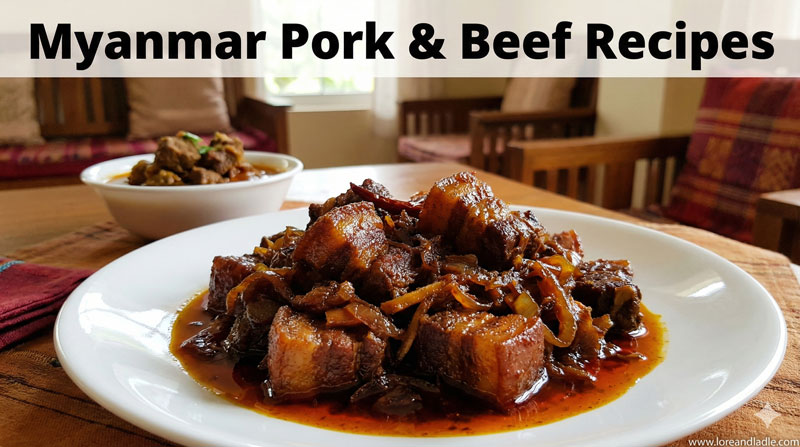
Texture and color: The meat should become fork-tender, and the sauce should cling richly, coating each piece with a glossy glaze. The visual, aroma, and mouthfeel together offer the comforting sense of Home in a single dish.
The Cultural Value of Comfort Foods in Myanmar
Myanmar’s comfort foods often center on family, shared meals, and the generosity of a kitchen that feeds both body and spirit. Dishes like this pork-and-beef braise embody everyday hospitality—simple ingredients treated with care, transformed into something greater than the sum of their parts. The dish invites conversation, slows the pace of daily life, and creates a moment for gratitude around the table. It’s a culinary offering that respects both tradition and the evolving tastes of a home, honoring cooks who season with memory as much as with salt.
Culinary values here emphasize balance and restraint. The best versions savor the natural sweetness of meat, the earthiness of spices, and the tang that brightens the finish. Each home adds its own voice—slightly different spice choices, a different simmering time, or a dash of local herbs—yet the core idea remains the same: a dish that wraps diners in warmth and welcome. Such meals teach guests and family alike that nourishment carries emotional resonance, and that sharing food is a daily ritual of kindness.
Flavor Profile, Balance, and Sensory Experience
The profile centers on warmth, depth, and a gentle brightness at the end. The savory base comes from meat and aromatics, enriched by spices that give earthy, comforting notes without overpowering the natural meat flavors. The sauce offers a silkiness that coats the tongue, with a harmonious blend of salty, slightly sweet, and tangy elements. The result is a dish that feels like a hug because the flavors stay with you, evolving with each bite, inviting slow savoring and mindful enjoyment.
In the mouth, the texture changes from the initial sear to tender pieces that release their juices slowly. The aroma—garlic, onion, ginger interwoven with turmeric and pepper—permeates the room, making the kitchen feel like a welcoming space. The balance is delicate: too much heat or salt can overwhelm the gentleness; just enough brightness at the finish makes the dish feel fresh rather than heavy. This careful equilibrium is a hallmark of Burmese home cooking, where flavor is measured not only by taste but by the sense of care behind every stir and taste.
Serving Traditions and Table Moments
Traditionally, serve this dish with steamed jasmine rice, which soaks up the sauce and carries the flavors softly to the palate. A side of crisp pickled vegetables adds a contrasting crunch and a touch of acidity that brightens the meal. Fresh herbs, such as cilantro or scallions, offer a green counterpoint and a final burst of fragrance. Lime wedges or a light squeeze of fresh lime bring a final lift that enhances the savoriness without overpowering the dish.
In many homes, the serving ritual is as important as the plate itself: bowls are passed around, spoons are shared, and the pot remains at the center as a symbol of communal care. Small condiments on the side let each person tailor the flavor to their taste, reinforcing the idea that comfort is built through thoughtful sharing.
Regional Variations and Adaptations
Across regions, kitchens adapt the dish to local ingredients and preferences. Some kitchens favor a creamier finish by incorporating a touch of coconut milk, which adds softness and body. Others maintain a leaner, clearer sauce that emphasizes the meat’s natural character and the aromatics’ brightness. Spice blends may vary in intensity, while the core method—a slow braise with attentive layering—remains consistent. These variations highlight regional pride and culinary creativity, all while preserving the dish’s central theme of warmth and welcome.
Home Cooking Guide: How to Capture the Hug at Home
- Choose your meat wisely: pork shoulder or beef chuck holds moisture well during slow cooking.
- Build a robust base: brown the meat to create fond, then toast the aromatics until they glow.
- Layer spices thoughtfully: start with a gentle bloom of turmeric, coriander, and cumin; adjust chile to taste.
- Maintain balance: use fish sauce or soy for savoriness, add brightness with lime or tamarind toward the end, and adjust salt as you go.
- Simmer patiently: keep the lid slightly ajar to concentrate flavors while preventing drying.
- Finish with freshness: a squeeze of lime and a handful of fresh herbs lift the dish just before serving.
- Pair thoughtfully: serve with jasmine rice and a light pickle to enhance the overall experience.
Final Thoughts
This Comfort Food Myanmar Pork & Beef Recipe That Feels Like a Hug stands as a gentle celebration of Burmese home cooking. It embodies hospitality, patience, and the joy of sharing a meal that wraps everyone in warmth. The dish travels well in memory, inviting cooks to recreate a touch of Burmese kitchen warmth in their own homes. By honoring humble ingredients and deliberate technique, it reinforces the cultural value of meals as moments of connection, care, and quiet joy. If you seek a dish that speaks of home, warmth, and taste, this is a welcoming place to begin.