
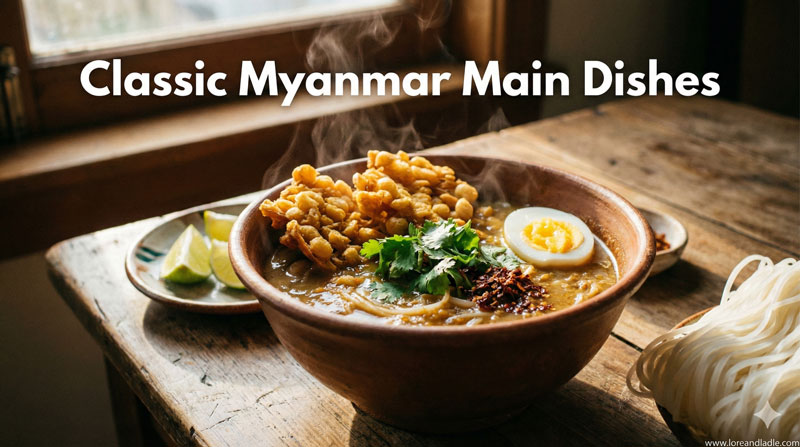
Introduction: A guide to pairing classic Myanmar main dishes with rice, noodles, and sides
Welcome to a thoughtful look at how Burmese meals come alive when main dishes meet the right starch and accompaniments. This guide highlights cultural value and culinary significance. You will discover how balancing flavors, textures, and aromas creates harmony at the table. The goal is to honor tradition while inviting curious eaters to enjoy every bite.
The heart of Burmese meals: cultural value and culinary significance
In Myanmar cuisine, a meal centers on everyday care. Food is shared with family and friends, and meals flow from a single plate to many small, fresh tastes. The staple is rice, versatile and comforting. Noodles appear in many forms, offering comfort and variety. Side components bring brightness, crunch, and herbaceous freshness. Together, these elements reflect a culture that values balance, seasonality, and hospitality. When you pair a classic main with rice, noodles, and sides, you honor generations of sauces, spices, and techniques.
Core flavors and textures in Burmese cooking
Culinary work in Myanmar often weaves salty notes from fermented products, gentle acidity from lime or tamarind, and a gentle heat from chilies. Aromatics such as garlic, shallots, lemongrass, and curry leaves lift dishes with fragrant notes. Tender meats or vegetables mingle with creamy curries or tangy soups. The starch—usually rice or noodles—provides a neutral canvas that makes the spices sing. Crisp fried items, fresh herbs, and pickled vegetables add texture and contrast. This balance—salt, sour, heat, and aroma—defines classic pairings.
Principles for pairing: how to match main dishes with rice, noodles, and sides
- Start with the starch: Rice is the anchor of many meals. It absorbs sauce and moderates strong flavors. Noodles offer a different mouthfeel, bringing ease and speed to the table.
- Seek balance: If a main dish is rich, pair it with lighter rice or a refreshing noodle option. If the dish is bright with lime or herbs, a mild rice base helps it linger on the palate.
- Consider texture: Creamy sauces mingle well with smooth rice, while a crispy fried side adds a pleasant counterpoint to soft noodles.
- Mind the aromatics: Strong aromatics in the main dish pair well with plain rice that won’t compete for attention. Fresh herbs or pickled vegetables as sides bring color and lift the meal.
- Use sides to bridge flavors: Crisp vegetables, light pickles, or herb salads can bridge a gap between heavy curries and delicate noodles.
How to pair: practical ideas for rice, noodles, and sides
- With a classic meat or fish curry, serve steamed jasmine rice to let the sauce cling softly to each grain.
- For a heartier, spiced main, offer plain broad rice noodles or thin rice noodles on the side. They provide a clean contrast and a different textural experience.
- If your main is lighter or more herbal, a bowl of plain rice or a simple noodle dish can balance the meal without overpowering it.
- Add a fresh herb salad or lightly pickled vegetables as a side. The bright acidity brightens the plate and cleanses the palate between bites.
Classic main dishes and their ideal pairings (examples)
- Fish or chicken curry: Pair with steamed jasmine rice for a traditional harmony. A side of crisp vegetables or light pickles adds a refreshing contrast.
- Beef or pork curry: Match with rice to temper richness, and consider a subtle noodle option if you want variety. A herbaceous salad can lift the dish.
- Eggplant or tofu curry: Rice provides a soft bed for the curry’s layers of savoriness. A small fried item on the side adds texture.
- A curry with coconut-meets-tomato notes: Rice helps balance sweetness, while a simple noodle could serve as a different base for tasting the sauce long after the first bite.
- Broth-based or lighter main dishes: Noodles can offer a comforting, quick pairing, with rice kept as an option for a heartier feel.
These pairings are guidelines, not rigid rules. The joy of Burmese food lies in adjusting to taste, season, and mood.
The role of rice, noodles, and sides in a Burmese meal
Rice sits at the center as a flexible canvas. It carries sauces, soaks up flavors, and keeps the meal grounded. Noodles provide variety in texture and speed. They let diners switch between flavors without changing the container of starch. Sides—herbs, vegetables, and light condiments—introduce crispness, brightness, and balancing acidity. Together, rice, noodles, and sides create a complete, satisfying eating experience that respects both tradition and appetite.
Techniques for achieving balance in a plate
- Taste as you go: A small bite of main with a mouthful of rice helps you sense how flavors interact.
- Layer flavors gradually: Add herbs and lime in small amounts so they complement rather than overwhelm the dish.
- Control heat: If spice is strong, pair with a gentle starch and cool sides like fresh greens.
- Build texture: Mix tender meat or vegetables with crisp sides and smooth rice for variety with every bite.
Serving ideas and etiquette for enjoying Myanmar pairings
- Present the main dish in a shallow bowl or dish, with a separate pile of steamed rice and a small portion of noodles on the side.
- Offer fresh herbs or lime wedges as optional garnishes so guests can tailor brightness to taste.
- Share small plates of sides so everyone can assemble bites that combine sauce, starch, and crunch.
- Keep the table calm and inviting: warm, clean dishes and a relaxed pace enhance the communal feel.
A glimpse of regional preferences within a classic framework
Myanmar showcases regional accents in sauces, aromatics, and preferred starches. Some areas favor lighter curries with fragrant herbs, while others lean toward deeper spiced notes with richer sauces. Across regions, the core idea remains the same: a main dish forms the heart of the meal, and rice, noodles, and sides extend the experience with texture, balance, and freshness. This variety makes every dining occasion feel special, whether at Home, in a market stall, or in a family gathering.
Conclusion: celebrating harmony in Burmese food pairing
Pairing classic Myanmar main dishes with rice, noodles, and sides is a celebration of balance, craft, and care. The practice honors generations of cookery—where a simple plate becomes a memory through aroma, texture, and taste. By considering starch as a partner, and sides as the spark of brightness, you honor the beauty of Burmese culinary culture. May your tasting journeys feel warm, inviting, and endlessly flavorful.