
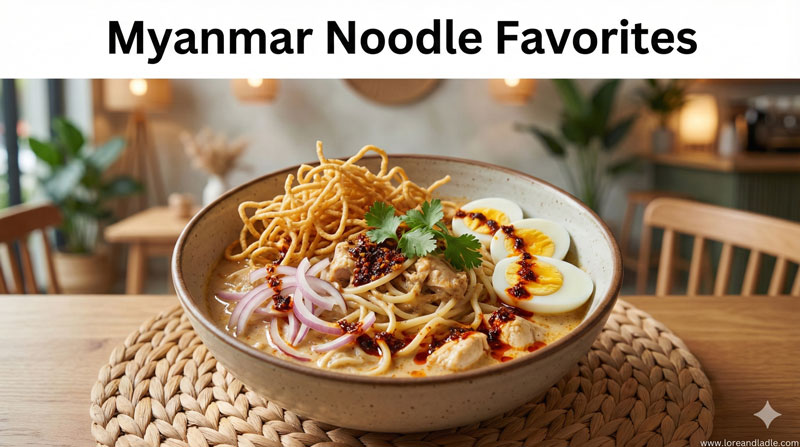
Introduction: Beginner-Friendly Shopping List for Myanmar Noodle Favorites
Myanmar noodles weave a gentle magic through daily life. A beginner-friendly shopping list helps you explore this cuisine with confidence. The focus here is on culture, craft, and the joy of flavors. You will learn how simple ingredients become expressive dishes. Each section invites you to see noodles as more than food—they are a respectful link to daily life, markets, and shared meals.
The Cultural Value of Myanmar Noodles
Noodles hold a steady place in Myanmar’s kitchens and streets. They appear at breakfast, lunch, and supper, often enjoyed with family or friends. In markets, cooks demonstrate careful technique and pride in small details. The same bowl can tell different stories in different towns, yet the core idea remains: balance, warmth, and community. Noodle bowls are scenes of hospitality, inviting everyone to gather, taste, and reflect. The textures and aromas encourage slow savoring and conversation, turning a simple meal into a moment of connection.
Core Flavors and Textures That Define Myanmar Noodles
Myanmar noodle dishes sing with contrast and harmony. The broth may be bright and aromatic, or creamy and comforting. Noodles provide a gentle, resilient base that carries complex flavors—savory fish, tangy lime, nutty sesame, and a hint of heat. Toppings add crunch, color, and aroma. Fresh herbs brighten the bowl, while fried onions or chickpea fritters add an inviting crunch. Each bite shows how careful layering of herbs, spices, and textures can elevate a humble bowl into a memorable experience. This balance—savory depth, fresh lift, and satisfying mouthfeel—defines the culinary signature of Myanmar noodle favorites.
The Shopping List: Categories and Key Items
This section outlines a practical starter list. It focuses on ingredients that are accessible, versatile, and true to Myanmar noodle traditions.
- Noodles
- Rice vermicelli (thin)
- Flat rice noodles (optional variety)
-
Fresh noodles if available (alternative options)
-
Broth bases and seasonings
- Fish sauce or a Myanmar-inspired equivalent
- Fermented fish paste (ngapi) or a milder substitute
- Garlic and shallots
- Lemongrass stalks
- Ginger
- Turmeric (ground)
- Lime or lemon for brightness
-
Ground chili or red pepper flakes
-
Proteins and seafood
- White fish fillets (such as tilapia or catfish) or seafood mix
- Eggs (hard-boiled or soft)
-
Dried shrimp (optional for depth)
-
Aromatics and herbs
- Fresh cilantro
- Green onions (scallions)
- Fresh dill or coriander leaves (where available)
-
Banana stem pieces or cabbage (for texture in some bowls)
-
Vegetables and toppings
- Bean sprouts or shredded lettuce
- Sliced onions or shallots for a crisp finish
- Chickpeas (for fritters or toppings)
- Fried shallots or garlic chips
-
Crushed peanuts or sesame seeds (for garnish)
-
Condiments and finishing touches
- Chili oil or fresh chilies
- Ground pepper
- Lime wedges for brightness
-
Palm sugar or brown sugar (optional balance)
-
Pantry Staples and tools
- Rice flour or chickpea flour (for fritters or thickening)
- A sturdy pot for broth
- A fine sieve or strainer
- A grater or microplane for zest and aromatics
This list is designed for flexibility. Start with a core set and add items as you discover your favorite Myanmar noodle bowls. Each item helps you recreate the comforting and vibrant character of street and home cooking.
How to Build a Simple Noodle Dish at Home
Begin with one dish as your guide, then add items from the list as you go. For a gentle start, choose a broth-based noodle bowl and layer flavors gradually.
- Step 1: Prepare a light broth. Sauté garlic, shallots, and lemongrass in a little oil. Add fish stock or water, a splash of fish sauce, and a pinch of turmeric. Simmer to blend the aromas.
- Step 2: Cook the noodles according to package directions. They should be tender but lively, not mushy.
- Step 3: Add a protein touch. Poach fish gently in the broth or add a soft-boiled egg. If you prefer, use a few dried shrimp for a delicate seafood note.
- Step 4: Build texture with toppings. Add bean sprouts, fresh herbs, and a few chickpea fritters or fried shallots. Finish with a squeeze of lime and a dash of chili oil.
- Step 5: Serve with balance. A light sprinkle of peanuts or sesame seeds can add a gentle nutty finish.
This approach keeps cooking approachable while honoring the dish’s cultural roots. You can adapt the balance of salty, sour, and aromatic elements to your taste, just as Myanmar cooks do in homes and markets.
The Sensory Experience: Aroma, Taste, and Hospitality
Myanmar noodle bowls awaken the senses. The aroma often blends garlic, lemongrass, and toasted onions, inviting you to take a first, confident sip of broth. The taste celebrates balance: a touch of sweetness, a hint of sourness, and a savory, umami backbone. Textures play a key role—from the soft noodles to crunchy toppings. Visual color and fresh herbs make the dish welcoming and beautiful. This sensory richness reflects the culture’s appreciation for hospitality, care, and shared meals.
Using the List to Explore Regional Flavors
Myanmar’s noodle traditions vary by region, yet share common threads: bright aromatics, a comforting broth, and an emphasis on balance. As you expand your shopping, you’ll notice subtle differences—brighter citrus in some bowls, thicker broths in others, and particular toppings that speak to local markets. Your beginner-friendly list becomes a passport to these regional tastes, guiding you to try new combinations while staying anchored in familiar textures and techniques.
A Gentle Note on Practice and Respect
Cooking with Myanmar noodle favorites invites patience and curiosity. Respect the craft by savoring each bite, listening to your palate, and appreciating how small choices—like the freshness of herbs or the crunch of onions—shape the final dish. This mindful approach mirrors the care shown by cooks across households and markets, where tradition meets personal touch in every bowl.
Closing: The Beauty of Myanmar Noodle Culture
Noodles in Myanmar express everyday life—comfort, hospitality, and shared joy. A beginner-friendly shopping list helps you honor this culture with thoughtful ingredients and simple techniques. As you cook, you participate in a living tradition that celebrates teamwork in the kitchen and generosity at the table. Let each bowl remind you of the beauty in careful preparation, fresh ingredients, and open-hearted eating. Welcome to the world of Myanmar noodle favorites, where culture and culinary craft unite in every savory sip.