
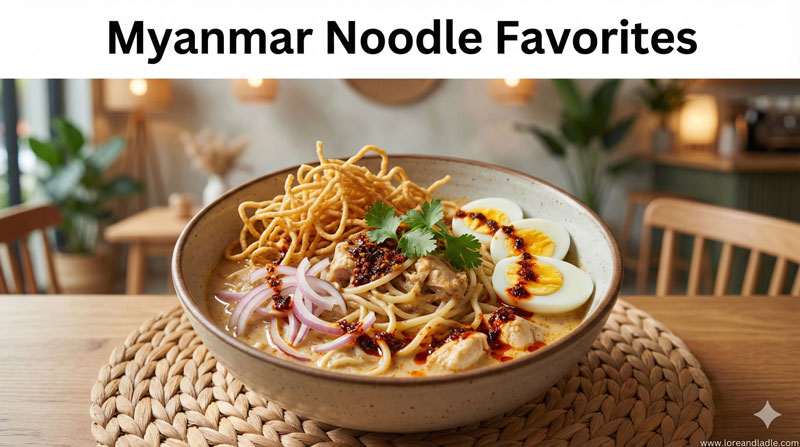
Simple Sauces and Sides to Match Myanmar Noodle Favorites
This article invites you into a small but vibrant world of flavor. The dish Simple Sauces and Sides to Match Myanmar Noodle Favorites is more than a pairing. It is a way to honor daily life, craft, and sharing around the noodle bowl. In Myanmar, a bowl is a canvas. Sauces and sides are the colors that bring it to life. Together, they reveal a kitchen’s spirit, a street market’s rhythm, and a family’s welcome.
The Heart of Myanmar Noodle Culture
Noodles sit at the center of many meals in Myanmar. They travel from morning markets to family kitchens with ease. People assemble bowls with care, selecting sauces and sides to fit the moment. This practice celebrates simplicity and ingenuity. A few precise ingredients can transform a humble noodle into a memorable dish. The act of pairing noodles with sauces and sides reflects a culture that values balance, seasonality, and shared eating. Through these choices, communities keep time with the seasons and honor everyday abundance. The result is a cuisine that feels warm, approachable, and deeply human.
Quick Sauces That Shine
Simple sauces unlock the flavors of Burmese noodles without fuss. Each sauce adapts to the noodle’s texture and broth, guiding the eater toward a complete bite.
- Lime-Chili Dip: Mix fresh lime juice, fish sauce, a touch of sugar, and finely chopped chilies. The brightness of lime awakens the palate, while fish sauce adds depth. A pinch of sugar smooths the edge, creating a clean, vivid finish.
- Tamarind-Garlic Sauce: Whisk tamarind pulp with minced garlic, a little palm sugar, and a splash of fish sauce. This sauce gives a tangy, slightly sweet backbone that pairs beautifully with mild broth and soft noodles.
- Peanut-Sesame Drizzle: Combine ground roasted peanuts, a spoon of sesame paste, a drizzle of neutral oil, and a hint of chili. The nutty glaze adds richness and a gentle warmth to every bite.
- Fermented Fish Paste Oil (Ngapi-Inspired) with Chili: Stir a small amount of ngapi or a mild fish paste with hot chili oil and a touch of sugar. This sauce offers a savory depth that echoes traditional flavors while remaining approachable for first-timers.
Each of these sauces is designed to be added gradually. Start with a small amount, then adjust to taste. The goal is harmony, not heaviness. Use sauces to highlight the noodles’ character, not overwhelm it. Clear, direct flavors often shine best in Myanmar noodle bowls.
Simple Sides for Texture and Color
Sides bring contrast, texture, and color to the bowl. They finish the dish with crunch, aroma, and freshness.
- Crispy Onions or Fried Shallots: A handful adds sweetness and a toasty aroma. They lift soft noodles with a satisfying crackle.
- Crushed Peanuts or Sesame Seeds: A light sprinkle provides nutty notes and a gentle bite. They also introduce a pleasing visual texture.
- Fresh Herbs: Cilantro, mint, or sawtooth coriander give cool, bright notes that balance savory depths.
- Pickled or Quick-Pickled Vegetables: Thinly sliced cabbage or mustard greens add tartness and crunch. They refresh the palate between bites.
- Boiled Egg Halves: A simple protein boost that blends smoothly with subtle broths and sauces.
- Lime Wedges: A bright squeeze right at the table invites personal adjustment and a lively finish.
These sides work with many Burmese noodle bowls because they are easy to prepare, easy to Share, and easy to tailor to individual tastes. They respect the dish’s simplicity while expanding its possibilities.
Balance and Craft: A Guide to Flavor
Myanmar’s noodle pairings thrive on balance. A single bowl can carry salty, sour, sweet, and umami notes in harmony. Here’s a practical way to think about it:
- Start with the base: The noodle and broth provide comforting, familiar flavors.
- Add brightness: A splash of lime or a crisp herb lifts the profile.
- Introduce depth: A modest amount of a fish-based sauce or ngapi adds savor without heaviness.
- Finish with texture: The right side—crunchy onion, peanuts, or fresh vegetables—brings contrast and delight.
Transition words help. First, taste the noodle. Then, add a little sauce. Next, sprinkle a side. Finally, adjust with a final squeeze of lime. This method keeps the bowl lively and inviting.
Regional Inspirations in Myanmar Noodle Pairings
Across Myanmar, markets and kitchens shape distinct noodle pairings. Coastal regions favor lighter, citrusy accents that echo sea air and fresh herbs. Inland areas lean into richer, nutty notes and deeper umami. In highland towns, you may find herbs with bright, peppery scents that awaken the palate. Regardless of region, the core idea remains: sauces and sides are not afterthoughts. They are integral to the bowl’s story. They connect cooks with seasons, farmers with tables, and neighbors with shared meals.
Practical Tips for Home Cooks
- Start simple: Use one sauce and one side at first. Taste, then add more if needed.
- Prep ahead: Make a small jar of lime-chili dip and a tiny dish of fried onions for quick bowls.
- Customize with confidence: If you prefer less heat, reduce chilies. If you crave more brightness, add another squeeze of lime.
- Use fresh ingredients: Fresh herbs, bright lime, and crunchy toppings make a big difference.
- Pair thoughtfully: Match a light, tangy sauce with delicate noodles; use a robust sauce to complement heartier broths.
These tips help you bring the same care found in Myanmar markets into your home kitchen. The result is a table that feels inclusive, generous, and alive with fragrance and color.
Closing Reflections: The Beauty of Burmese Noodle Traditions
The dish Simple Sauces and Sides to Match Myanmar Noodle Favorites celebrates more than flavor. It honors a culture’s practice of sharing, improvisation, and seasonal awareness. Each sauce and side is a tiny education in balance, texture, and craft. When you assemble a bowl, you participate in a long, quiet tradition of making food with intention and care. The noodle, the broth, the sauces, and the sides—each part matters. Together, they tell a story of everyday life in Myanmar: a story told through aroma, taste, and the pleasure of a well-balanced bite. This is the beauty of Burmese noodle traditions—the simple act of eating becomes a moment of connection, reverence, and joy.