
Introduction
Better Lunches at Home with Myanmar Pork & Beef Recipes opens a window into everyday flavors that nourish body and spirit. This collection centers on Home Cooking, where family aromas rise from the stove and small acts of preparation become shared memories. It celebrates pork and beef as flexible, beloved ingredients that adapt to season, mood, and seasonality. The dish is not a single plate but a living practice—one that honors time, skill, and the joy of a midday meal enjoyed together.
The heart of Myanmar home cooking
In Myanmar kitchens, meat is often a centerpiece that invites balance. Pork and beef provide depth, tenderness, and a savory brightness that pairs beautifully with fresh herbs and bright citrus. The key lies in the way spices and pastes are crafted and used. A simple, vibrant paste—garlic, shallots, a touch of turmeric, and pepper—forms the backbone of many dishes. When pounded to a smooth yet lively paste, it releases aromatics that perfume the entire dish during cooking. This technique preserves the meat’s natural sweetness while opening it to a broader range of flavors found in everyday markets.
The cooking method matters as well. Quick sears lock in juices, while gentle braises coax tenderness from tougher cuts. This range lets Home Cooks tailor a meal to the day’s schedule, turning a weekday lunch into something comforting and satisfying. The beauty is in how a handful of ingredients—meat, garlic, shallots, a splash of fish sauce or fermented paste, fresh herbs, and lime—carry a full spectrum of taste without overwhelming the palate.
A harmony of textures and flavors
What makes these meals memorable is the way textures and flavors meet at the table. Meat arrives tender and savory, while crisp vegetables or lightly pickled accompaniments add snap. Fresh herbs—cilantro, mint, or green coriander leaves—bring cooling brightness that lifts the dish. A squeeze of lime or a splash of a light, tangy sauce brightens the finish, reminding you that lunch can be both hearty and refreshing.
There is a gentle layering of spice, heat, and savor. Pepper heat mingles with the warmth of turmeric and the depth of fermented seasonings. This interplay lets the dish feel both robust and balanced, suitable for a midday break that restores energy without weighing the afternoon down. The result is a dish that speaks of home—reliable, warming, and always welcoming to new visitors at the table.
Regional flavors reflected in daily meals
Across Myanmar, markets brim with choice, and cooks draw ideas from nearby traditions to adapt a basic pork or beef recipe. A dash of lemongrass can lift the dish with citrusy lift, while a touch of tamarind or a hint of palm sugar can introduce subtle sweetness that complements the meat’s savor. The flexibility of the recipe mirrors the pace of everyday life: it can be bright and quick for a busy morning, or slow and lingering when time allows for careful simmering.
That regional variety is not complexity for its own sake. It is a conversation—between farmers, vendors, and home cooks—about what is fresh, what is affordable, and what makes a meal feel like a gift. The dish thus becomes a living document of daily life, recording the rhythms of markets, family schedules, and the changing seasons. Each home adds its own notes, and those notes travel through kitchens as stories to be told at the lunch table.
The cultural value of the lunch table
Lunches like these carry cultural meaning beyond sustenance. They are moments of connection, where families and friends pause to share flavors that have traveled from field to pot to plate. In this practice, patience is valued: meat may be cooked to tenderness, herbs are carefully minced, and sauces are balanced. The result is a meal that embodies care, attention, and hospitality.
The dish also serves as a bridge between generations. Younger cooks learn from elders how to adjust salt, how to balance sour and sweet, and how to time the dish so the meat remains juicy. The routine of preparing a midday meal becomes a small pedagogy—about generosity, mindfulness, and the joy of cooking at home. In this sense, Better Lunches at Home with Myanmar Pork & Beef Recipes is more than a collection; it is a cultural practice that underlines the importance of nourishment, hospitality, and shared spaces.
Plating the beauty of a Myanmar pork and beef lunch
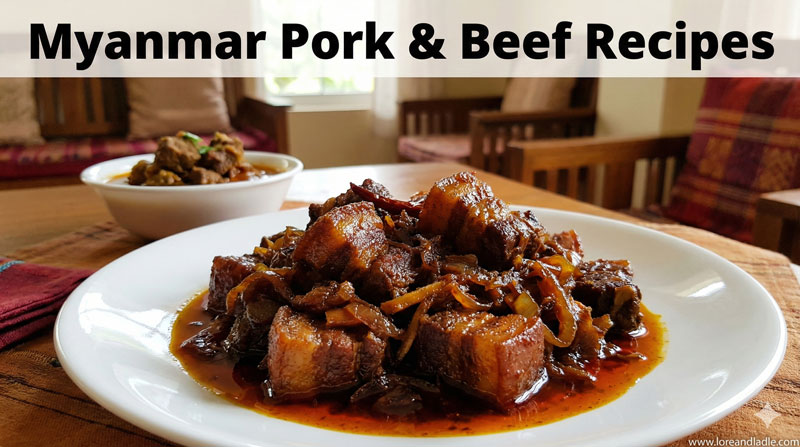
The visual appeal matters as well. A well-prepared plate offers a warm, earthy hue from the meat, a glossy glaze from a quick sauce, and pops of green from herbs. Textures—glossy meat, crisp vegetables, and delicate herbs—invite the eyes first and then the palate. Plating is a small ritual that honors the ingredients and the effort behind them. A simple bowl of rice grounds the plate, while the meat and its accompaniments provide color, aroma, and a balanced bite. The aesthetic of a home lunch speaks to care in everyday life, not only to taste.
Practical guidance for home cooks
- Use a fresh spice paste. Toast and grind spices to awaken their aroma before mixing with meat. A bright paste makes the dish lively without overpowering the meat.
- Sear meat to lock in juices. A quick, high-heat sear adds depth and color, then gentle simmering finishes the cooking.
- Balance bright and earthy flavors. A squeeze of lime brightens, while a small amount of fermented seasoning provides depth.
- Keep greens crisp for contrast. Quick blanching or light pickling preserves color and texture alongside the tender meat.
- Cook in stages. If time allows, prepare the paste ahead, then finish with meat and vegetables for a smoother workflow.
A welcoming invitation to explore
Better Lunches at Home with Myanmar Pork & Beef Recipes invites readers to slow down and savor a midday meal that is both comforting and refined. It showcases how simple ingredients can carry a rich cultural narrative when prepared with care. The dish stands as a reminder that home cooking can be a beautiful form of everyday artistry—an act of hospitality that invites everyone to the table.
If you are looking to deepen your connection with Myanmar flavors, start with these approachable meat dishes. You will find them adaptable to busy days and satisfying on relaxed ones. Each bite celebrates the harmony of regional influences, the skill of home cooks, and the timeless appeal of sharing a good lunch with others.