
Introduction
How to Pair Myanmar Pork & Beef Recipes with Rice, Noodles, and Sides invites readers into a moment where flavor, technique, and shared meals meet. This guide highlights the cultural value and culinary significance of pairing meat with Myanmar’s staple grains and accompaniments. It celebrates how pork and beef are prepared, balanced, and enjoyed in everyday meals and during special gatherings.
Flavor foundations of Myanmar meat cooking
Myanmar meat dishes center on balance and aroma. Garlic, shallots, turmeric, lemongrass, and ginger often lead the fragrance. Fresh herbs, chili, and black pepper add bright heat and depth. Fish sauce or ngapi brings a savory umami, while a touch of sweetness from palm sugar softens strong spice notes. These elements work together to lift pork and beef without overpowering their natural richness. The best dishes savor texture—meat that feels tender, skins that glisten, and vegetables that retain bite.
The central role of rice, noodles, and sides
Rice sits at the heart of the meal, absorbing sauces and balancing spice. Noodles offer a lighter canvas for quick sautés and braises. Sides provide color, crunch, acidity, and brightness. Pickled vegetables, fresh herbs, lime wedges, and crisp shallots are common partners. Together, rice, noodles, and sides create a full spectrum of textures and flavors, inviting conversations at the table.
Practical pairings: pork and beef with grains and sides
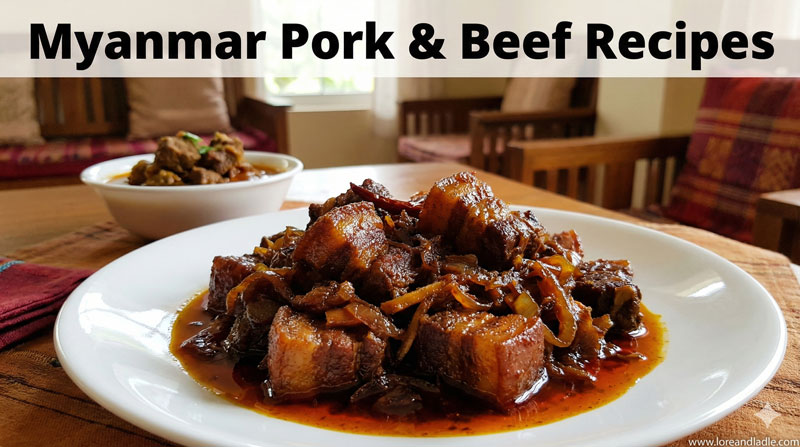
First, pair pork with gentle spice blends that emphasize garlic, shallots, and turmeric. A pork stew or grilled slices shine when served with steamed rice and a tangy pickled side. Next, couple beef with deeper aromatics like black pepper, cumin, and coriander. A beef curry or braise benefits from a lime-touched salad or herb garnish to lift the rich sauce. For both meats, finish with a crisp onion topping or fried garlic to add crunch and a warm aroma. Remember to balance salty sauces with a squeeze of lime and a small spoon of palm sugar for harmony. Finally, experiment with noodle pairings: broad rice noodles for a comforting bowl, or slender wheat noodles for a quick stir-fry with herbs. Side condiments—fermented pastes or chili oil—offer a custom kick without overpowering the main flavors.
Regional variations and seasonal notes
Yangon’s markets showcase brisk, bright profiles that suit pork and beef when paired with fresh herbs. Mandalay-style dishes may lean toward stronger spice blends and richer gravies. In Shan State, lighter, herbal accents highlight meat endings with gentle heat. Seasonal produce, such as fresh greens or pickled squash, informs which sides accompany the meat. These regional nuances enrich the practice of pairing, making each plate a small map of place and purpose.
Crafting the meal: tips for home cooks
Choose high-quality pork or beef with good marbling for tenderness. Use a wide pan to encourage even browning. Build flavors in stages: sauté aromatics, brown the meat, add sauces, then finish with bright herbs. Balance is key: adjust salt, sour, and sweet to suit personal taste. Garnish with fresh cilantro, lime, or fried onions to add color and lift. Finally, plate with care, letting rice or noodles anchor the dish and sides offer color and contrast.
Cultural value and dining rituals
Mealtimes in Myanmar often center on sharing and generosity. Preparing a dish that pairs meat with rice, noodles, and sides signals hospitality and attention to detail. The act of tasting, adjusting seasonings, and presenting a balanced plate reflects respect for ingredients and for those at the table. Through these pairings, families and communities express memory, craft, and a lasting Love for well-made food.
Conclusion
Myanmar Pork & Beef Pairings with Rice, Noodles, and Sides celebrate flavor, texture, and togetherness. The approach honors local ingredients, traditional techniques, and the joy of a thoughtfully composed meal. By exploring these pairings, you can experience the cultural beauty and culinary significance that define Myanmar cooking.