
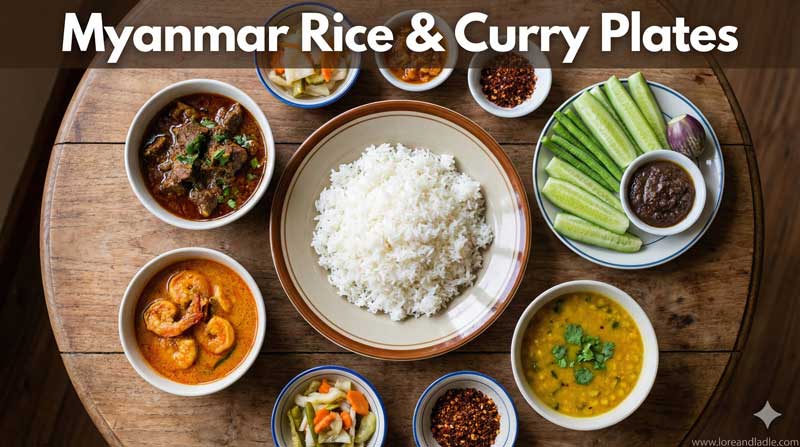
Comforting Myanmar Rice & Curry Plates That Warm Up Any Evening invites you into a world of aroma, texture, and everyday joy. This dish is more than food; it’s a steady companion for family meals, a canvas for seasonal ingredients, and a quiet expression of hospitality. Its beauty lies in balance: simple rice, fragrant curry, crisp vegetables, and a chorus of bright condiments. Let’s explore the cultural value and culinary significance that make these plates a beloved staple in Myanmar homes.
A Warm Welcome from Myanmar
In Myanmar, meals are moments of togetherness. A plate centered on rice anchors the table, while curry and vegetables offer variety that pleases many palates. The dish is flexible, welcoming both daily cooking and small celebrations. Its accessibility is part of its charm: Home Cooks of all levels can prepare a version that feels like a hug at the end of the day. The routine of washing, steaming, and sharing creates a ritual that reinforces care, respect, and connection.
Core Components: Rice, Curry, and Condiments
The foundation is fragrant, steamed rice—often jasmine rice—that stays soft and separate, serving as a neutral partner to bolder flavors. The curry provides warmth through aromatics like garlic, onion, ginger, and turmeric, sometimes with coconut milk for gentle richness. Protein choices include chicken, pork, fish, or legumes, each bringing its own texture and savoriness. Accompaniments—fresh herbs, crisp vegetables, and a tangy pickle or lime squeeze—brighten the plate and invite a balance of sweet, sour, and savory notes. Together, these elements create a complete meal that feels nourishing and familiar.
The Art of Preparation: Simple Techniques with Grand Impact
The beauty of these plates is in approachable technique. Rice is rinsed and cooked to a light, fluffy grain. The curry simmers slowly, letting onions soften and spices bloom without overpowering the dish. Gentle cooking preserves the natural sweetness of vegetables while allowing proteins to become tender. Condiments are often prepared with minimal fuss: a quick pickle or a squeeze of lime elevates brightness, while fried onions or garlic add a comforting crunch. The result is a meal that feels intentional and comforting, even when made in a busy kitchen.
A Palette of Spices: Aromatics and Balance
A hallmark of Myanmar’s culinary style is the artful use of aromatics to build depth without heaviness. Turmeric lends golden warmth; garlic and ginger add bite; and a hint of lemongrass or coriander can lift the curry with a fresh edge. Chili brings warmth, but the heat is usually gentle enough to allow the other flavors to sing. Balanced with salt, a touch of acidity, and occasionally coconut milk, the curry becomes a chorus rather than a solo. This emphasis on harmony reflects a broader cultural appreciation for meals that please many senses at once.
Regional Twists and Seasonal Notes
No two plates are identical. Regional and household variations influence how curry is seasoned, what protein is chosen, and which vegetables accompany the dish. In coastal areas, fish versions may appear with bright citrus and herbs; inland homes may favor chicken or pork with earthier spice notes. Seasonal vegetables—crisp cucumbers in summer, squash in cooler months—insert freshness that marks a plate as tied to the year’s rhythm. Such variation showcases the adaptability and creativity of Myanmar home cooks, who honor tradition while inviting personal expression.
Shared Meals and Cultural Value
The dish embodies hospitality. A generous portion invites guests to sample, compare, and discuss flavors, textures, and memories. Meals like this become moments where generations connect—parents teach young cooks How to balance flavors; siblings trade tips on timing; grandparents share stories that turn a simple plate into a keepsake. The practice of serving a shared platter or a family-style presentation reinforces community, care, and mutual enjoyment.
Presenting the Plate: Color, Texture, and Comfort
Colorful vegetables, pale rice, and a glossy curry create an inviting tableau. The contrast between soft grains and a lightly sauced curry offers a comforting texture play. The aroma—garlic, spices, and a hint of citrus—welcomes the eater before the first bite. This sensory blend makes the meal feel like a gentle invitation to slow down, savor each mouthful, and appreciate the craftsmanship behind everyday cooking.
A Craft for Home Kitchens: Accessible and Adaptable
This dish is eminently approachable for home cooks. Use whatever proteins are on hand, adjust the spice level, and choose vegetables that suit the season. The technique rewards patience and care, yet remains forgiving enough for weeknight meals. By focusing on core principles—properly cooked rice, a balanced curry, and bright accompaniments—any kitchen can capture the essence of Myanmar’s comforting plates.
In Closing: The Heart of Burmese Comfort Food
Comforting Myanmar Rice & Curry Plates That Warm Up Any Evening are more than sustenance; they are a reflection of daily life, hospitality, and shared joy. They celebrate the beauty of simple ingredients transformed through steady technique and thoughtful balance. Whether enjoyed as a quiet dinner for two or a lively family gathering, these plates offer warmth, welcome, and the timeless pleasure of eating well together.