
Introduction
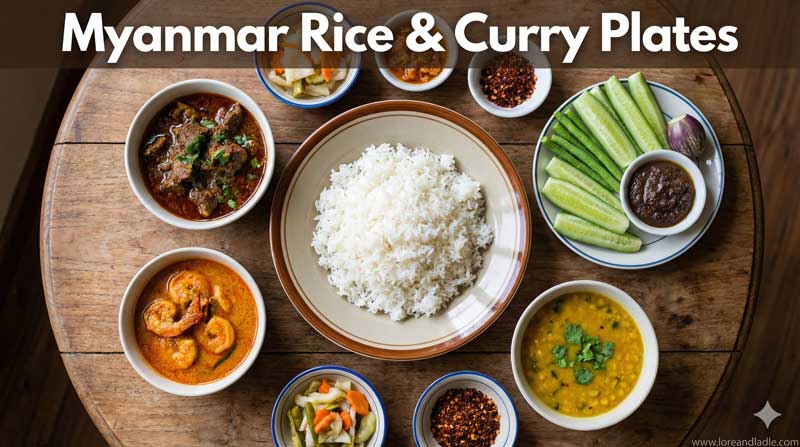
Myanmar rice and curry plates are more than a meal; they are a canvas where simple sauces and sides tell a story of flavor, shareability, and daily life. Small additions—a bright pickled tang, a spicy oil, a soft pillow of pickled vegetables—lift the curry, rice, and vegetables into a balanced, inviting experience. This post explores the cultural value and culinary significance of those accompaniments, and how they help reveal the beauty of Burmese Flavors in everyday dining. By focusing on the textures, aromas, and harmonies at the table, we celebrate a tradition that invites everyone to taste and linger.
The Harmony of Simple Sauces and Sides
In Myanmar, a well-composed plate uses contrasts to sing. Hot meets cool, sour brightens rich, and crispy textures punctuate tender curries. Simple sauces and sides act as translators between components, guiding the palate through the meal. They emphasize hospitality, too—sharing a few well-made accompaniments invites everyone to personalize bites. The result is a dining experience that feels both humble and deeply crafted, rooted in local ingredients and a careful balance of flavors.
Chili Oil and Spicy Sauces
Chili oil or chili-based sauces bring warmth and energy to Myanmar rice and curry plates. A little heat awakens the senses and cleanly cuts through creamy curries, while the oil carries fragrance from garlic, shallot, or toasted spices. Use it to finish a bowl as you would a spice kiss at the end of a conversation: brief, bright, and memorable. These sauces reflect the Burmese love of bold, clean spice and the pleasure of customizing each mouthful to taste.
Lime Pickle and Tangy Dips
A slice of lime or a tangy pickle adds a spark of acidity that brightens curry and rice. In Burmese meals, sour notes sharpen sweetness, refresh the palate, and extend the life of a plate as flavors mingle. A simple lime pickle or tamarind-based dip provides a citrusy counterpoint to richer curries and can be spooned onto rice for a quick, flavor-packed bite. The result is a clean, lively finish that embodies the region’s appreciation for balance and clarity in taste.
Ngapi-Based Dips for Umami Depth
Ngapi—the traditional Burmese fermented fish paste—offers a distinctive umami foundation. When blended into a dip or swirled lightly into a sauce, ngapi lends depth without overpowering the dish. It mirrors the cultural value of savoring slow-fermented ingredients and honoring time-tested techniques. Used judiciously, ngapi-based dips connect the curry with regional Pantry Staples, enriching each bite with a savory backbone that listeners naturally associate with Burmese cuisine.
Fresh Herbs, Pickled Vegetables, and Crunch
Herbs such as cilantro or mint, crisp pickled vegetables, and a scatter of fried onions or sesame seeds bring freshness and texture to the plate. These sides add aroma, color, and a satisfying crunch that contrasts with soft curries and tender rice. They also illustrate the communal nature of Burmese meals, where a table offers multiple textures and flavors for sharing and exploration.
Side Dishes for Texture and Balance
Beyond sauces, small vegetable sides—steamed greens, lightly sautéed greens with garlic, or seasoned cucumbers—provide balance. A spoon of bright, zesty salad or a handful of crisp roots can reset the palate between bites. In Myanmar dining, variety on the plate reflects care and hospitality, inviting guests to sample and savor each component.
Pairing Principles for Myanmar Rice & Curry Plates
- Start with aroma: let a hot sauce or oil release its fragrance over the rice to wake the senses.
- Balance fat and acid: pair creamy curries with sour or tangy dips to keep the plate lively.
- Add texture: combine smooth curries with crunchy onions, pickles, or toasted seeds.
- Respect regional twists: allow local ingredients—garlic oil, lime, ngapi—to guide the pairing.
- Keep it simple: the best accompaniments are easy to prepare, yet deeply comforting.
Quick Make-at-Home Ideas
- Chili oil: heat oil with crushed chilies and a hint of garlic; drizzle over a bowl just before serving.
- Lime pickle: blend fresh lime juice with salt and a touch of sugar; refrigerate briefly to mellow.
- Ngapi dip: whisk a small amount of ngapi with lime juice, a pinch of sugar, and sesame oil for a savory dip.
- Fresh herb mix: chop cilantro and mint; toss with a squeeze of lime and a pinch of salt.
- Quick pickled vegetables: thinly slice cucumber or carrot; splash with rice vinegar and a pinch of sugar.
Celebrating Burmese Flavor at Home
Simple sauces and sides reveal the elegance of Myanmar’s rice and curry plates. They honor everyday cooking by letting humble ingredients shine through clear, thoughtful combinations. When you welcome these accompaniments to the table, you invite a respectful exchange of flavors that honors the craft of Burmese cuisine. Embrace the beauty of balance, texture, and aroma, and your Myanmar-inspired meals will feel both ancestral and newly discovered.
If you’re curious to explore further, start with two or three accompaniments and let their flavors lead your next curry night. The plates will speak for themselves, and you’ll taste the heart of Burmese Cooking in every bite.