
Ultimate Guide to Myanmar Rice & Curry Plates for U.S. Home Cooks
Myanmar rice and curry plates embody a warm, welcoming spirit. This dish brings together simple staples and bright flavor, all on one generous plate. For U.S. home cooks, it offers a clear path to a traditional table that feels both comforting and festive. The beauty lies in balance: soft rice, aromatic curries, crisp vegetables, and a tangy finish. Read on to discover why this plate matters culturally and How to celebrate it in your kitchen.
The Plate as a Way of Sharing
In Myanmar, meals are often a time to gather, share, and enjoy a spectrum of textures. A rice and curry plate centers on everyday ingredients prepared with care. Each component has its own character, yet they unite on a single plate. The result is a meal that invites conversation, prompts mindful eating, and honors hospitality. For U.S. home cooks, recreating this plate can become a ritual of connection with friends and family.
Core Components and Their Significance
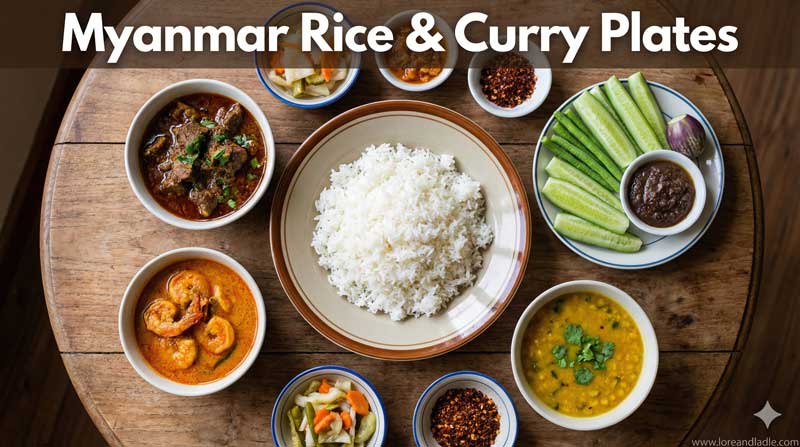
A typical plate starts with a bed of steamed rice. The rice anchors the dish and carries the flavors of the curries. Around the rice, a small assortment of curries offers variety in aroma and heat. Common choices include chicken or fish curry, a lentil or bean curry, and sometimes a vegetable or egg curry. Bright accents come from pickles, fresh tomato and onion relishes, and crisp greens or herbs. A squeeze of lime or a dab of tamarind adds a lively tang. Each element plays a role in the plate’s harmony, highlighting the region’s skill at layering flavors.
Flavor Language: What Makes it Distinct
The culinary language of Myanmar rice and curry plates blends sweet, sour, salty, and spicy notes. Aromatics like garlic, onion, turmeric, and coriander build warmth. Fermented fish paste or fish sauce adds depth and umami in small, balanced amounts. Fresh herbs provide brightness, while coconut milk adds gentle richness to some curries. The result is a plate that feels both comforting and vibrant, with a clear progression from the mild sweetness of rice to the lively finish of seasonings and pickles.
Techniques for Home Cooks: Easy Adaptations
- Start with quality rice. Rinse until the water runs clear, then cook to a fluffy, separate grain.
- Simmer curries slowly. Sauté aromatics, add spices, then introduce protein or legumes and a splash of coconut milk or stock. Simmer until tender and flavorful.
- Build variety in one plate. Prepare two or three curries and a simple vegetable side. A small pickle or relish brightens the plate.
- Keep balance in mind. If a curry feels heavy, brighten it with lime juice or a touch of acidity from tomatoes or tamarind. If a curry is shy on salt, a light dash of fish sauce or soy can help.
Regional Touches and Seasonal Ideas
Coastal areas lean toward coconut milk and brighter seafood curries, while inland regions favor lentil-based dishes and crisp vegetables. Seasonal vegetables can join the plate for color and texture. In the home kitchen, these regional nuances translate into small changes: more coconut milk for a creamy touch, or more lime and tomato for a tangy edge. This flexibility makes the dish approachable for U.S. cooks while preserving its rooted, regional charm.
Plating, Presentation, and Etiquette
Present the rice as a neat mound on the plate, then arrange the curries in small scoops or bowls around it. Add a few vegetable sides, a pickle, and a wedge of lime. Diners typically use a spoon and fork to combine bites, moving textures and flavors onto the spoon in each mouthful. The plating invites a slow, attentive meal that honors the care put into each component.
Ingredient Spotlight for Easy Substitutions
- Rice: long-grain white rice or jasmine rice works well.
- Curries: chicken, fish, or lentil curry; use coconut milk for a creamy texture.
- Aromatics: garlic, onion, ginger, turmeric, coriander seeds, cumin.
- Acids and brightness: lime juice, tamarind paste, fresh tomato.
- Umami: a small amount of fermented fish paste or fish sauce, to taste.
- Add-ons: pickles, fresh herbs, crispy shallots, or roasted chili paste for heat.
A Dish for Everyday Beauty
This plate is not just sustenance; it is a celebration of everyday life. Its beauty lies in how home cooks can honor a traditional approach while making it their own. The dish invites curiosity, careful preparation, and shared enjoyment. For U.S. home cooks, it offers a welcoming gateway to Myanmar’s rich food culture—one plate at a time.
Final Thoughts
Myanmar rice and curry plates blend comfort, color, and culture into a single, inviting meal. The focus on balance and hospitality makes it a meaningful project for any kitchen. By embracing the plate’s components, savoring the contrasts, and sharing the meal, you celebrate both culinary craft and cultural value in a warm, respectful way.