
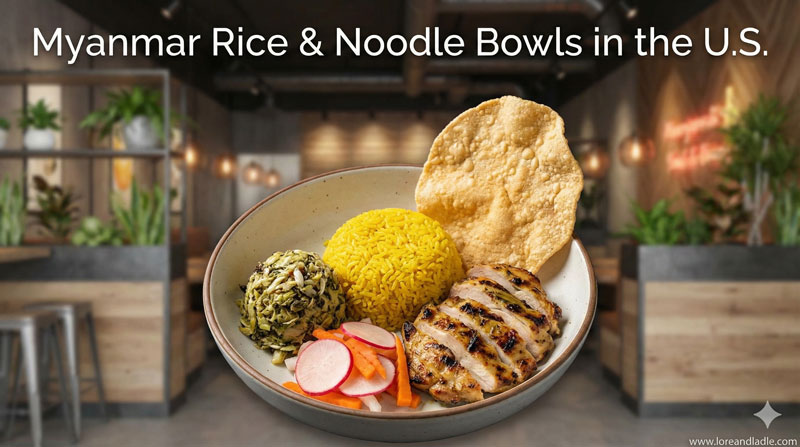
Beginner’s Roadmap to Cooking Myanmar Rice & Noodle Bowls in the U.S. at Home
Myanmar rice and noodle bowls carry a quiet grace that speaks to everyday hospitality. They mingle two important threads of Burmese cuisine: the comfort of rice with the versatility of noodles. In a single bowl, you taste warmth, balance, and a sense of place. This guide highlights the cultural value and culinary significance of these bowls, inviting Home Cooks to savor Burma’s flavors anywhere, including the United States.
The Cultural Heartbeat of Burmese Bowls
Burmese bowls are built around sharing and gathering. A pot of broth or a plate of sizzling noodles becomes a focal point for friends and family. The ritual of assembling a bowl mirrors a wider tradition: bright herbs, a dash of tang, a touch of heat, and a soothing, comforting finish. Serving bowls with care signals hospitality. The aroma alone can spark memory and conversation. In Burma, meals are moments of connection, and these bowls embody that spirit—simple, soulful, and welcoming.
Core Flavors that Define Burmese Bowls
These bowls tell a flavor story shaped by fresh herbs, bright citrus, and a gentle sweetness. Common components include:
- A savory broth or coconut-based sauce, often seasoned with garlic, shallots, turmeric, and a hint of lemongrass.
- Rice noodles or steamed rice, providing soft, absorbing texture.
- Proteins like fish, chicken, or vegetables that soak up the broth’s aroma.
- Condiments such as fried shallots, fresh cilantro, lime or lemon, and sometimes a touch of chili for warmth.
- A balancing element—slightly salty, tangy, and umami-rich—so the bowl feels complete.
This harmony of flavors showcases Burmese technique: layering tastes in stages, then finishing with crisp textures and fresh herbs. The result is a dish you can savor in a single bite or relish across several.
Tools and Techniques That Elevate Home Cooking
To honor the dish at home, focus on technique as a form of respect. Use a sturdy pot for a clear, well-rounded broth. Customize noodles to suit your preference—rice noodles for a light, delicate feel, or thicker noodles for more chew. Toast fresh spices lightly to wake their aroma. Fry shallots or garlic until bronze for a fragrant topping. If you enjoy a coconut base, simmer gently to keep the sauce silky. Finish with herbs and a squeeze of citrus to brighten the whole bowl.
A Practical Roadmap for Beginners
Follow these steps to bring Myanmar rice and noodle bowls to your kitchen, with confidence and joy:
- Step 1: Gather essential ingredients. Stock rice noodles, a protein or vegetables, aromatics (garlic, shallots), turmeric, and a bright herb like cilantro. Have lime or a citrus alternative ready, plus a crispy garnish if you like.
- Step 2: Prepare components. Chop herbs, slice proteins, and soak noodles as directed on the package. If using a coconut-based sauce, prepare it separately so you can combine later.
- Step 3: Build the broth or sauce. Sauté aromatics, add seasonings, and simmer to develop depth. If you use coconut milk, stir in slowly to keep it smooth.
- Step 4: Cook noodles and proteins. Follow package directions for noodles. Cook proteins until just done to retain tenderness.
- Step 5: Assemble. Place noodles in bowls, ladle hot broth, add protein or vegetables, and top with garnishes.
- Step 6: Finish with brightness. Add herbs, a squeeze of lime, and a crisp onion or shallot topping for contrast.
This approach keeps the journey enjoyable while honoring tradition. You can adjust textures and intensity to suit your palate, all while preserving the essence of Burmese bowls.
Serving, Presentation, and Cultural Moments
A Burmese rice and noodle bowl shines through its presentation. Keep bowls warm, place the noodles neatly, and arrange proteins and vegetables with care. Garnishes like fresh herbs and fried shallots invite the senses. A final citrus kiss brightens the dish and invites your table to share. The moment of serving—watching steam rise, hearing the clink of spoons, and seeing colorful toppings—turns a simple meal into a memorable cultural experience.
Regional Flair Within Burma
Within Burma, regions offer subtle variations in bowls. Coastal areas may lean toward seafood-forward flavors, while inland regions emphasize legumes and greens. The balance of tang, salt, and pepper shifts with local produce and seasonal herbs. In a home kitchen abroad, you can honor these regional touches by mirroring a preferred balance and selecting ingredients that echo a chosen Burmese region. This flexibility celebrates the cuisine’s adaptability and its broad appeal.
Final Thoughts: A Welcoming Burmese Table at Home
These rice and noodle bowls invite curiosity and craft. They illustrate how Burmese cooks blend textures, colors, and tastes into a single, comforting experience. By cooking at home in the U.S., you connect with a living culinary tradition that values generosity, balance, and everyday elegance. Each bowl becomes a small celebration of culture, food, and the joy of sharing good meals with others.