
Introduction
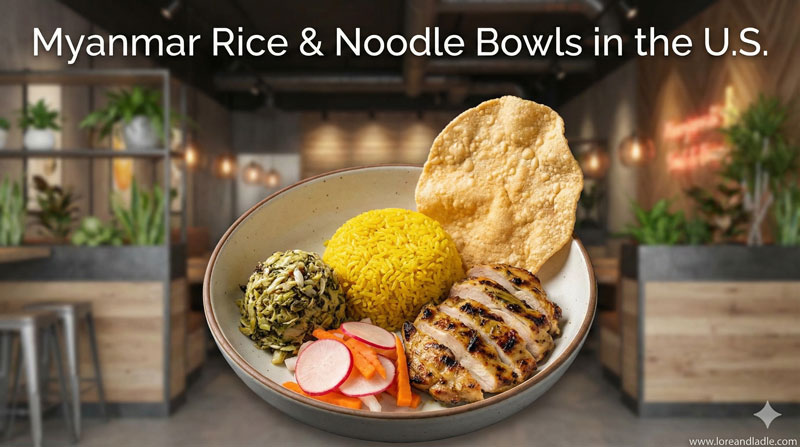
Family-Approved Myanmar Rice & Noodle Bowls in the U.S. Kids Will Also Enjoy invites readers to explore a dish that bridges flavors, textures, and simple everyday joy. This bowl interprets Myanmar cooking as accessible, warm, and deeply communal. It celebrates rice and noodles as harmonious foundations and highlights how fresh herbs, balanced seasonings, and careful technique create a meal that welcomes both adults and children to the table. The resulting bowls feel familiar enough for everyday meals while offering new, bright notes that spark curiosity about home cooking.
A Colorful Duo: Rice and Noodles in One Bowl
Myanmar kitchens often feature both rice and noodles as core elements. In these bowls, the rice base provides softness and sustenance, while noodles offer a chewy contrast and rapid warmth. When combined, they create a texture interplay that pleases varied palates. The bowls become a canvas: a spoonful of tender rice, a nest of noodles, a savory broth or sauce, and a chorus of toppings. This pairing welcomes families to customize each bowl, turning mealtime into a small, joyful ritual of choice and balance.
Core Flavors and Techniques
The beauty of Myanmar Rice & Noodle Bowls lies in the layering of aromas and colors. Common techniques include simmering a light, fragrant broth or curry, then finishing with bright, fresh toppings. Key flavor builders are:
- Aromatics: garlic, shallots, and ginger provide a warm, comforting base.
- Spices and color: turmeric adds a gentle glow and subtle earthiness.
- Umami and salt: fish sauce or soy sauce deepen the savor without overwhelming the dish.
- Fresh lift: lime juice or wedges, cilantro, and mint bring acidity and brightness.
- Textural accents: crunchy bean sprouts, toasted peanuts, or fried shallots add a welcome bite.
Children often respond well to a milder balance, where the savory depth comes through in a gentle way and herbs offer lively freshness. The technique is approachable: simmer a delicate broth, stir-fry vegetables briefly for color, then assemble with rice and noodles. The result is a bowl that tastes both comforting and lively, with each element contributing to the whole.
Ingredients: A Palette of Culture
This dish thrives on a flexible collection of ingredients, many of which are found in home kitchens and local markets. Typical components include:
- Grains and noodles: jasmine rice or long-grain rice, paired with soft rice noodles or egg noodles.
- Proteins: chicken, shrimp, tofu, or a combination, prepared simply to stay tender.
- Vegetables: cabbage, carrots, bean sprouts, bell peppers, and greens that wilt with warmth.
- Aromatics and herbs: garlic, shallots, ginger, cilantro, and mint.
- Sauces and seasonings: a light broth or curry base, fish sauce or soy sauce, lime or a citrus touch.
- Toppings: crushed peanuts, sesame seeds, fried shallots, and fresh herbs for fragrance and color.
The beauty here is flexibility. Markets in the U.S. offer many of these ingredients year-round, and families can select items that fit their pantry and preferences. The result remains rooted in Myanmar-style flavor while adapting to local availability.
For Families: Cooking as a Shared Language
These bowls are inherently family-friendly. They invite kids to watch flavors develop, to choose toppings, and to discover how combining rice, noodles, and vegetables creates a satisfying meal. Cooking together strengthens routine and invites conversation about textures, colors, and contrasts in flavor. The bowls also teach balance: a small amount of each component can offer a full, flavorful bite. In this way, the dish becomes more than a meal; it becomes a simple cultural moment shared at Home.
Cooking in the U.S.: Accessibility and Adaptation
In American homes, the dish can shine with accessible ingredients and familiar techniques. Some practical tips:
- Start with a milder broth base and a gentle spice level, then offer chili sauce or lime on the side for those who want more heat.
- Use store-bought broths as a time-saver, and supplement with fresh aromatics to elevate flavor quickly.
- Choose vegetables that your family enjoys; you can steam or lightly sauté them to maintain color and crunch.
- Keep sauces simple and balanced—salt, a touch of sweetness, a bright citrus note—to ensure every bowl remains inviting to new tasters.
This adaptability helps families make the dish their own while preserving its cultural heart. The bowls become a practical, everyday way to explore Myanmar flavors in familiar kitchen settings.
Presentation and Savoring: The Joy of a Bowl
Presentation matters. A well-assembled bowl invites the eye and the palate. Start with a soft bed of rice, lay a nest of noodles on top, spoon in a cozy broth or curry, and crown with crisp vegetables and fresh herbs. A squeeze of lime and a scatter of peanuts or herbs add finishing brilliance. The act of combining elements at the table turns eating into a small ceremony of taste discovery and appreciation for balance and color.
A Simple Home Method: Steps to Try
- Step 1: Cook the rice according to your favorite method until it is tender but not mushy.
- Step 2: Prepare the noodles in boiling water until they reach a chewy tenderness, then rinse lightly.
- Step 3: Simmer a light broth or curry base with garlic, ginger, and turmeric. Adjust salt and a touch of sweetness as needed.
- Step 4: Stir-fry or lightly sauté a selection of vegetables for color and texture.
- Step 5: Assemble bowls: a bed of rice, a portion of noodles, vegetables on top, then ladle the warm broth.
- Step 6: Add toppings and fresh herbs. Finish with lime and a small sprinkle of peanuts or sesame.
- Step 7: Encourage family members to customize and taste, adjusting spice or brightness to their preference.
This straightforward method makes the dish approachable for Busy families while preserving the dish’s character and charm.
The Cultural Value of the Dish in Everyday Life
This bowl embodies a respectful approach to everyday cooking. It honors the idea that meals can be both comforting and exploratory. The combination of rice and noodles speaks to a practical, nourishing mindset—one that values variety within a single, accessible dish. Fresh herbs connect the eater to garden and market abundance, while the simple sauces reflect a balanced palate that can be shared across generations. In homes across the United States, these bowls offer a gentle invitation to experience Myanmar flavors without complexity, turning cooking into a family-friendly adventure that celebrates skill, care, and curiosity.
Conclusion
Family-Approved Myanmar Rice & Noodle Bowls in the U.S. Kids Will Also Enjoy presents a thoughtful bridge between tradition and everyday life. It centers on the beauty of Myanmar flavors, the comfort of a well-made bowl, and the joy of shared meals. With flexible ingredients, clear techniques, and a focus on balance, this dish invites families to explore, learn, and savor together. By highlighting culture through food, the bowls offer not only nourishment but a graceful appreciation of how cooking connects people, one bowl at a time.