
Introduction
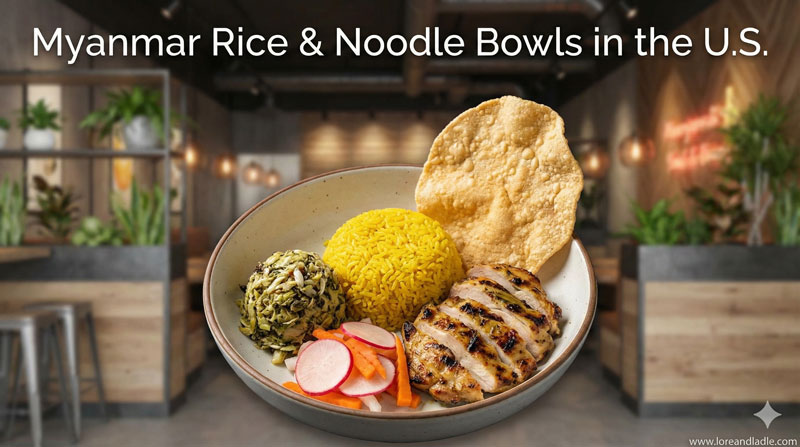
Flavorful Myanmar Rice & Noodle Bowls in the U.S. – Ideas with Simple Spices invites curious eaters to discover a dish that celebrates two pantry staples: rice and noodles. This bowl is a gentle lesson in harmony. It shows how Burmese flavors can shine with modest, everyday seasonings. The result is a comforting, flexible meal that respects tradition while welcoming modern kitchen rhythms.
The Heart of Burmese Flavor: Rice and Noodles
Rice and noodles stand at the core of Burmese cooking. In everyday meals, rice anchors the plate; noodles offer a pleasing chew and warmth. When these elements meet, they create a canvas for bright, subtle seasonings. The bowls gather textures—soft rice, springy noodles, crisp vegetables—into a single, satisfying bite. This pairing speaks to a practical elegance: simple ingredients working together to deliver depth without fuss. It is a reminder that nourishment can be both humble and beautiful.
Simple Spices, Rich Layers
The beauty of this dish lies in its spice balance. Simple ingredients carry complex flavors when used with care. A gentle crush of garlic and shallots releases aroma early in the process. A pinch of turmeric adds a warm glow and color. Chili brings a gentle heat, adjustable to taste. A splash of fish sauce or a light soy for savoriness, followed by a squeeze of lime, brightens the bowls with a clean, fresh finish. Fresh herbs, such as cilantro or mint, lift the dish and keep the profile vibrant. The result is a layered, approachable flavor that feels both familiar and new, depending on the touches you choose.
In the U.S. Kitchen: Adapting with Simple Spices
In American kitchens, these bowls can be prepared with everyday ingredients. Long-grain or jasmine rice can be cooked to fluffy perfection. Rice noodles, readily found in most markets, cook quickly and pair well with the same spice blend. The spice palette remains flexible: garlic, shallots, turmeric, chili, lime, and light soy or fish sauce are all common enough to source. Garnishes like cucumber ribbons, shredded lettuce, bean sprouts, toasted sesame seeds, or crushed peanuts add texture and color. This adaptability makes Flavorful Myanmar Rice & Noodle Bowls accessible to busy weeknights and leisurely Weekend Gatherings alike. The bowls invite cooks to trust simple flavors and shape bowls that fit their pantry and schedule.
Textures, Color, and Balance
Texture anchors the experience. The soft cushion of rice meets the chewy bite of noodles. Crisp-edged vegetables provide a refreshing contrast to the warm, savory base. Crunchy toppings—toasted nuts or seeds, fresh herbs, and even fried shallots—carry aroma and add surprise with every forkful. Color matters too: the golden hue from turmeric, the pale greens of herbs, and the pale ivory of perfectly cooked rice create an inviting plate. The goal is balance: a gentle sweetness from the vegetables, a sour lift from lime, a salty edge from fish sauce or soy, and a lingering warmth from spice. This balance mirrors a culinary philosophy that favors harmony over intensity, and clarity over complexity.
Cultural Value and Culinary Significance
Flavorful Myanmar Rice & Noodle Bowls hold cultural value as a warm expression of Burmese kitchen craft. They honor the careful layering of flavors that many Burmese cooks practice in daily meals. The bowls reveal how a few trusted ingredients can carry memory, craft, and care from kitchen to table. They are accessible representations of a regional palate that values freshness, balance, and comfort. In preparation and serving, the bowls invite sharing and conversation, reflecting a hospitality that welcomes others to the meal. The dish also highlights how traditional staples—rice and noodles—can partner in flexible forms, encouraging cooks to celebrate regional tastes through everyday cooking. In this way, the bowls become a small, meaningful bridge between home cooking and contemporary eating, preserving technique while inviting personal interpretation.
Plate, Pairings, and Enjoyment
Serving suggestions elevate the experience. Start with a warm base of rice and a nest of noodles. Layer in lightly blanched vegetables for brightness. Drizzle a simple, balanced sauce built from lime, fish sauce, and a touch of oil or broth. Finish with herbs and a sprinkle of nuts or seeds for crunch. The dish scales well for solo meals or larger gatherings. Pair with a crisp cucumber tea or a light green salad to complement the bowls without overpowering them. For a finishing touch, offer chili paste on the side and let each guest control the heat. The resulting plates feel thoughtful, inviting, and deeply satisfying.
Conclusion
Flavorful Myanmar Rice & Noodle Bowls in the U.S. – Ideas with Simple Spices celebrates a culinary approach that is generous and adaptable. By honoring the core elements of Burmese cooking—rice, noodles, and a light but expressive spice set—these bowls become more than food. They are a way to experience daily rhythm, seasonal produce, and the joy of sharing a comforting meal. With simple ingredients and clear technique, the bowls reveal how culture can be tasted in a single, bright bowl. Whether as a weeknight staple or a feature at a small gathering, these bowls offer warmth, texture, and a lasting invitation to explore Burmese flavors at Home.