
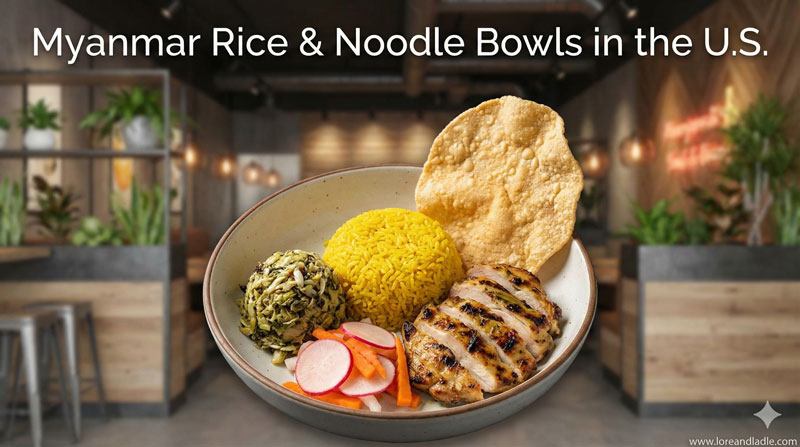
A Warm Welcome to Hearty Myanmar Rice & Noodle Bowls
This dish showcases the beauty of combining rice and noodles in one generous bowl. In Myanmar, meals centered on rice carry a sense of daily comfort and balance. in the United States, these bowls travel from bustling markets to cozy kitchens, inviting everyone to savor a harmony of textures and flavors. The dish speaks to cultural value through its adaptability, its mindfully layered ingredients, and the calm satisfaction each bite provides.
A Dish That Bridges Flavors and Textures
The appeal lies in contrast and balance. Soft grains of rice mingle with chewy noodles, while a savory broth circles the components like a hug in a bowl. Fresh herbs add brightness, vegetables bring color and crunch, and protein offers substance. The result is a one-plate experience that feels complete—from the first inhale of aroma to the last nourishing bite. This is cuisine that respects tradition while welcoming creativity in the kitchen.
Core Components: Rice, Noodles, and Broth
At the heart of the bowls are two reliable foundations: rice and rice noodles. Steamed jasmine or long-grain rice serves as a gentle, comforting base, while tender rice noodles weave through the dish, offering a pull with every forkful. A well-seasoned broth ties everything together, whether it’s a clear, comforting chicken broth or a bright vegetable stock. Add proteins such as chicken, tofu, or tempeh, and a selection of vegetables—thin carrot ribbons, leafy greens, bean sprouts, or sliced cucumbers—to build texture and color. Finish with lime, cilantro, or scallions to lift the flavors.
Techniques That Elevate the Experience
Simple techniques elevate these bowls from everyday meals to memorable experiences. Cook the rice and noodles separately to preserve their individual textures. Layer warm broth over the noodles just before serving to keep them tender without turning soggy. Lightly roast or sauté vegetables to deepen their sweetness, then toss in herbs at the end to keep their brightness intact. A sprinkle of fried onions or toasted sesame seeds adds a satisfying crunch. These careful steps honor the dish’s culinary rhythm: warmth, bite, aroma, and freshness in each bite.
Flavor Enhancers and Condiments
The flavor palette leans on balance and clarity. Soy sauce, fish sauce, or a touch of miso can amplify savoriness without overwhelming the dish. A squeeze of lime or a dash of tamarind gives brightness and tang. A hint of turmeric or curry powder can introduce warm, aromatic depth reminiscent of regional spice blends. Fresh chilies or chili oil invite gentle heat for those who crave it, while sesame oil offers a delicate toasty finish. Keep condiments on the side so each diner can tailor the intensity to their preference.
Cultural Value in U.S. Kitchens
In American kitchens, these Myanmar rice and noodle bowls resonate as a flexible, everyday meal. They invite cooks to source ingredients locally while honoring a national cuisine’s core ideas: balance, nourishment, and shared eating. The bowls adapt to different dietary needs—gluten-free options with tamari, plant-based proteins, or lean meats—without losing their essence. They support mindful eating by showcasing how simple ingredients can combine into a satisfying, well-rounded dish. The result is a comforting routine that nurtures both body and spirit.
Culinary Significance: Nutrition, Comfort, and Balance
Nutritionally, the bowls excel in balance. Carbohydrates come from both rice and noodles, offering steady energy. Protein from chicken, tofu, or legumes supports fullness. Vegetables supply fiber, vitamins, and color. The broth integrates hydration with savor, while herbs and citrus add aroma and brightness. This harmony of components makes the bowls a comforting, reliable choice for a meal that sustains you longer, especially on busy days. In culinary terms, the dish celebrates texture contrast, clean taste, and the joy of a well-constructed one-bowl meal.
Serving Ideas and Moments of Shared Enjoyment
These bowls invite inclusion and customization. Families can prepare a base station of cooked rice, noodles, broth, and protein, then set out a vibrant array of toppings: sliced greens, shredded carrots, bean sprouts, chopped herbs, lime wedges, and a light sprinkle of nuts or seeds. Friends and guests can tailor each bowl to their preferences, making mealtime interactive and warm. The dish also fits well with seasonal produce, letting cooks highlight what’s fresh—mint or basil in summer, cilantro and lime in winter-top meals. In any setting, the bowls foster a moment of connection around a comforting, flavorful meal.
A Conclusion: A Bright, Satisfying Tradition
Hearty Myanmar Rice & Noodle Bowls in the U.S. offer more than nourishment. They embody a culinary mindset that values balance, texture, and the joy of a well-composed plate. The dish respects Burmese culinary roots while inviting local adaptation, letting cooks celebrate both heritage and contemporary taste. With their generous portions, flexible ingredients, and satisfying depth, these bowls become a reliable choice for gatherings, weeknights, or a serene solo meal. In every bowl, you taste care, craft, and a shared love for good food.