
Introduction
This post introduces How to Pair Myanmar Rice & Noodle Bowls in the U.S. with Rice, Noodles, and Sides. The focus is on cultural value and culinary significance. These bowls showcase the bright balance of Burmese flavors and the versatility of everyday ingredients. In the U.S. kitchen, they invite curiosity, generosity, and a rhythm of shared meals.
What makes Myanmar Rice & Noodle Bowls special
Myanmar bowls center on harmony. A soft bed of rice or a springy ribbon of noodles welcomes a sauce full of aroma and depth. Fresh herbs, citrus, and roasted elements add lift without overpowering. The result is a comforting, adaptable meal that can reflect seasonality, regional tastes, and personal preferences. The bowls invite customization, turning cooking into a small, joyful ritual rather than a rigid recipe.
Core ingredients and techniques
Coconut milk, lemongrass, garlic, and shallots form a common backbone, creating creamy or lightly silky sauces. Turmeric and chili bring warmth and brightness. Fish sauce, salt, and lime balance the flavors with a savory-sour melody. Rice varieties such as jasmine or glutinous rice provide a gentle aroma, while rice noodles offer a chewy contrast. Fresh herbs like cilantro and mint, along with crisp vegetables, deliver color and texture. Each bite layers sweetness, sour notes, and a touch of heat, celebrating balance as a core value of the dish.
Flavor profiles and pairing principles
The flavor spectrum in these bowls ranges from creamy to bright, with spicy accents and herbal freshness. Pairing principles emphasize balance: mellow rice or noodles should meet a sauce that is savory and aromatic, then meet a crisp or crunchy element for contrast. Texture plays a starring role—soft grains, chewy noodles, and crunchy vegetables create a satisfying spectrum. Fresh acidity from lime or pickled vegetables can lift the dish, while nuts or seeds add gentle richness. In short, the bowls thrive when warmth, brightness, and texture dance together.
Practical pairings for rice bowls, noodle bowls, and sides
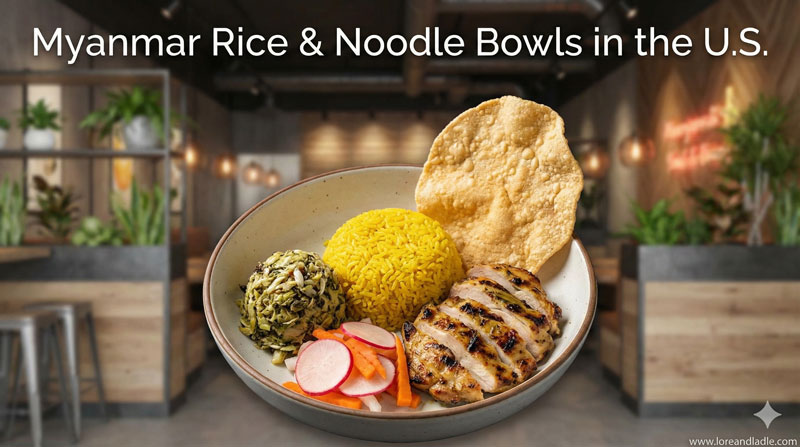
- Rice bowls: A coconut chicken curry pairs beautifully with steamed jasmine rice. Add a cucumber-tickle of pickled vegetables for crisp relief and a squeeze of lime to brighten the plate.
- Noodle bowls: A clear fish broth with rice noodles can be accented by bean sprouts, herbs, and a touch of chili oil. This setup highlights the gentle sweetness of the broth while keeping space for the noodles to shine.
- Sides and toppings: Crispy fried shallots, roasted peanuts, sesame seeds, and a small bowl of chili-garlic oil invite customization. A light herb salad or shredded cabbage with lime adds freshness. These elements turn a bowl into a complete, social dining experience.
Sides and condiments to complement the bowls
Sides enrich the meal with color, texture, and aroma. Think:
– Pickled vegetables for tang and crunch.
– Crunchy onion or garlic toppings that provide warmth.
– Nutty sesame or crushed peanuts for a gentle contrast.
– Fresh lime wedges and chopped herbs to finish at the table.
– A mild chili oil or amber-yellow peanut sauce for gradual heat.
These options encourage conversation at the table and allow each guest to tailor the experience.
Serving in the U.S.: a culinary bridge
In the U.S., these bowls serve as a bridge between everyday cooking and international flavors. They invite Home Cooks to explore Burmese ingredients like lemongrass, turmeric, and fish sauce in approachable ways. Markets, farmers’ stalls, and online shops make it easier to find fresh herbs and pantry staples. By presenting the bowls with care—layering colors, textures, and aromas—hosts celebrate hospitality and the beauty of shared meals. The result is a dining moment that honors craft, seasonality, and the joy of discovery.
Cultural value and culinary significance
These bowls embody everyday Burmese kitchen culture: practical methods, generous flavor, and a spirit of sharing. They honor the idea that a meal can be both comforting and exciting, a small ritual that brings people together. The act of pairing—choosing rice or noodles, selecting sides, and inviting guests to customize—highlights a communal approach to food. The colorful bowls tell stories of herbs, spices, and balance, inviting cooks to slow down, taste deeply, and celebrate the generosity of ingredients. And because the bowls adapt to local ingredients, they showcase how tradition can thrive in new settings without losing its heart.
Tips for home chefs
- Start with a simple base sauce and build flavor gradually.
- Choose a rice or noodle option that matches your preferred texture.
- Prepare a small assortment of sides and toppings to offer variety at the table.
- Use fresh herbs toward the end of cooking to preserve brightness.
- Taste and adjust with lime, salt, and a touch of sweetness to reach harmony.
Conclusion
How to Pair Myanmar Rice & Noodle Bowls in the U.S. with Rice, Noodles, and Sides invites us to savor cultural richness through everyday cooking. The bowls honor Burmese flavors while welcoming American ingredients and kitchens. They celebrate balance, texture, and the joy of sharing meals with warmth and respect. In every bowl, we find a quiet, inviting story of culinary craftsmanship and community.